Chinese Snuff Bottle Glossary
The vocabulary of Chinese snuff bottles spans mineralogy, court history, workshop technique, and the coded language of dealers and auction catalogs. This glossary gathers the terms a collector or scholar is most likely to meet, from materials and carving methods to the connoisseurship vocabulary rarely defined in print, along with the motifs and symbols that carry meaning across every medium. Chinese terms are given with characters, pinyin, and the Wade-Giles romanization found in older literature, so a reader can move between a 1970s Journal article and a current auction catalog without losing the thread. Entries are cross-referenced, and many link to related articles from the Journal of the International Chinese Snuff Bottle Society. Browse by category, search, or jump by letter.
These terms were defined by a language model working from more than fifty years of ICSBS Journal scholarship. Corrections and additions are welcome at office@snuffbottlesociety.org.
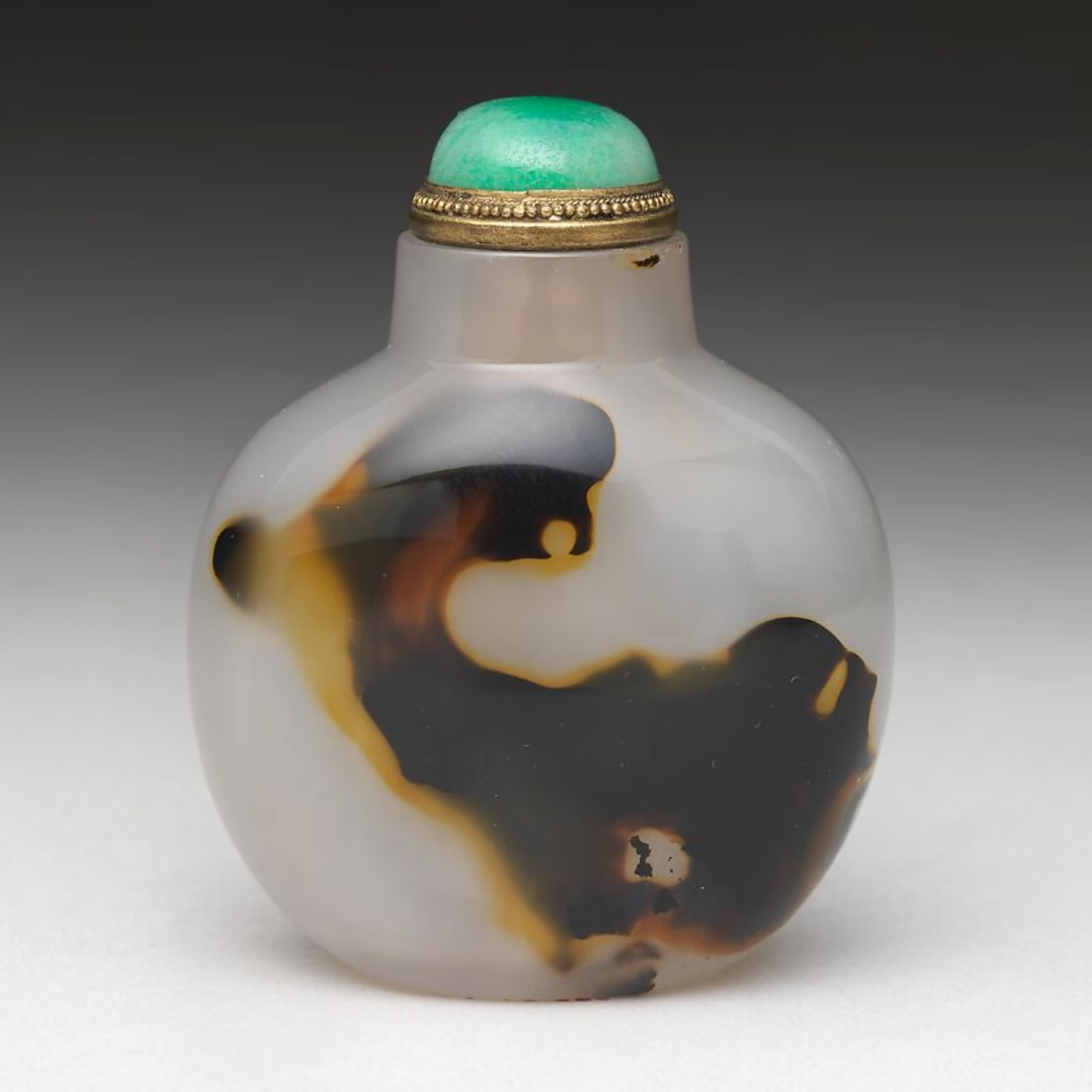
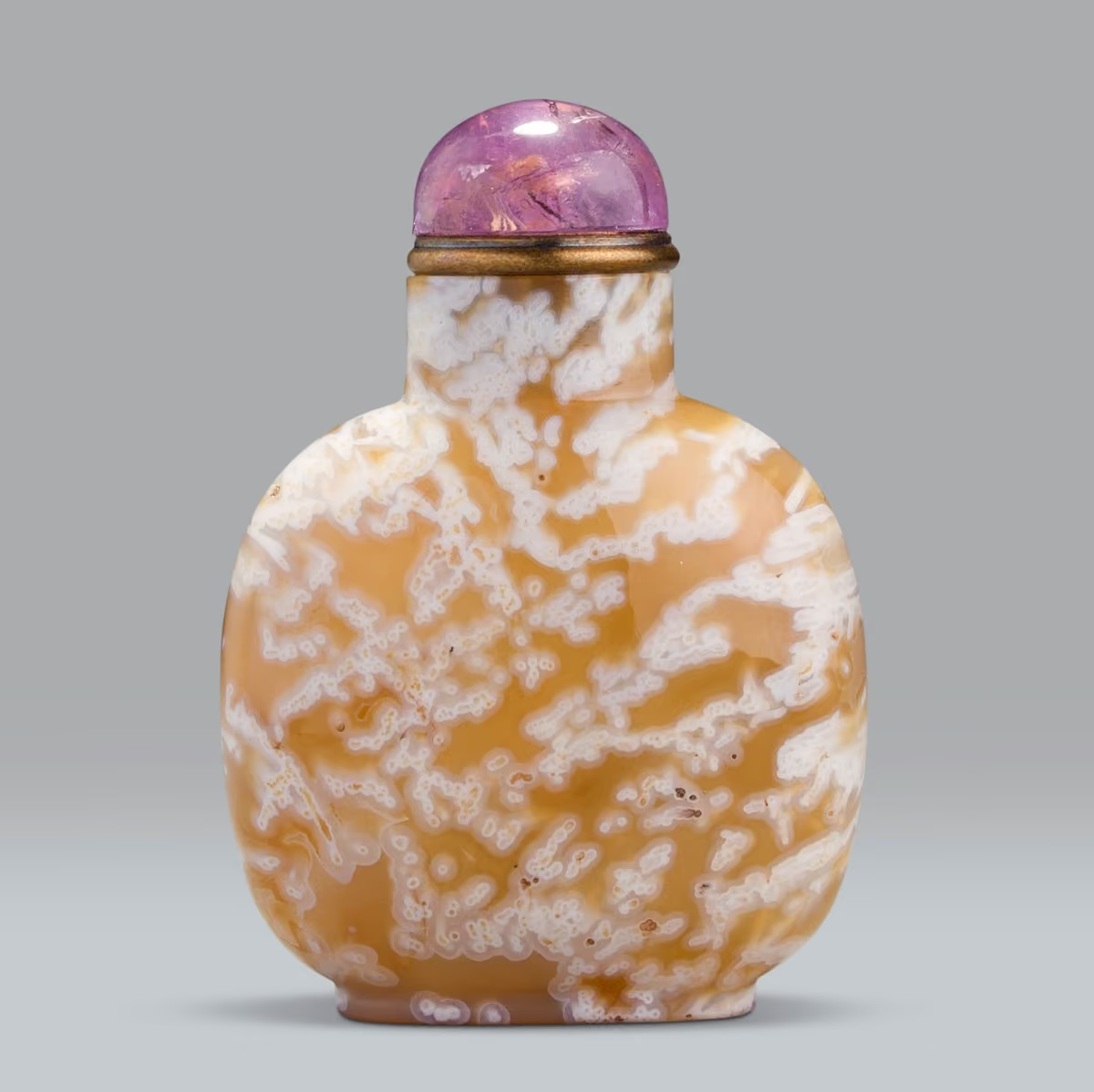
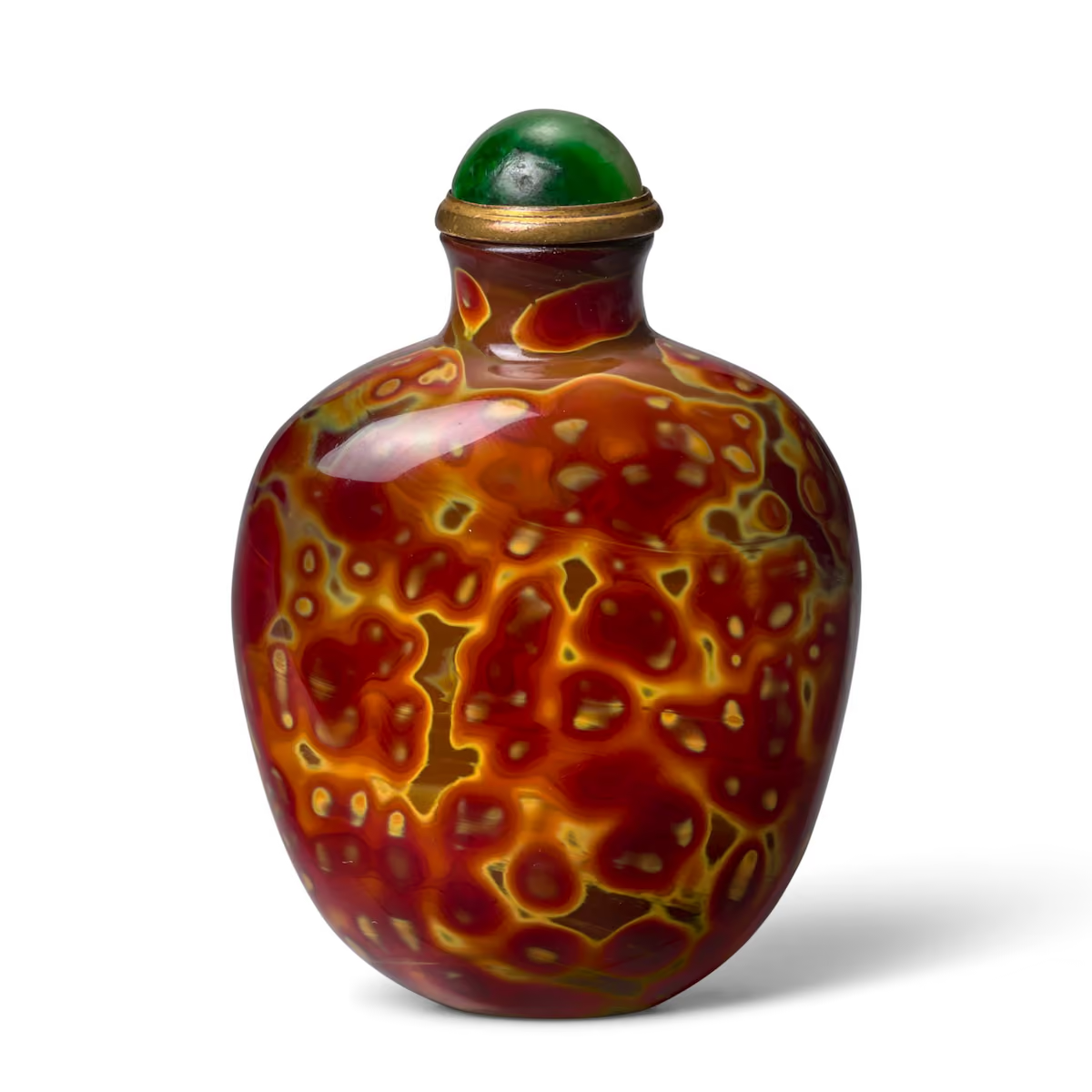
Agate is a type of chalcedony characterized by its pattern of curved bands, which can vary in color and opacity. This banding is essential to its classification as true agate. However, the term "agate" is often used loosely to refer to chalcedony in many forms, not just those with banding. Agate has been worked for snuff bottles in enormous quantities from the eighteenth century onward. The banding and included material provide carvers with ready-made grounds for cameo and silhouette work. Varieties sometimes collected under their own names include macaroni agate, thumbprint agate, and moss agate with dendritic inclusions. Regional differences in terminology exist, with variations between American and English usage. Agate is part of the cryptocrystalline or microcrystalline quartz group, which includes chalcedony.
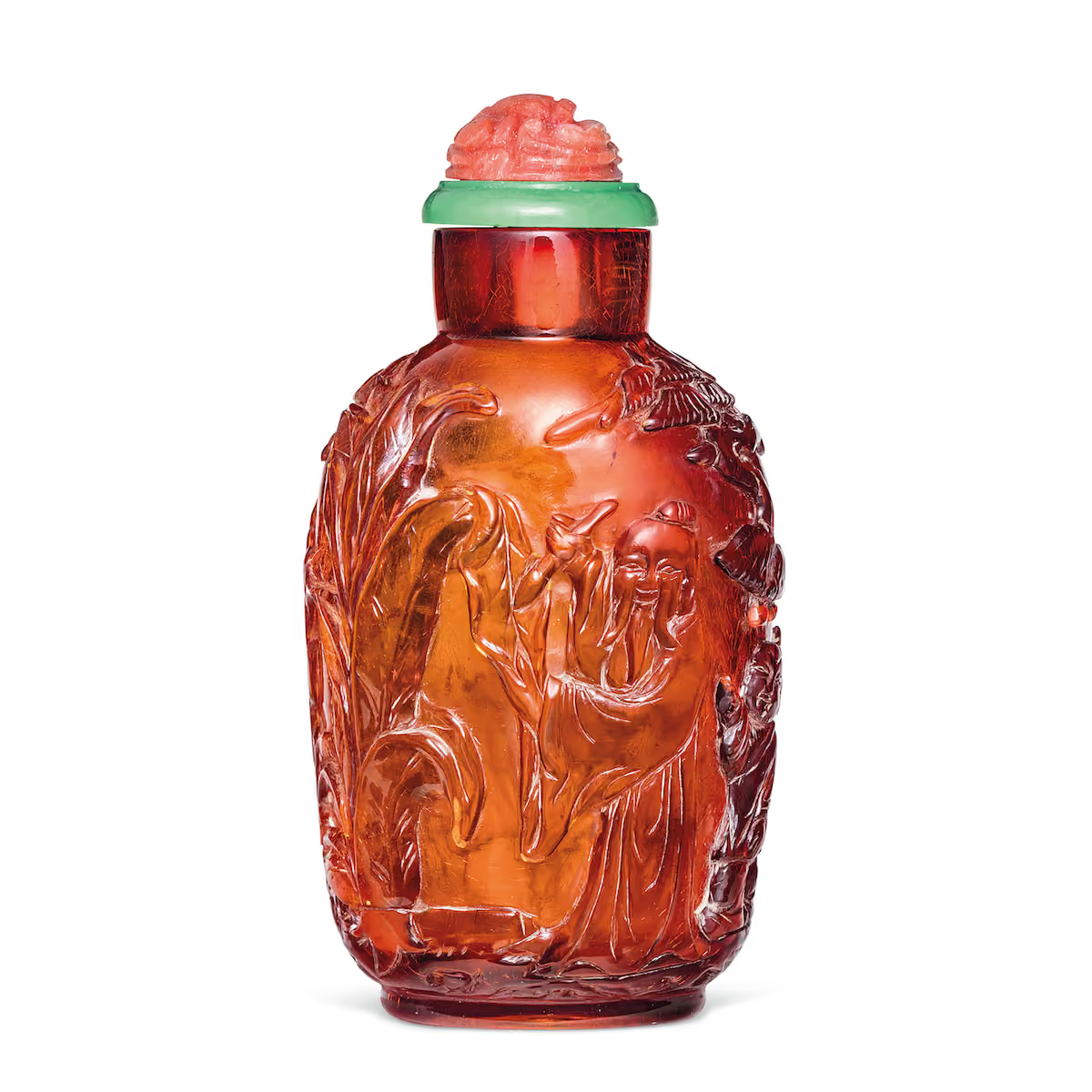
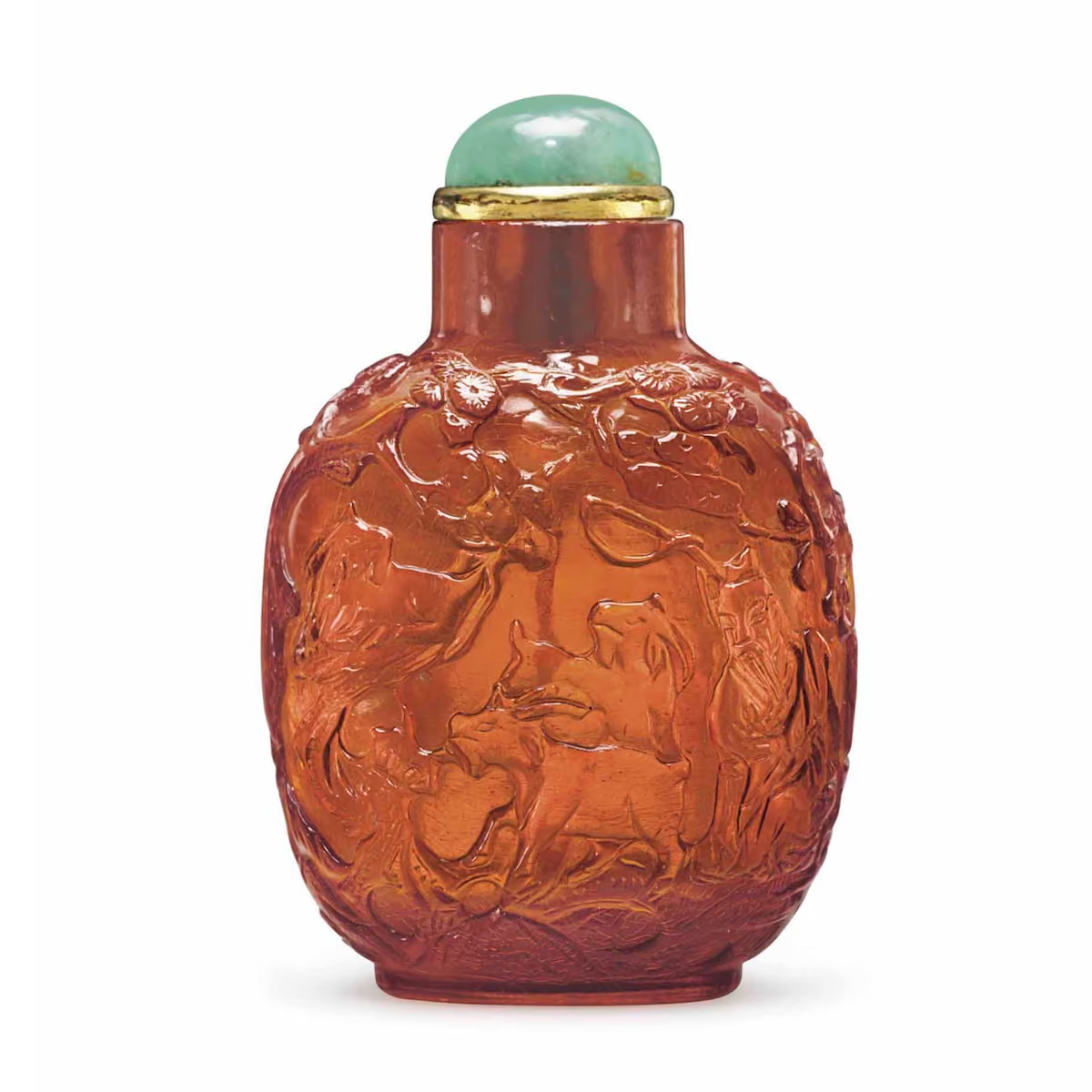
Amber is fossilized plant resin, originating from coniferous trees in prehistoric forests and found worldwide. Significant sources include the Baltic Sea region, known for typically opaque yellow amber, and Burma (Myanmar), known for transparent or translucent reddish-brown amber. Amber is valued for its natural beauty and cultural significance, often associated with courage and protective properties in Chinese culture. Varieties encountered in snuff bottles include clear golden amber, root amber with swirled opaque inclusions, and pressed composite ambers. It is important to identify reconstituted amber and plastic imitations, as these are distinct from natural amber.
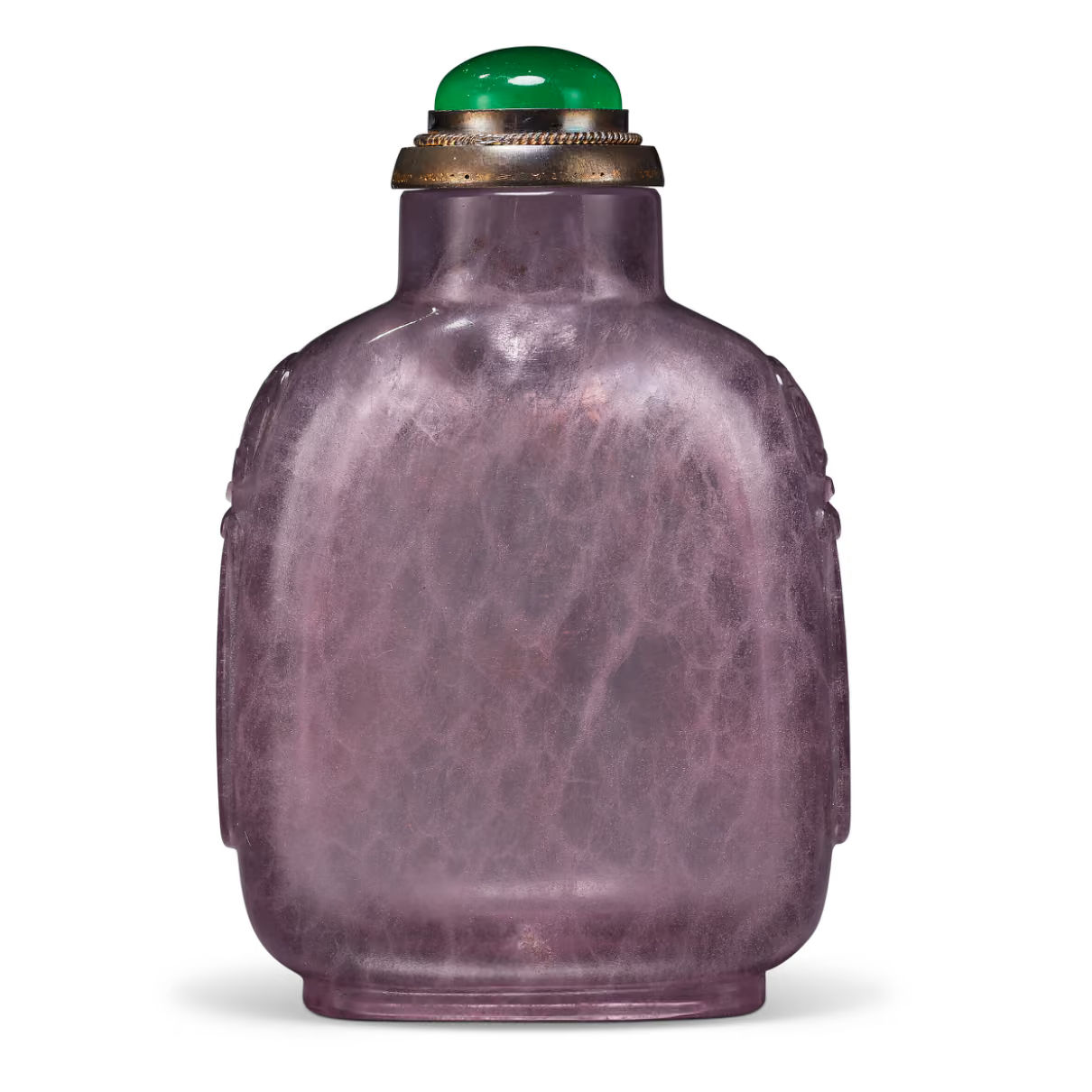
Amethyst is a type of purple crystalline quartz, with colors ranging from pale lilac to deep violet, including reddish to bluish shades. This variation in color is due to a tiny amount of iron within the quartz. Amethyst often appears mottled or unevenly zoned, with bands or blotches of dark and light purple. Carvers frequently position the strongest color at the base or within relief elements to enhance the visual appeal. Amethyst is sourced from a wide range of geographic locations, including Brazil, Uruguay, Hungary, Mexico, Namibia, Zambia, India, the Soviet Union, and the United States. It is important to note that amethyst can fade or change color when exposed to heat or bright light, which is a consideration for preservation. Chinese sources and Cantonese trade material have historically supplied the craft, contributing to its use in snuff bottles. Historically, amethyst was believed to be a charm against intoxication. In Chinese culture, it is associated with sincerity and peacefulness, adding symbolic significance to its use in art and decoration.
A reign mark of an earlier period applied to a later object, commonly found on 19th and 20th-century snuff bottles. While Qianlong marks are the most frequent, apocryphal marks can also include those from other Qing emperors or even earlier Ming periods. These marks serve various purposes: they can be an homage to the artistry of earlier times, a commercial strategy to enhance appeal, or simply a stylistic choice. They are not inherently deceitful but can mislead collectors who interpret them as definitive indicators of age. Apocryphal marks appear on a range of materials, including porcelain, glass, and metal, reflecting the diverse practices of later artisans.
The term "attributed to" is used in cataloging to express a strong but unproven opinion regarding the origin or creator of an object. It suggests a likely connection to a particular artist, workshop, or location, but without definitive proof. This term is part of a hierarchy of certainty in authorship attribution: "by the artist" asserts autograph work, while "attributed to" indicates a strong but unconfirmed belief. Further down the hierarchy are terms like "school of," "manner of," and "after," which denote decreasing levels of confidence. Understanding these distinctions is essential for interpreting estimates and results.
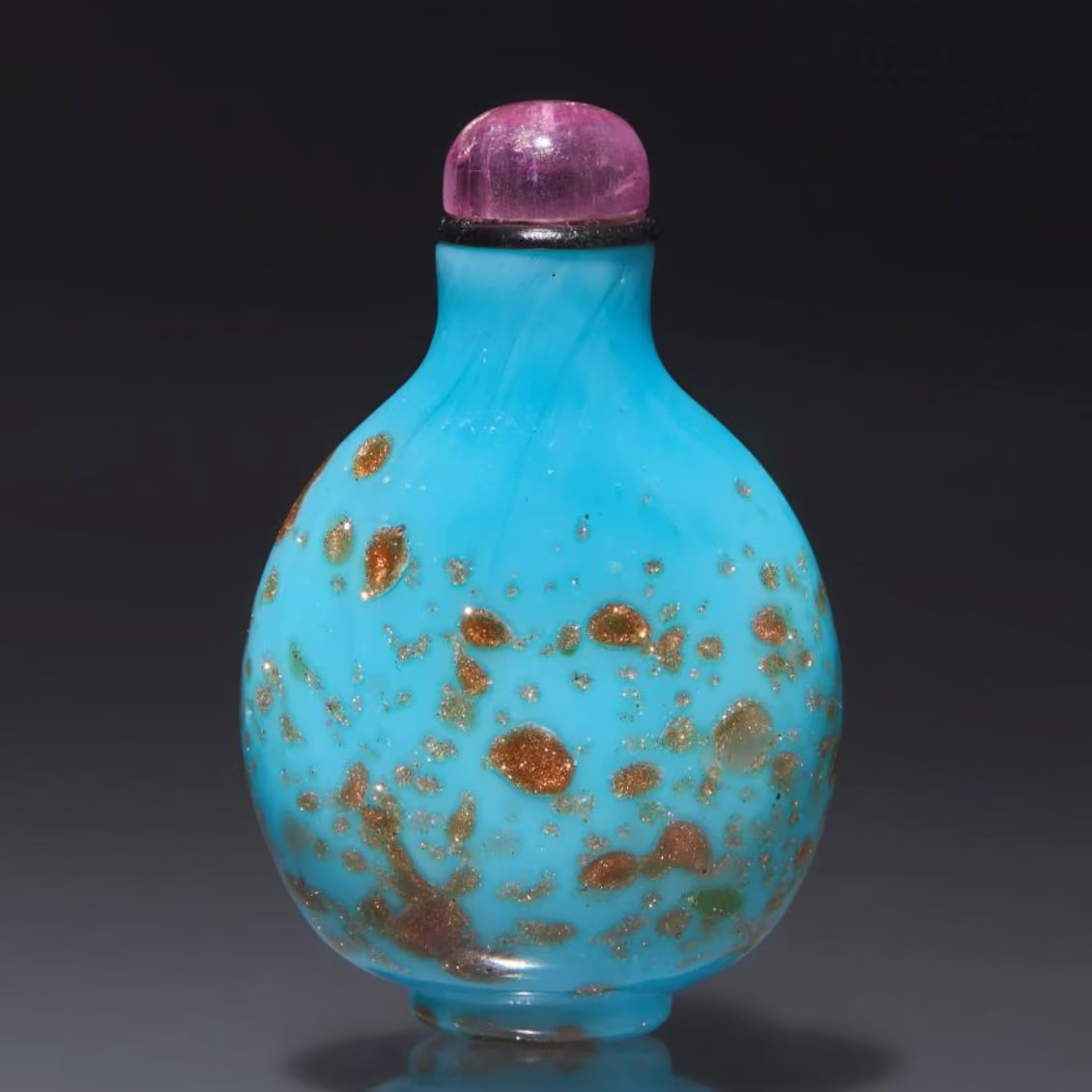
Aventurine glass, also known as "golden-star glass" or "gold-star glass" in Chinese contexts, is a type of glass suffused with sparkling copper crystals, originally invented by Venetian glassmakers on the island of Murano. This glass was later imitated by Chinese glasshouses, particularly during the Qing dynasty. It features gold flecking interspersed within the glass, creating a shimmering effect. Aventurine glass was used for whole snuff bottles and as inclusions or panels within other glass objects. In China, it became a significant material in the imperial glass workshops, with its production influenced by Western techniques introduced by Jesuit missionaries. The glass was notably used in the Qianlong period for snuff bottles, which were often presented as gifts at the imperial court. The Chinese name for aventurine glass translates to "gold star glass," and it is often paired in collections with its natural counterpart, aventurine quartz.
Baltic amber is a type of amber characterized by its opaque yellow color. It is the fossilized resin of coniferous trees from prehistoric forests. Snuff bottle collectors distinguish it from other types of amber, such as Burmese amber, which is transparent or translucent reddish brown, and root amber, which has patches of rich, opaque brown or ochre yellow. Baltic amber is often associated with the soul of a tiger in Chinese culture, symbolizing courage.
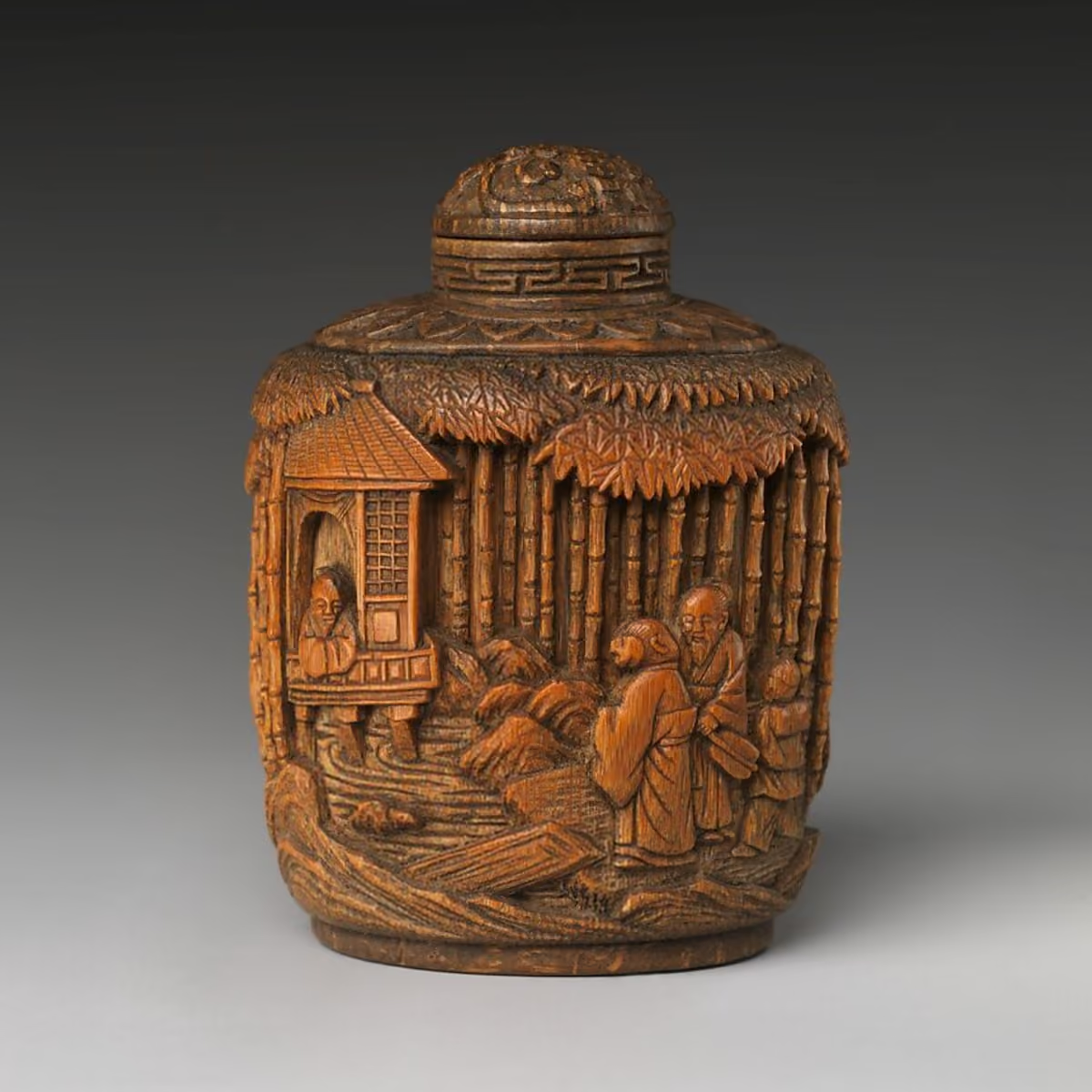
Bamboo is a material highly valued in Chinese culture for its aesthetic and intellectual symbolism, often associated with scholarly taste and the literati. It is prominently featured in motifs such as the "Three Friends of Winter" alongside pine and prunus, symbolizing resilience and integrity. Bamboo veneer, or zhuhuang, became popular in the 19th century, characterized by low relief and linear engraving. Bamboo is also linked to the "Seven Sages of the Bamboo Grove," representing a spirit of intellectual and cultural refinement. While bamboo is worked as carved culm and veneer, its significance lies more in its symbolic associations than in imitating materials like ivory.
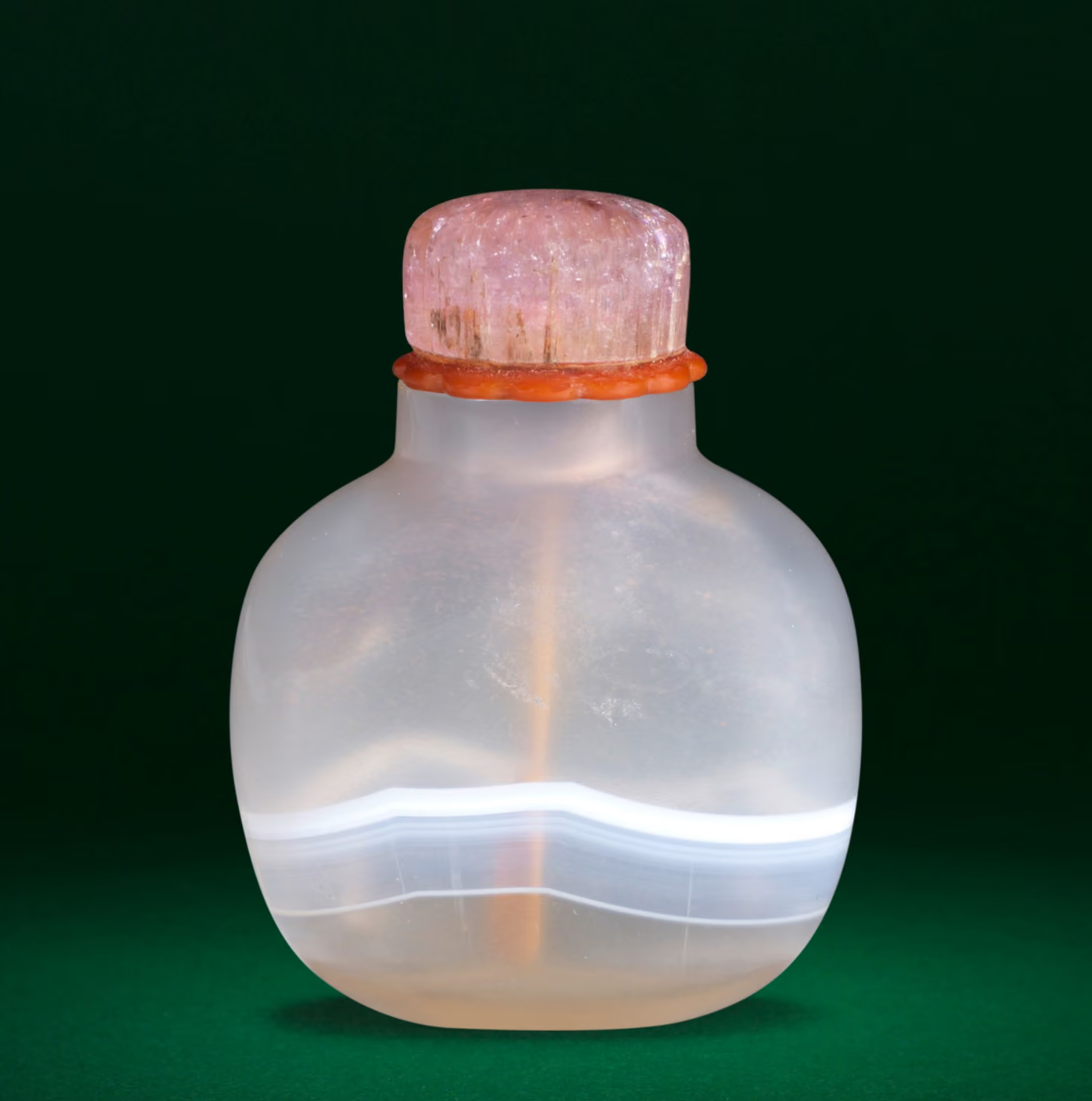
Banded agate is a type of chalcedony characterized by its distinct layered bands of color, which can include combinations of light and dark gray, cream, red, and brown. These bands are creatively utilized in the design of snuff bottles, often carved into decorative motifs such as lotus blossoms and insects, or used to mimic features like a sash around the waist of the bottle. The artistic use of these natural bands enhances the aesthetic appeal of the bottles.
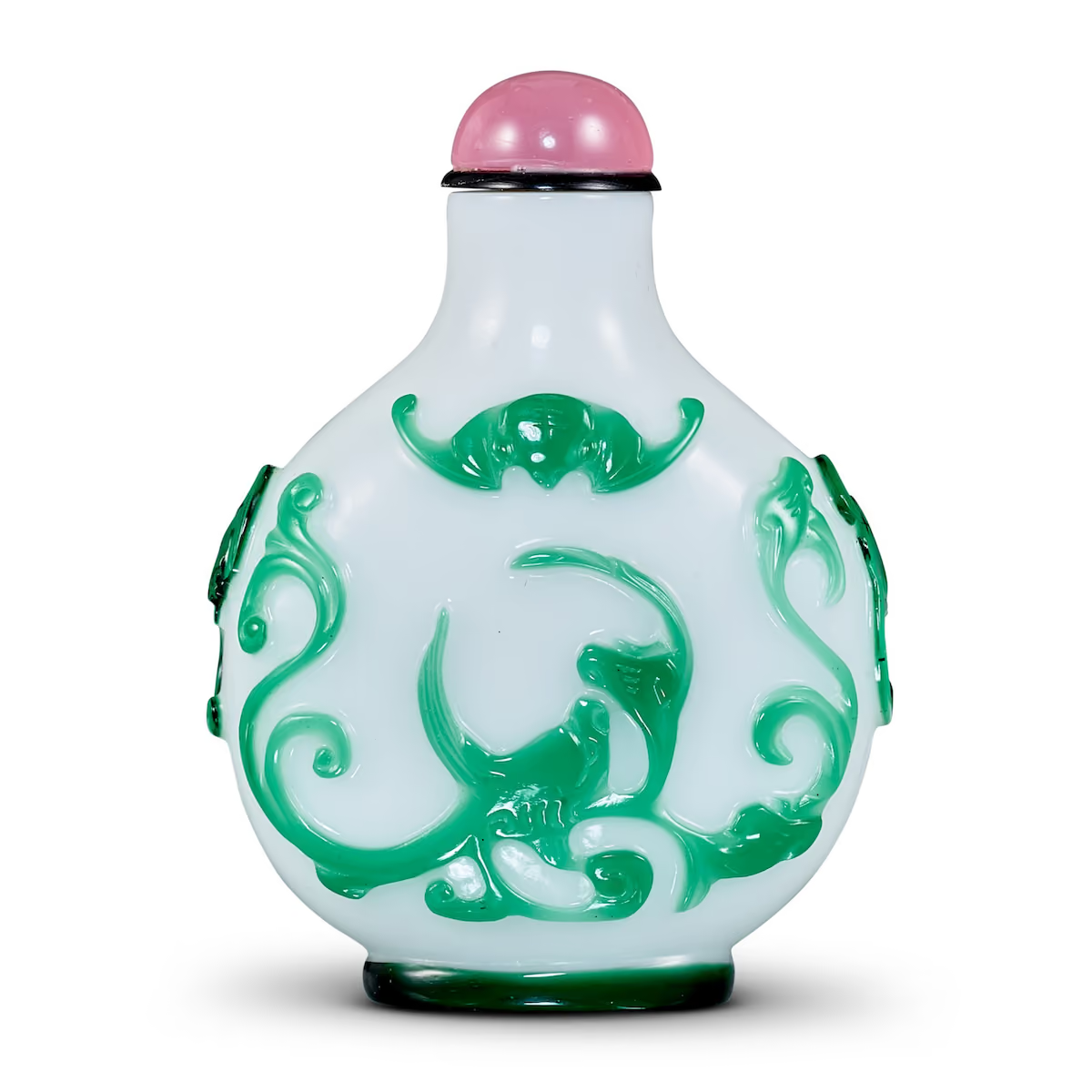
The bat is a common auspicious motif in Chinese art, particularly in snuff bottles, due to its punning on "fu" (蝠), which sounds like "happiness" or "blessings" (福) in Chinese. Five bats together form the wufu (五蝠), representing the Five Blessings: longevity, wealth, health, love of virtue, and a peaceful death. Red bats double the pun, "hongfu," signifying vast happiness. Bats are often depicted in combination with other symbols to convey complex auspicious messages. For example, a bat with a peach symbolizes "happiness and long life," while a bat with a coin means "happiness before your eyes." These combinations reflect the broader cultural practice of using rebuses and symbolic language in Chinese art to express wishes for good fortune and other blessings.
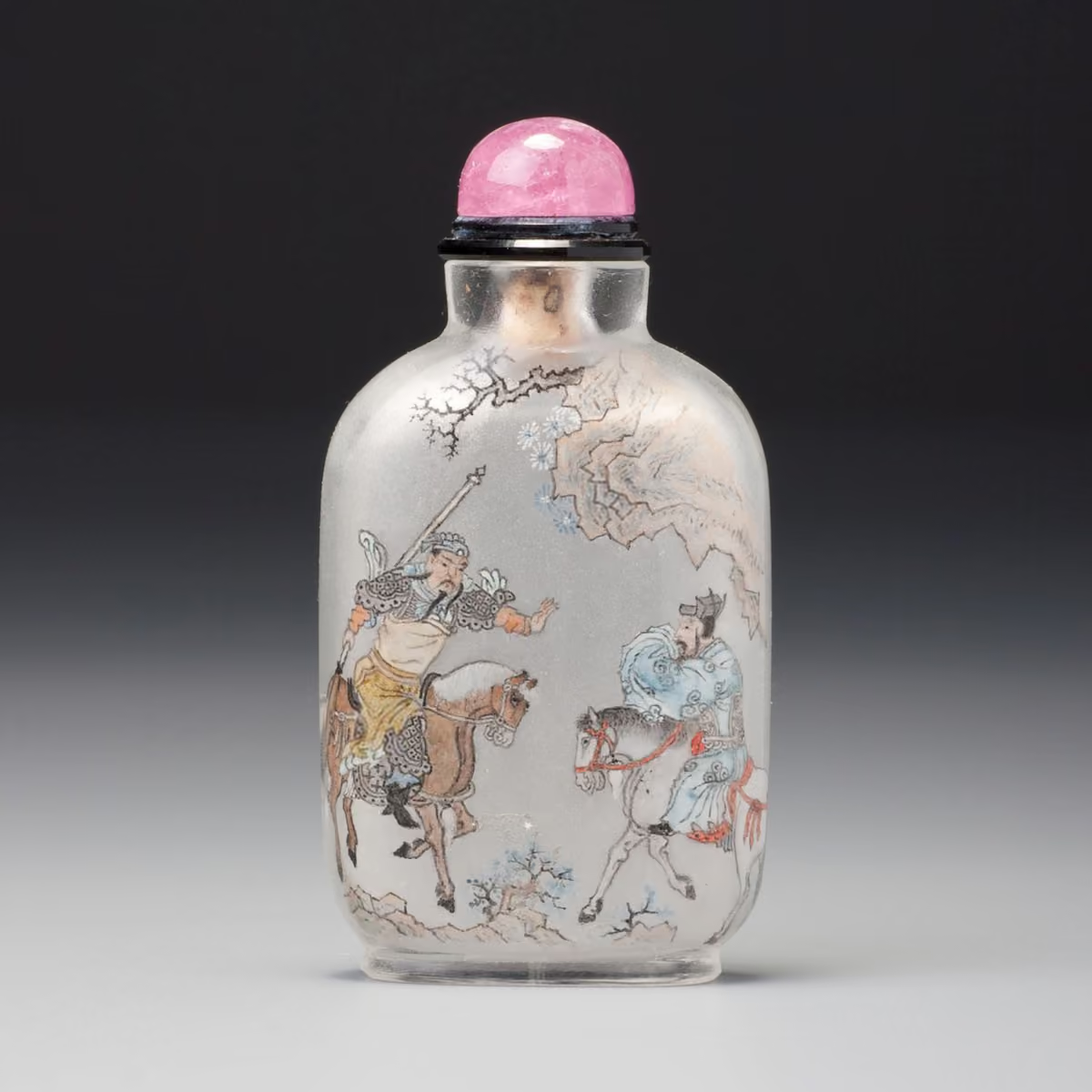
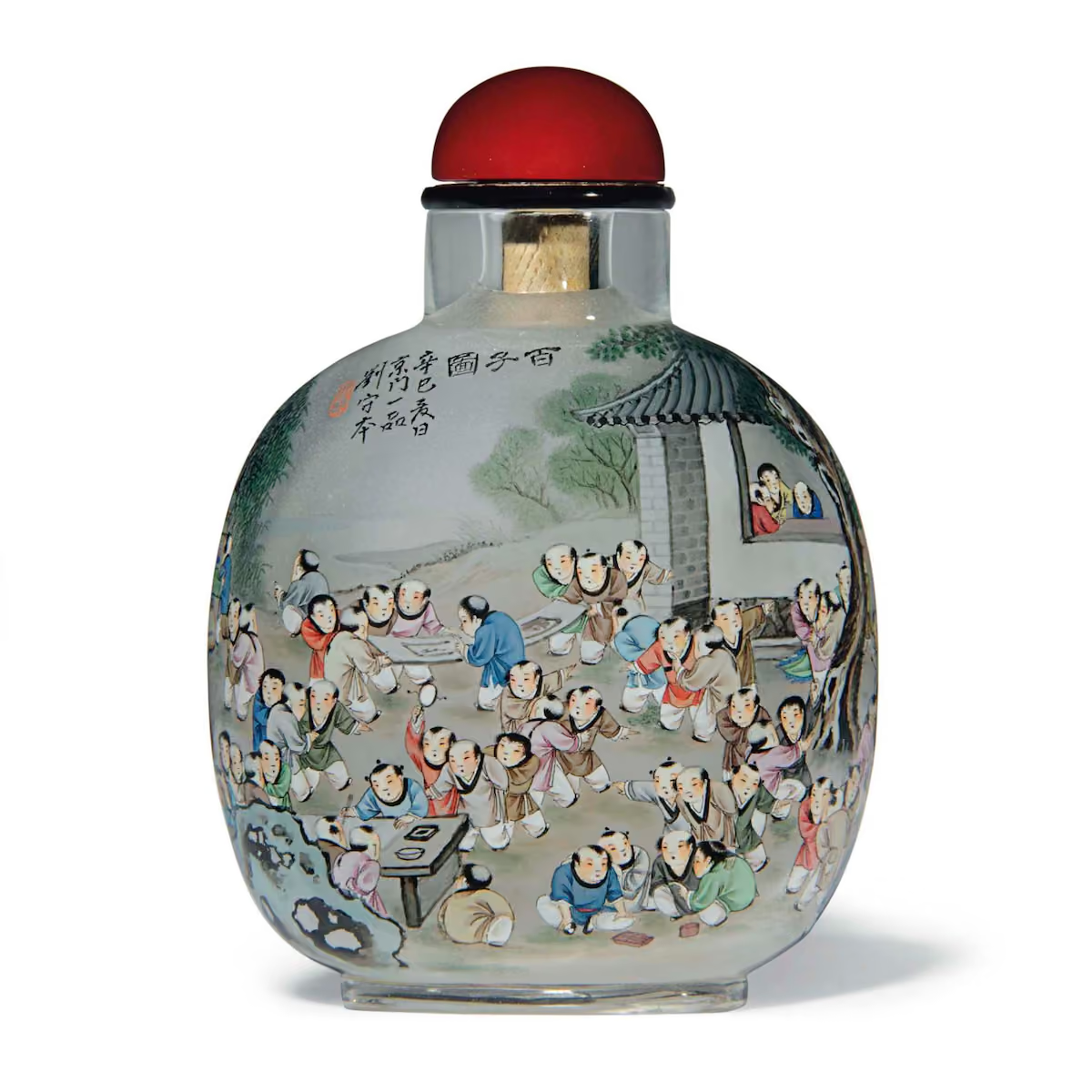
The Beijing School of inside painting on snuff bottles originated with Zhou Leyuan in the 1880s. Zhou Leyuan's work initiated a renaissance in the art form, establishing high standards for inside painting. This school is characterized by refined landscape, calligraphy, and portrait work. Key figures include Ma Shaoxuan, Ding Erzhong, and the Ye family of the Apricot Grove Studio. The Beijing School became a dominant force in the art form, evolving over time to include modern artists like Liu Shouben, who have preserved traditional elements while developing new styles. The school is noted for its commercial success, with many artists producing works for the market. Attribution often rests on signature, seal, and dated inscription. The Ye family played a significant role in the modern development of the school, and the influence of the Orthodox School is evident in the work of artists like Ding Erzhong.
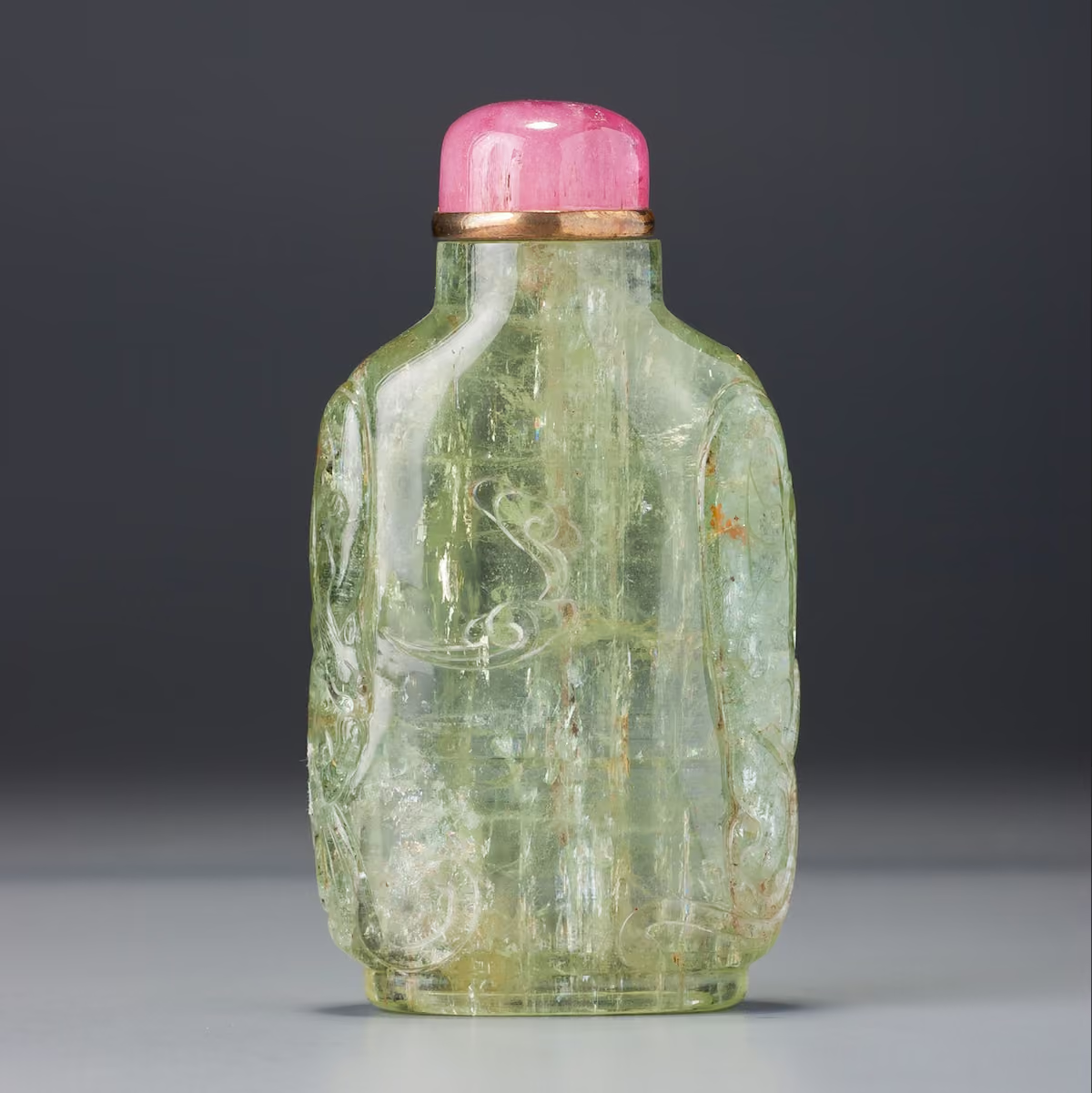
A gem mineral family that includes several color varieties such as aquamarine (blue), emerald (green), morganite (pink), heliodor or golden beryl (yellow), and goshenite (colorless). Beryl was occasionally used for snuff bottles in the later Qing period. The crystals are typically long hexagonal prisms, resulting in bottles that are often narrow and tall when cut from single crystals. Emerald, a variety of beryl, commonly contains inclusions and internal fractures, giving it a translucent or cloudy appearance, while other gem beryls are usually relatively free of inclusions. The Journal does not specifically mention the practice of faceting transparent beryl or carving flawed material to disguise inclusions, although it notes the typical form and appearance of beryl crystals.
Bixi is a mythological creature in Chinese culture, often depicted as a hybrid between a tortoise and a dragon. It is one of the nine sons of the Dragon King, characterized by the carapace of a tortoise, the paws of a lion, and the head of a qilin. This creature symbolizes strength, endurance, and authority, making it a popular motif in Chinese art, including snuff bottles. Bixi forms are often crafted from white nephrite jade, featuring intricate carvings such as hexagonal patterns on the carapace and are associated with imperial workshops.

Bone is a material used as an inexpensive substitute for ivory in snuff bottles, spoons, and stopper fittings. It is distinguished from ivory by the absence of crossing Schreger lines and the presence of fine dark pores from blood vessels, as well as a honeycomb appearance in cross-section due to the Haversian system. Bone undergoes processes such as sterilization, drying, and bleaching, and its appearance can vary from lackluster to shiny depending on the animal's body fat content. Historically, bone has been significant in contexts such as oracle bone writing from the Shang dynasty.
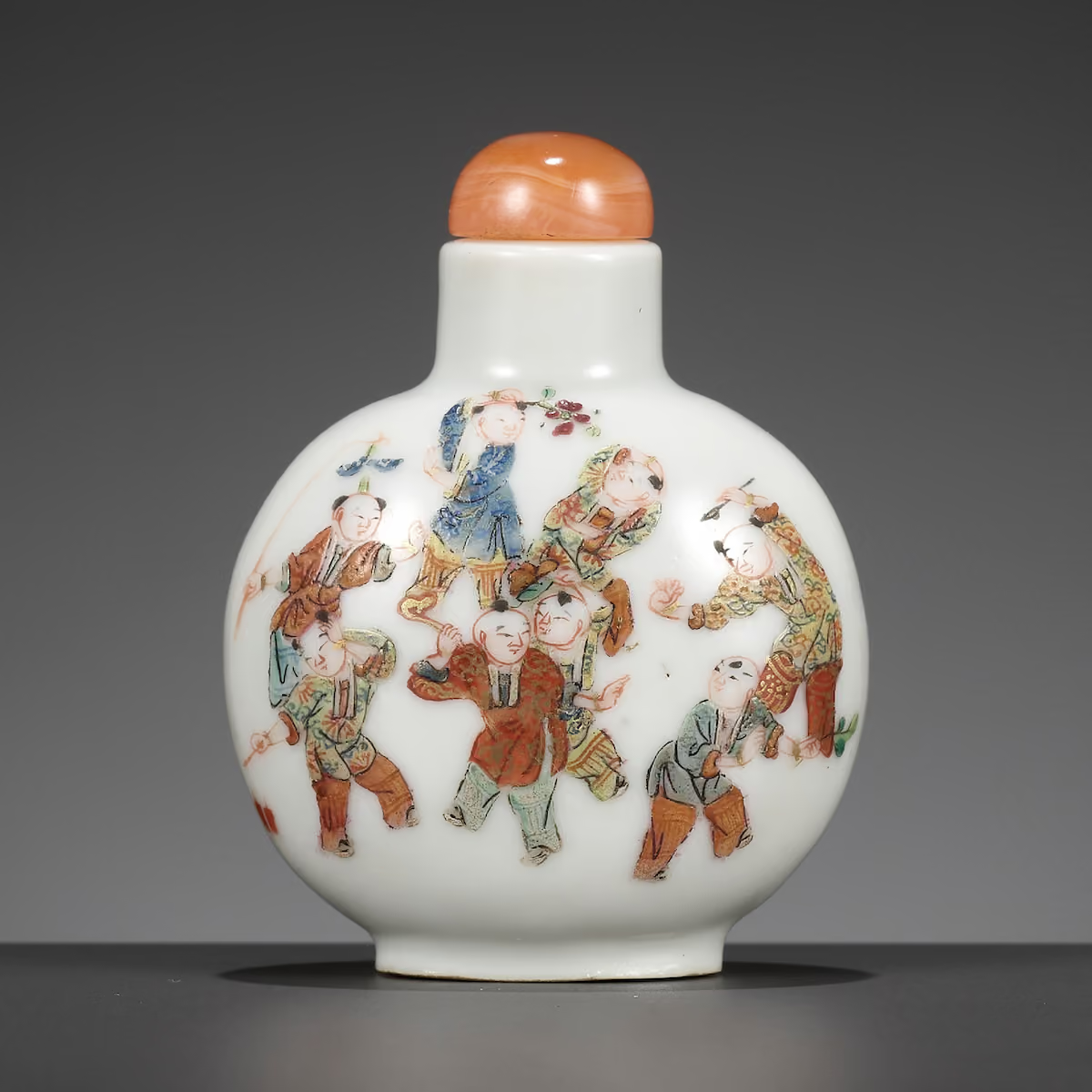
A motif in Chinese art depicting crowds of boys engaged in games and activities, symbolizing wishes for abundant sons and family prosperity. Commonly found in famille rose porcelain bottles and inside-painted work, this theme includes scenes of boys playing games like blindman's bluff and ring around the rosie, studying, or celebrating festivals. The count of boys is symbolic, the mood joyous, and the wish for harmony and abundance unambiguous.
A bruise in the context of snuff bottles is an internal flaw, often appearing as a cloud-like fracture within the material, visible as a whitish mark. It is noted in condition reports, such as in a crystal bottle by Ma Shaoxuan, where an "internal bruise" is described.
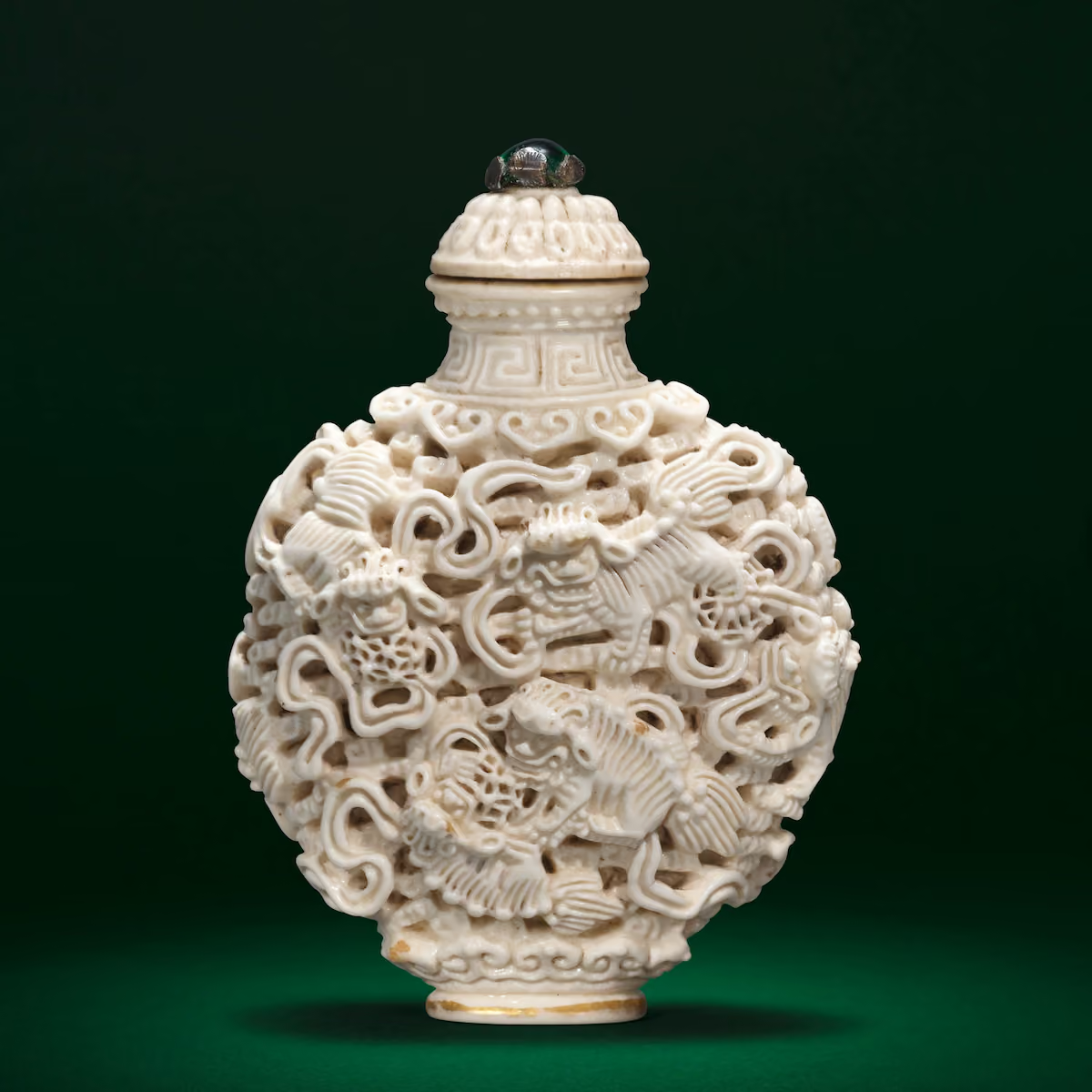
A mythical creature depicted in Chinese art and snuff bottles, often shown with a brocaded ball. It is distinct from the Japanese shishi, featuring a less muscular body and simpler tail. The Buddhist lion is associated with the protective fo dog, a cross between a Buddhist lion and a Pekinese dog, and is a popular motif in decorative arts.
Burmese amber, or Burmite, is amber from Burma, highly valued for its clear red color and the soft, warm feel it provides, contrasting with the hard coldness of jade. It is more prized than the yellow varieties of amber imported from Northern Europe. Historically, burmite has been appreciated for its fine coloring, though it has also been subject to counterfeiting issues. The Journal does not confirm claims about its hardness or carving qualities compared to Baltic amber.
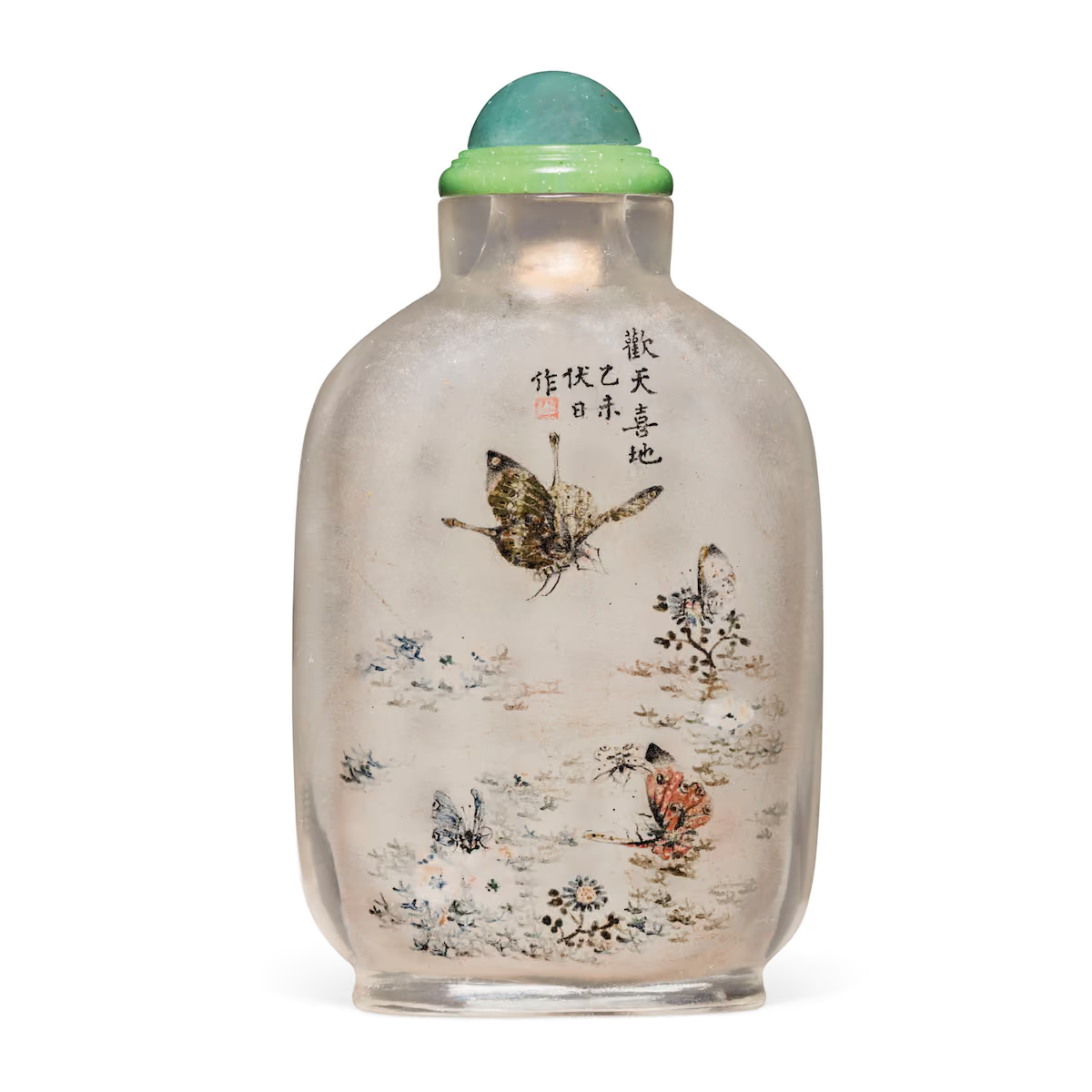
Butterflies are emblematic of long life, often depicted alongside motifs such as a cat, which together symbolize the wish for a long life of 70 to 80 years. This symbolism arises from the Chinese pronunciation of "cat" and "butterfly," which resembles the words for "advanced in years." The butterfly motif is also significant in literati painting traditions, reflecting artistic and cultural values. The Journal does not confirm associations with conjugal happiness or wedding bottles.
A cabochon is a domed and polished stone, often without facets, used as the visible element of a snuff bottle stopper. It is typically crafted from materials such as coral, jadeite, glass, or tourmaline and can be set directly onto a collar or incorporated into more intricate stopper designs. The suitability of a cabochon is assessed based on its proportion to the bottle neck and the quality of its polish.
Calligraphy in the context of Chinese snuff bottles is the art of writing as decoration, whether painted inside a bottle, engraved on crystal, or carved in relief. It is judged by brush character, spacing, and the suitability of the script chosen, often carrying the artist's signature and date on inside-painted bottles. Beyond decoration, calligraphy is a noble art practiced by scholars as a spiritual exercise to express inner feelings, often integrated with poetry and painting. The practice includes copying rubbings of famous steles, preserving the original characters and styles.
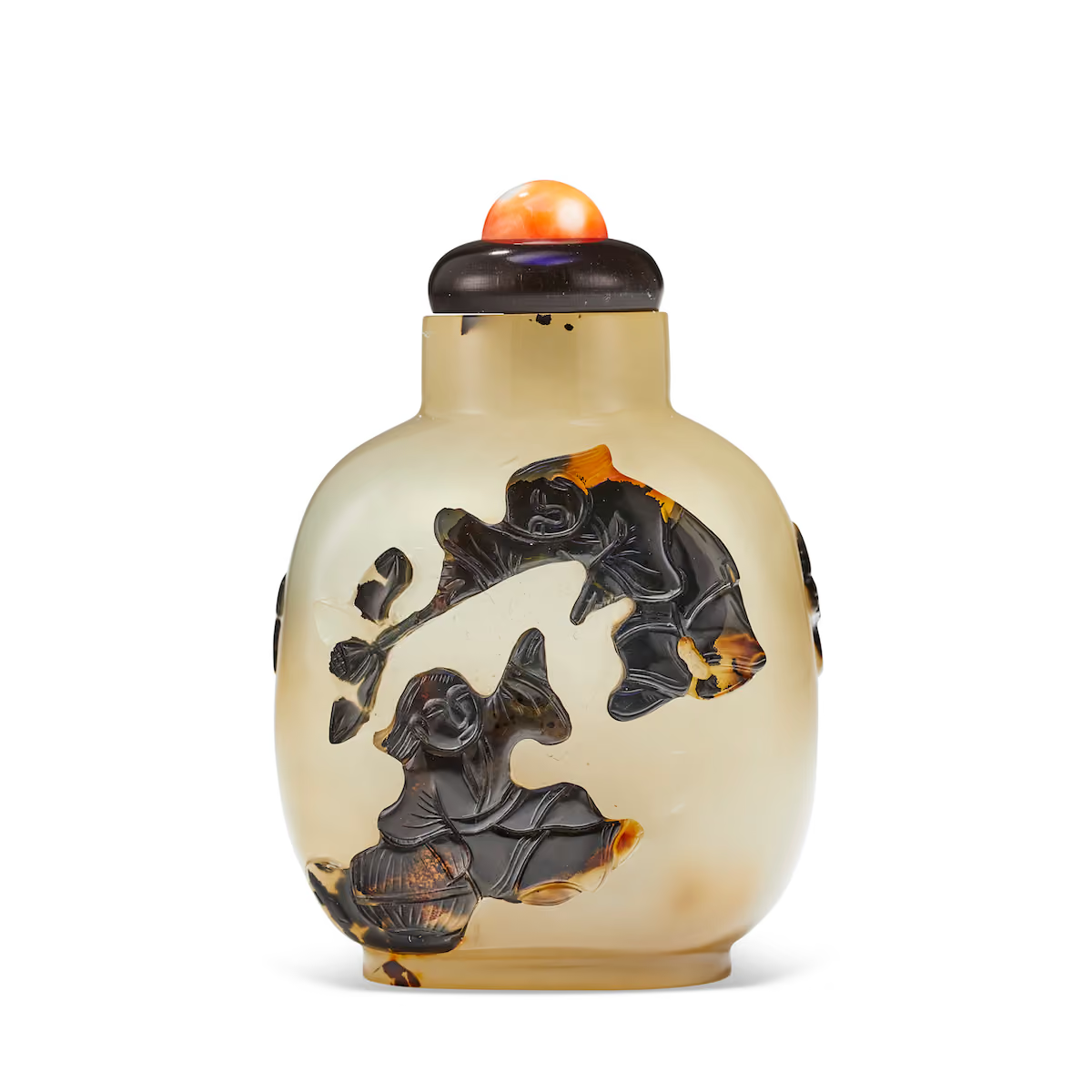
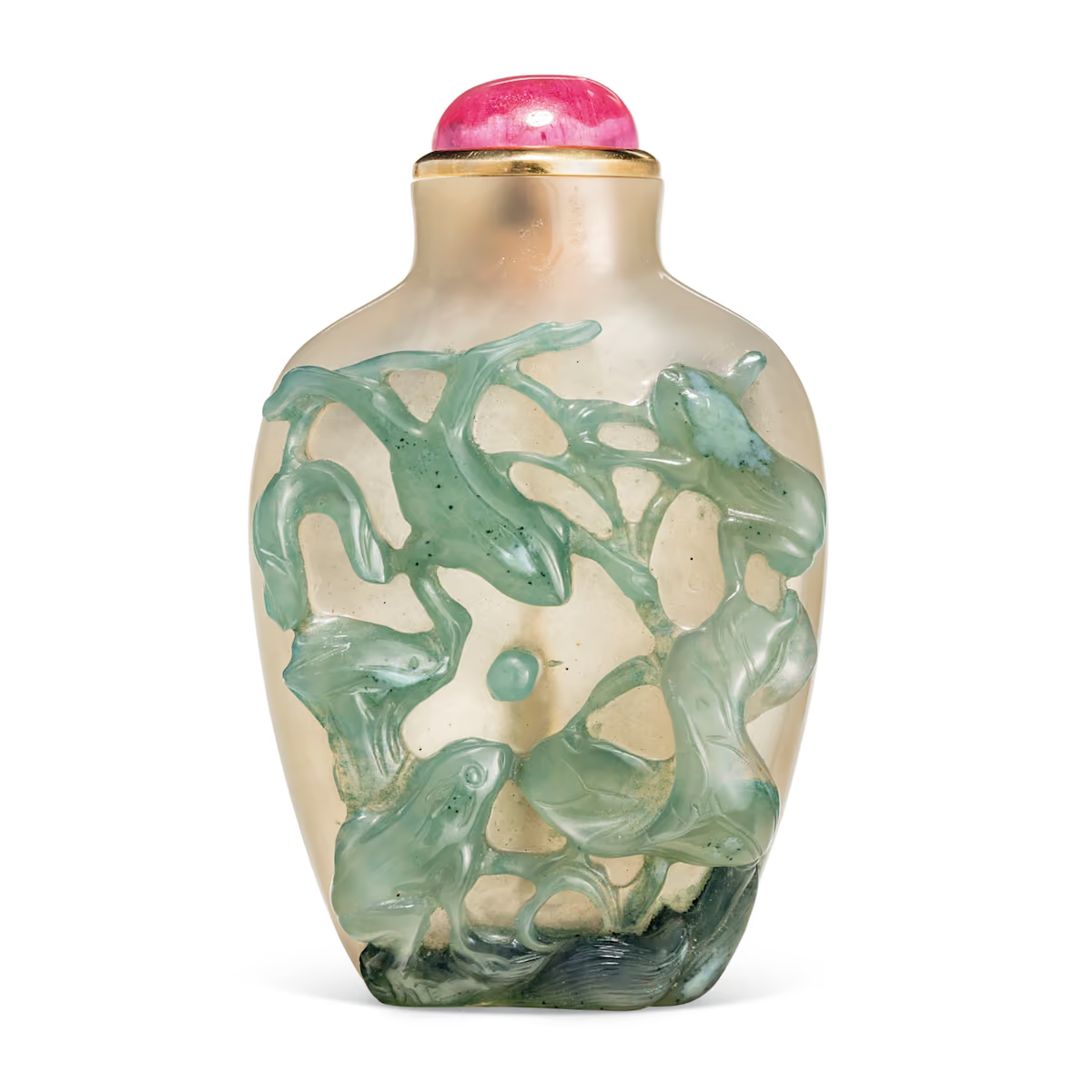
Cameo agate refers to snuff bottles crafted from agate, where designs are carved in relief by removing darker inclusions to enhance the natural imagery within the stone. This technique allows the lapidary to create more suggestive or impressionistic designs, emphasizing the stone's natural beauty. The process involves careful study of the chalcedony's inclusions, carving away material to allow light to reflect off the undulating surface.
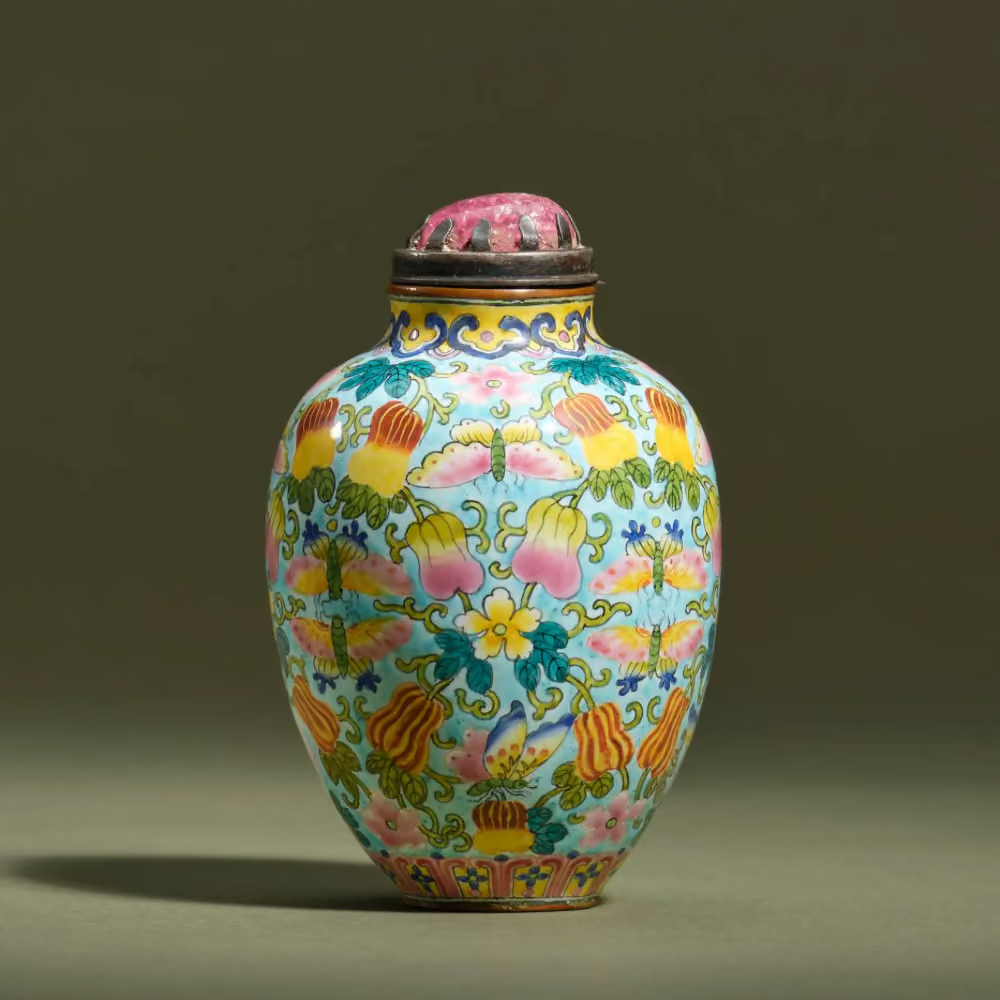
Canton enamel refers to painted enamel on a copper body, produced primarily in Guangzhou (Canton) from the early eighteenth century, often for court supply and export. Snuff bottles in this style typically feature dense floral grounds and European subjects, such as Italianate landscapes and historical scenes like the story of Sima Guang. While generally unmarked, some fine examples bear the four-character Qianlong mark. Distinguished from cloisonné by the absence of wire cells, Canton enamel is noted for its intricate painted designs.
Carnelian is a type of chalcedony often associated with agate and used in the creation of snuff bottles. It is noted for its reddish-orange color, though the Journal does not specify the source of this coloration. Historical records mention carnelian being used to craft snuff bottles and related items, such as rings and dishes, by imperial order.
Chalcedony is a microcrystalline or cryptocrystalline form of quartz that occurs in a wide range of colors and can be opaque, translucent, or transparent. It is often stained by other minerals and readily accepts dye. Varieties of chalcedony include agate, characterized by curved bands; onyx, with flat or straight parallel bands; jasper, which is opaque; and carnelian, known for its red or brown translucency. In snuff bottles, carvers exploit its subtle internal shading and natural inclusions to create intricate pictorial designs.
Champlevé enamel involves engraving or carving the metal surface to create hollows, which are then filled with enamel paste and fired to fuse the paste into a glassy finish. The process includes drawing a design on the metal, carving to form hollows, filling these with enamel, firing, and then grinding and polishing the enamel surface to achieve the desired finish. The original metal serves as a frame for the design, resulting in a multi-dimensional effect. Exposed metal parts may be gilded to enhance the overall appearance.
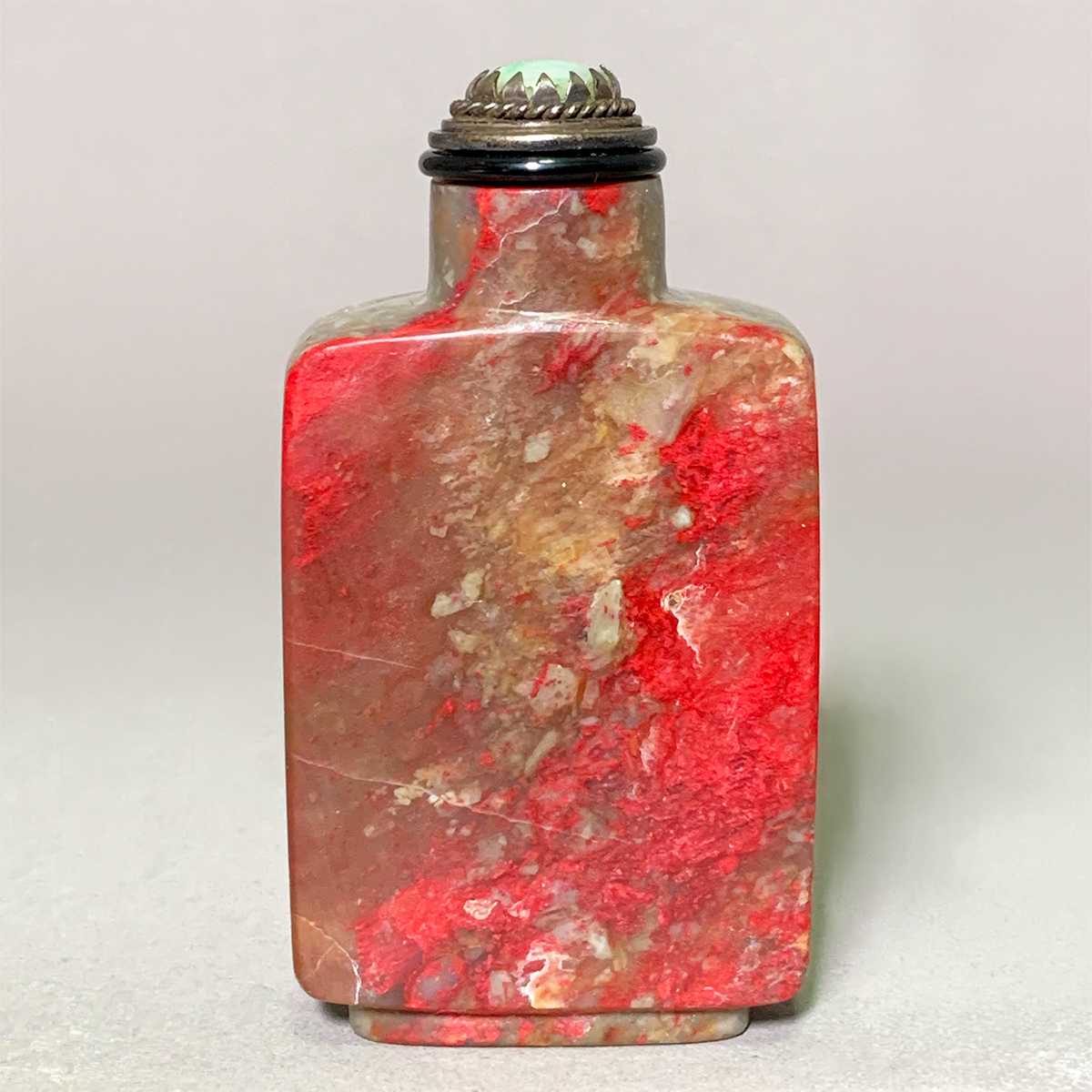
Chicken-blood stone is a type of soapstone known for its distinctive red coloration, reminiscent of chicken blood. It is often used in carvings and is valued for its aesthetic appeal. Soapstone, in general, is a material that can be inscribed and used as a canvas for artistic expression, as seen in the works of artists like Chen Hongshou who used it for its resemblance to other materials like Yixing pottery.
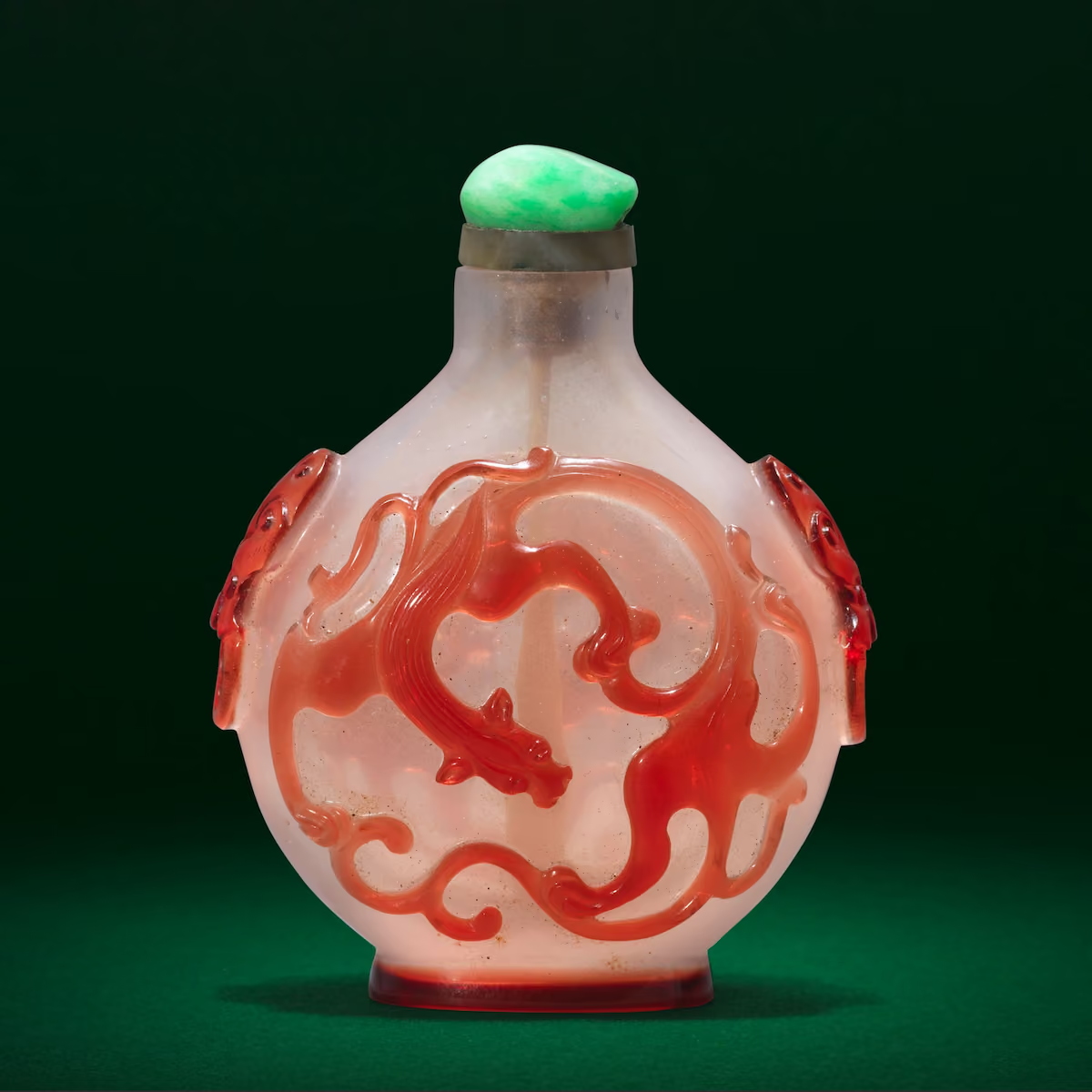
The chilong is an immature, hornless dragon depicted in Chinese art, often shown in a sinuous, climbing pose on snuff bottles. These dragons, carved in relief on materials such as jade, glass, and porcelain, signal an archaistic taste, alluding to antiquity rather than imperial rank. In addition to their artistic representation, chilong are imbued with symbolic meanings, including themes of fertility, love, and the Mandate of Heaven, reflecting their historical and cultural significance.
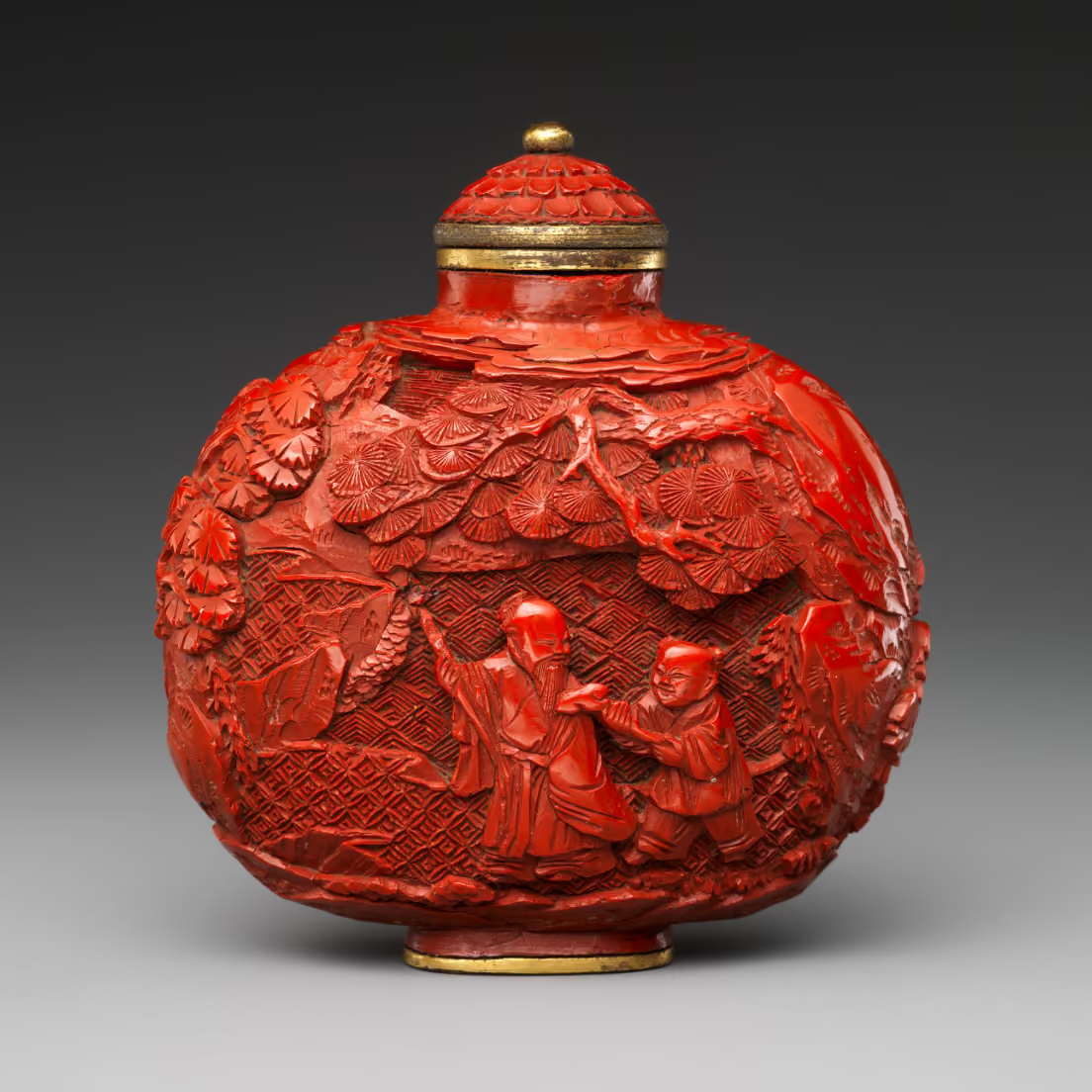
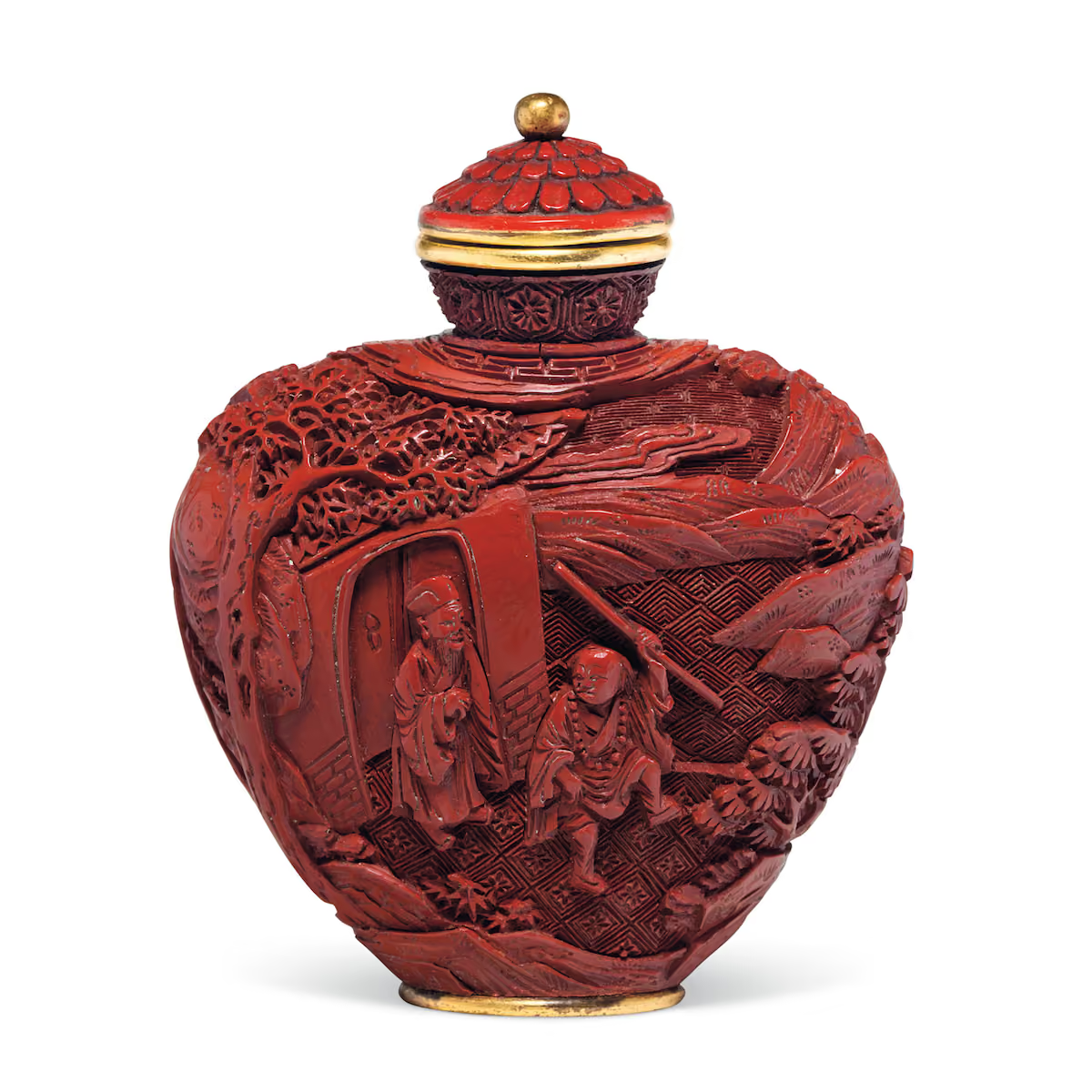
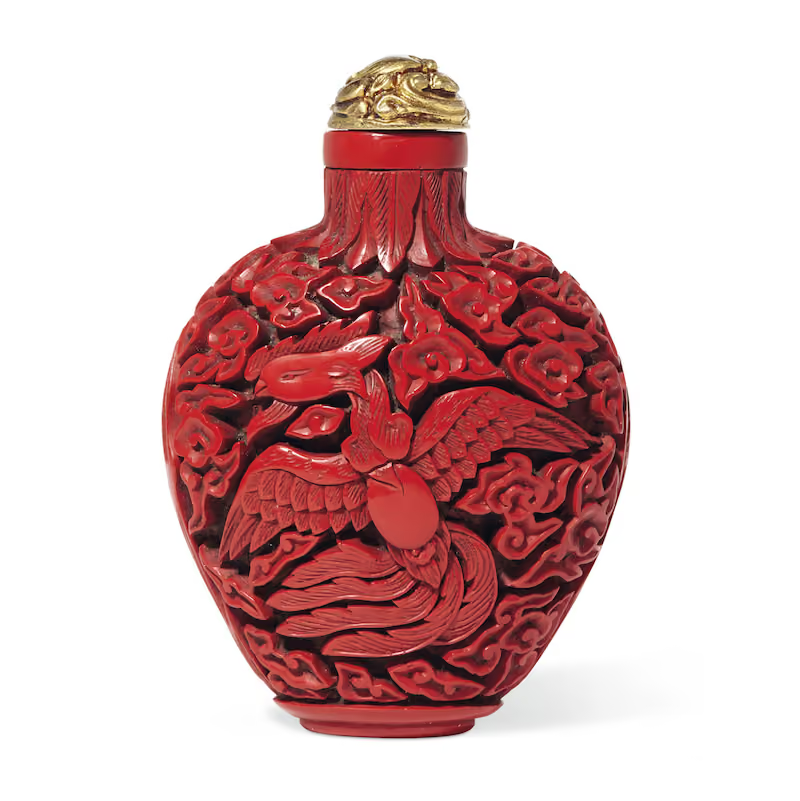
Cinnabar lacquer is a red lacquer made by mixing mercury sulfide with raw lacquer, applied in many thin layers over a metal or wood base, and intricately carved in relief. This labor-intensive process, requiring over 100 layers for sufficient depth, was popularized during the Ming dynasty and became especially valued in the Qing era as a luxury item, often associated with high-status gifting. Typical motifs include figures in landscapes and floral scenes. Later imitations in molded resin or lacquered composition exist and can often be identified by visible mold lines.
CITES, the Convention on International Trade in Endangered Species, is an international treaty signed by over 140 countries to regulate and sometimes prohibit the cross-border trade of wildlife, plants, and animals threatened by trade. It covers materials such as ivory, rhinoceros horn, hornbill, tortoiseshell, and certain corals. The sale and shipment of affected items require documented antiquity and CITES Pre-Convention certificates, making provenance legally and scholarly significant.
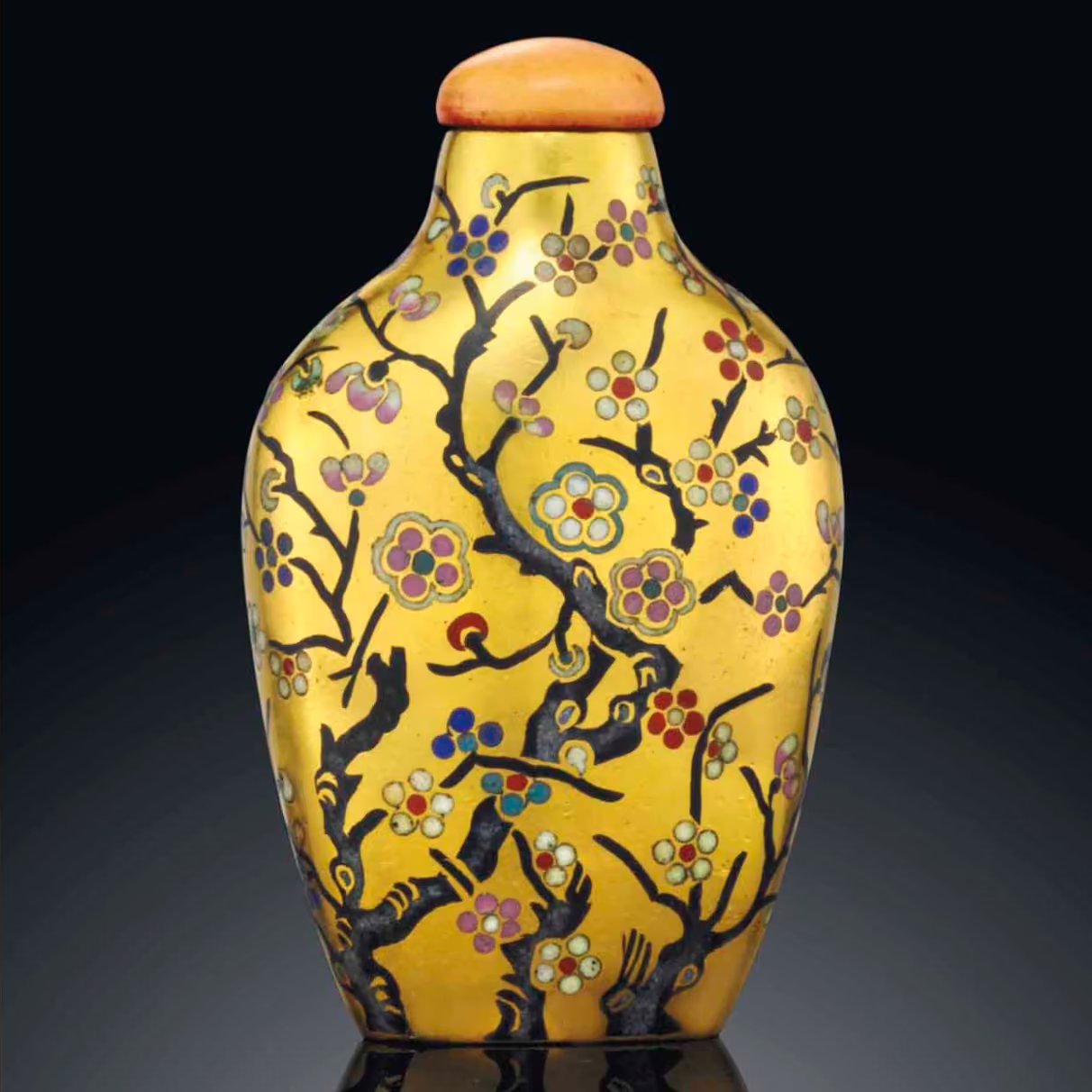
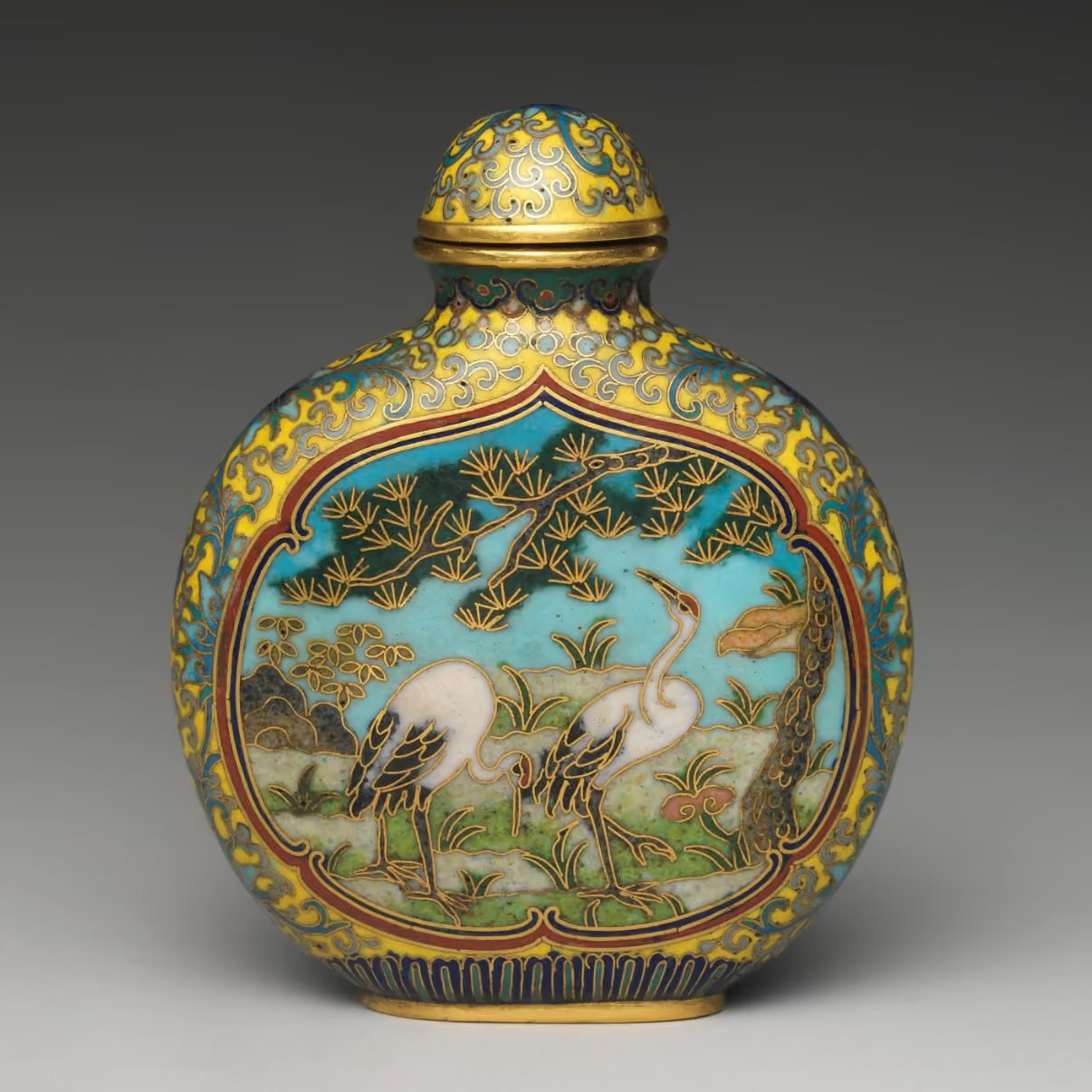
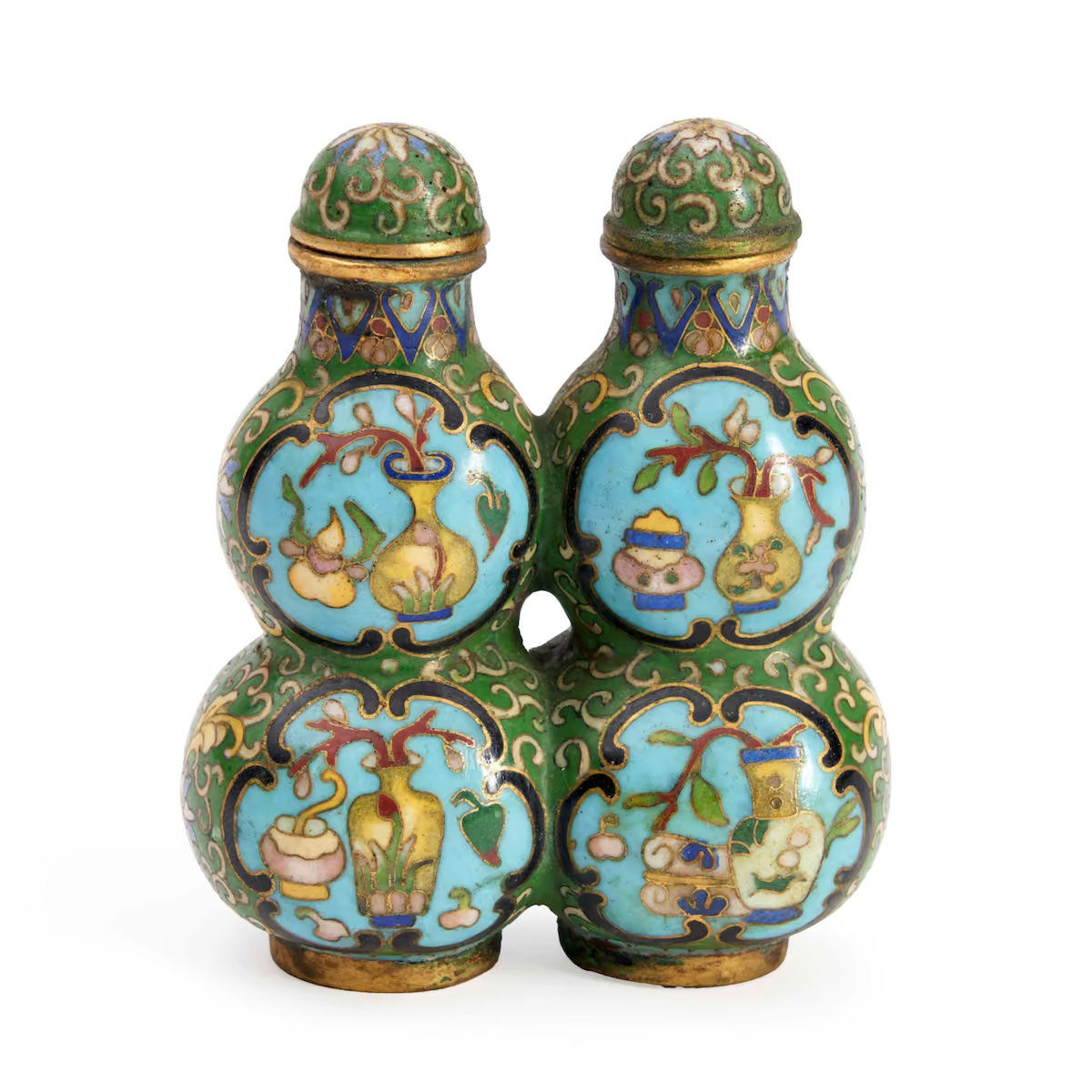
Cloisonné is an enamel technique where enamel is fired within cells formed by wire soldered to a metal body, often using fire gilding. Originating from Byzantium and adopted by Chinese craftsmen, it became prominent in imperial workshops from around 1690, particularly during the Kangxi, Qianlong, and Guangxu periods. Cloisonné snuff bottles feature a variety of decorative motifs, including floral designs, birds, and stylized patterns, with the term "jin tai lan" associated with this art form. This technique is less common than painted enamel in snuff bottles but is notable for its intricate and formal designs.
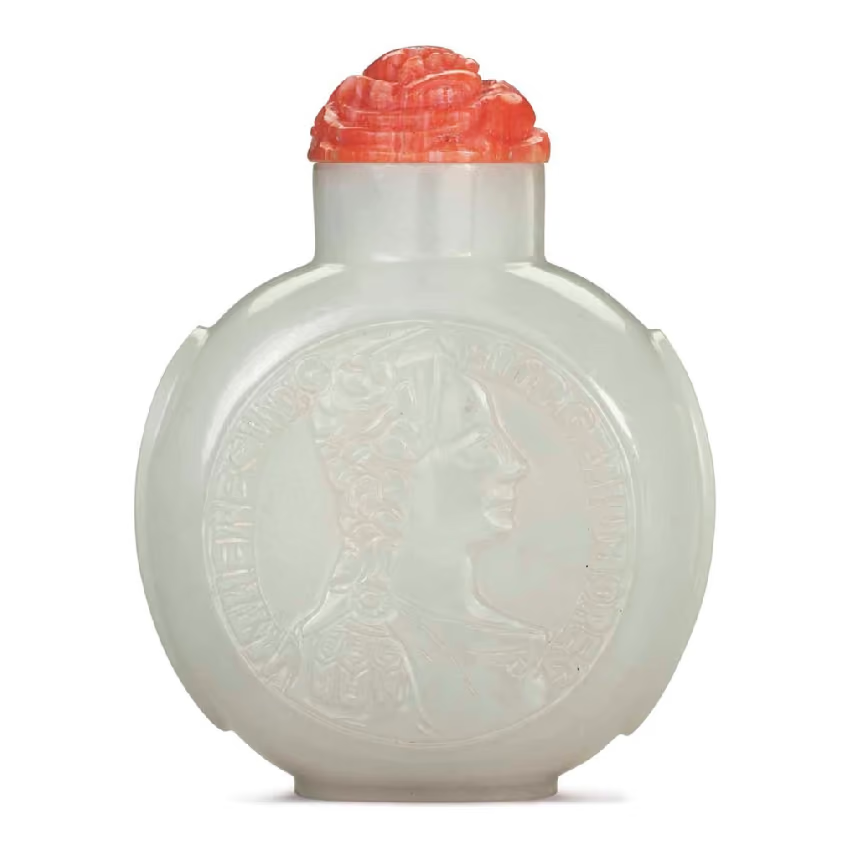
The coin pattern in snuff bottles refers to designs that imitate coins, often featuring foreign coins such as the Spanish silver thaler or the eight-reale coin of Carlos III and IV of Spain. These patterns were popular due to their association with foreign trade and the influence of European designs. Coin motifs were used in the decoration of snuff bottles, with some bottles being of imperial quality, suggesting they were made in imperial workshops or lapidary centers like Suzhou. The majority, however, were likely produced in less-exalted workshops, possibly in treaty ports where foreign coins were common.
A collar in the context of snuff bottles is a small ring, often made from materials such as metal, ivory, or jade, situated between the stopper cabochon and the cork. It serves both functional and aesthetic purposes, providing a secure bond with the cork/spoon unit and enhancing grip, while also offering visual contrast or complement to the materials of the stopper and bottle. The workmanship and material of the collar significantly contribute to the stopper's period feel, with crude modern collars often indicating replacements.
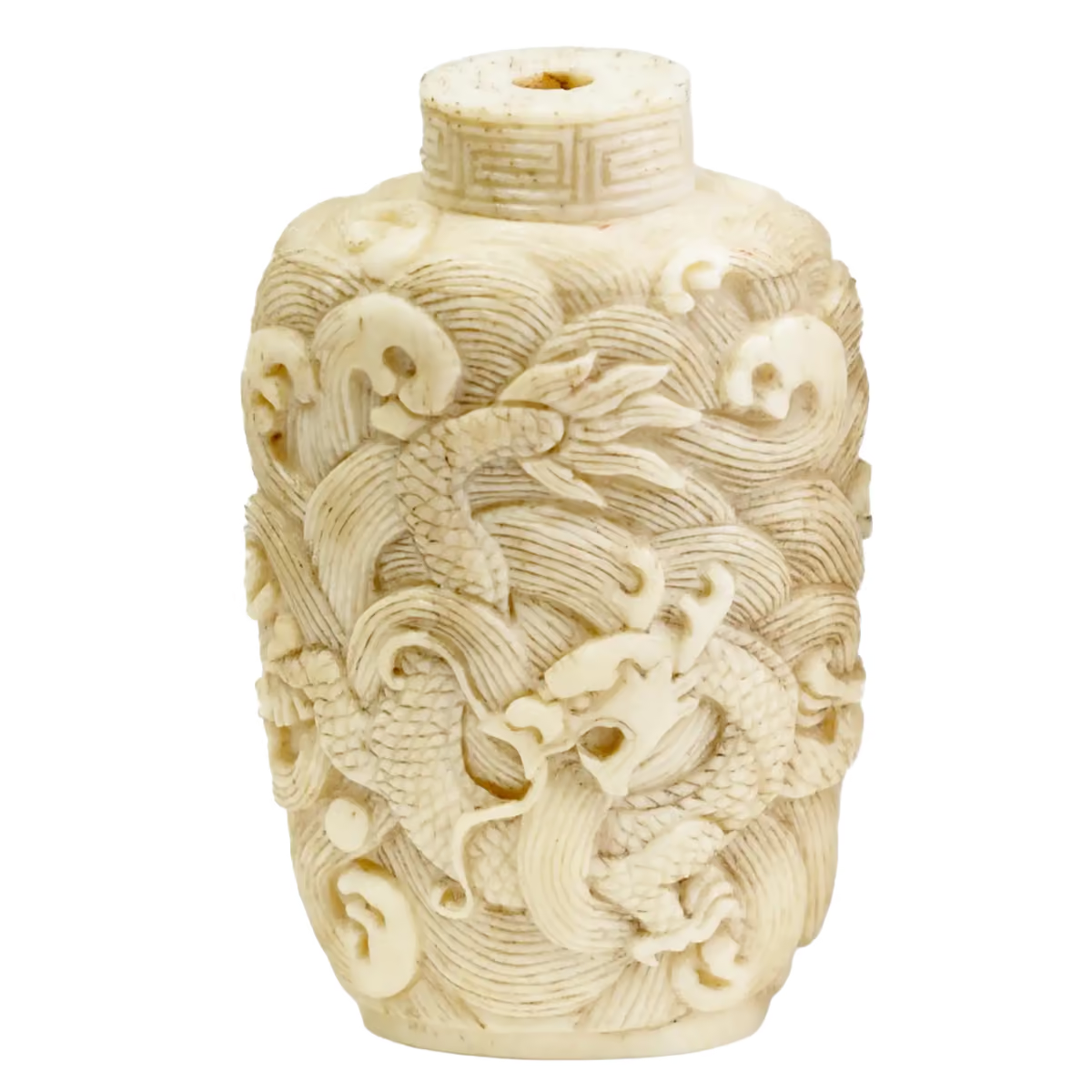
Confronting dragons are a formal motif commonly found on snuff bottles and jade carvings from the Qing Dynasty, particularly in the palace workshops in Beijing. This motif, which often includes two dragons facing each other, sometimes forms a shou (longevity) medallion. It was inspired by decorations on ancient bronze vessels and was subject to strict regulations at the Qing court. The motif appears on both jade and glass bottles, indicating a crossover of designs between different workshops.
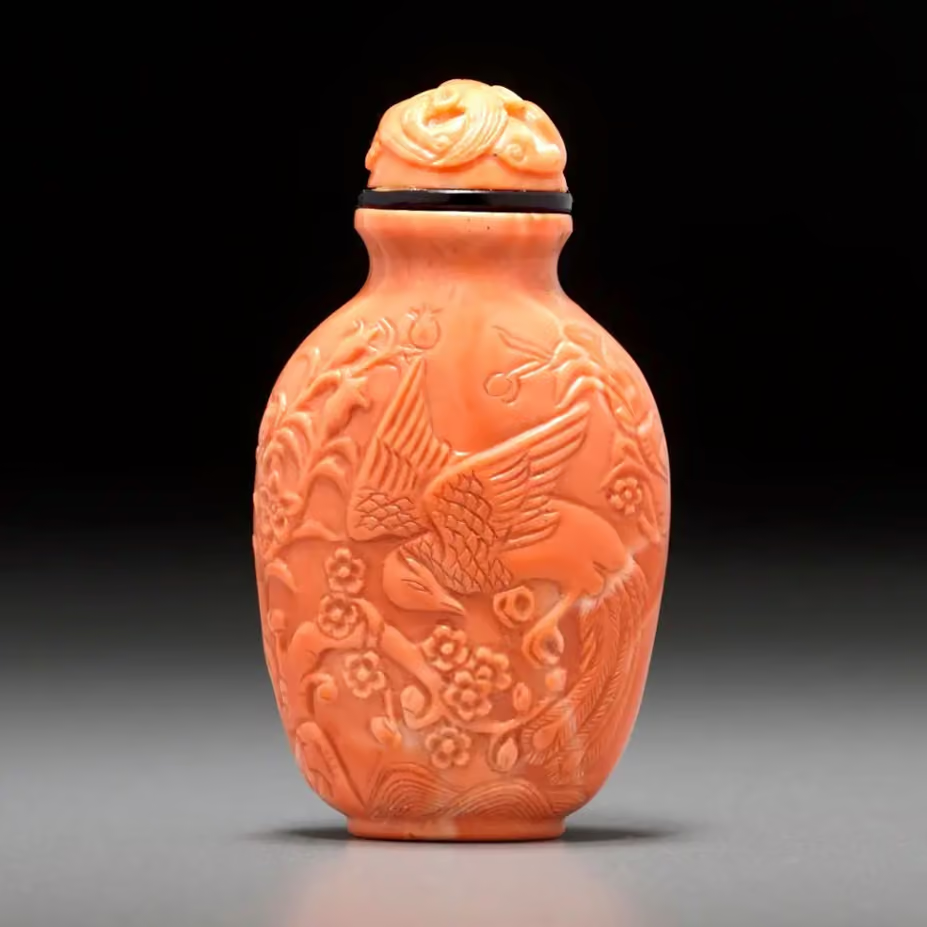
Coral, particularly the red variety from the Mediterranean, was a highly prized material in Qing China, used in snuff bottles, jewelry, and court ornaments. It held cultural significance for the Manchus and was used in Buddhist ritual items. Coral was often crafted into stoppers for snuff bottles and occasionally entire bottles, typically made from two halves joined together. The material was associated with intricate carvings and imperial workshops, reflecting its esteemed status.
The compressible plug seated beneath the stopper's collar that seals the neck and carries the spoon. Original corks rarely survive and are routinely replaced, so a fresh cork says nothing about a bottle's age or the stopper's association.
A design pattern featuring irregular angular lines that resemble ice breaking up, often paired with prunus blossoms in underglaze blue, symbolizing the arrival of spring. This pattern originated in early eighteenth-century Chinese porcelain wares and was later adopted by English porcelain makers such as Spode. It is one of the most reproduced patterns and has been creatively applied in various materials, including jade, where natural stone flaws are used to mimic the cracked-ice effect.
A network of surface cracks in glass or glaze, used both as a deliberate decorative technique and as an indicator of age. In Chinese art, crackle glazes carry cultural and historical significance, often referencing ancient ceramic traditions, such as the imitation of Song dynasty guan ware. Crackle can be deliberately induced in materials like glass, particularly in imperial workshops, and is distinct from crizzling, which involves chemical instability within the glass itself.
In Chinese symbolism, the crane represents longevity and wisdom, often depicted with pine trees, lingzhi, or peaches to enhance the wish for a long life. Cranes are associated with immortals and Daoists, who are sometimes shown riding them to celestial realms. Additionally, a crane with a deer forms a rebus symbolizing high office and emolument. The crane's imagery is also used in civil rank badges, reflecting its cultural significance.
Crizzling refers to a network of fine internal cracks and surface haze in glass, resulting from chemical instability often due to an incorrect mixture of constituents, such as an excess of alkali or the introduction of foreign glass. This phenomenon was common in early Qing dynasty glass but also appeared in later periods, including the nineteenth century. Environmental factors like dampness and burial conditions can exacerbate crizzling, which is considered an attractive and value-enhancing feature by collectors. While it supports early dating, crizzling can also be artificially induced, so it should be used cautiously as evidence of age.
A cyclical date refers to a system of dating based on a sixty-year cycle composed of ten heavenly stems and twelve earthly branches, commonly used in Chinese art, including snuff bottles. This system, in use since the Han dynasty, indicates the year within the cycle but does not specify the exact year without additional context. To determine the precise year, one must consider stylistic elements and the artist's known working period, as the cyclical date is not always accompanied by a broader period title. Visit the Society page on the Cyclical Calendar to view all date combinations and an example of bottle dating.
In Chinese symbolism, the deer is an emblem of longevity and prosperity, often depicted carrying lingzhi, a fungus associated with immortality. It is part of the fu lu shou triad, representing emolument, and is frequently shown with a crane or in the company of Shoulao, the god of longevity. The deer also symbolizes a wish for official salary and rank through the pun on "lu." In art, it may appear in rebuses offering congratulations for official appointments.
A diaper ground is a repeating geometric pattern used as a background in decorative arts, including snuff bottles. It often features designs such as keyfret, honeycomb, or scale patterns, and is commonly found in materials like glass, porcelain, and enamel. The quality of a diaper ground is an indicator of craftsmanship, with regularity and fineness being key factors. Examples include a yellow diaper ground on a snuff bottle with butterflies and a carved glass bottle with archaistic dragons on a diaper ground.
In Chinese culture, dogs symbolize loyalty, vigilance, and longevity, often depicted in art and snuff bottles alongside symbols of long life such as chrysanthemums and pigeons. They are celebrated for their protective nature and historical anecdotes highlight their loyalty, including instances of dogs saving their masters. Historically, dogs have also served practical roles as guardians and were used in sacrificial rites, with their meat consumed in certain regions. The definition should not confuse dogs with fu dogs, which are actually representations of lions.
Double bottles are conjoined or dual-chambered snuff bottles, often crafted in forms like the double-gourd, symbolizing abundance or marital union. These bottles, which can be made from materials such as hardstone, porcelain, nephrite, and enamel-on-glass, are celebrated for their intricate designs and the skill required to hollow them evenly. They frequently feature auspicious motifs and are a testament to the artisan's virtuosity.
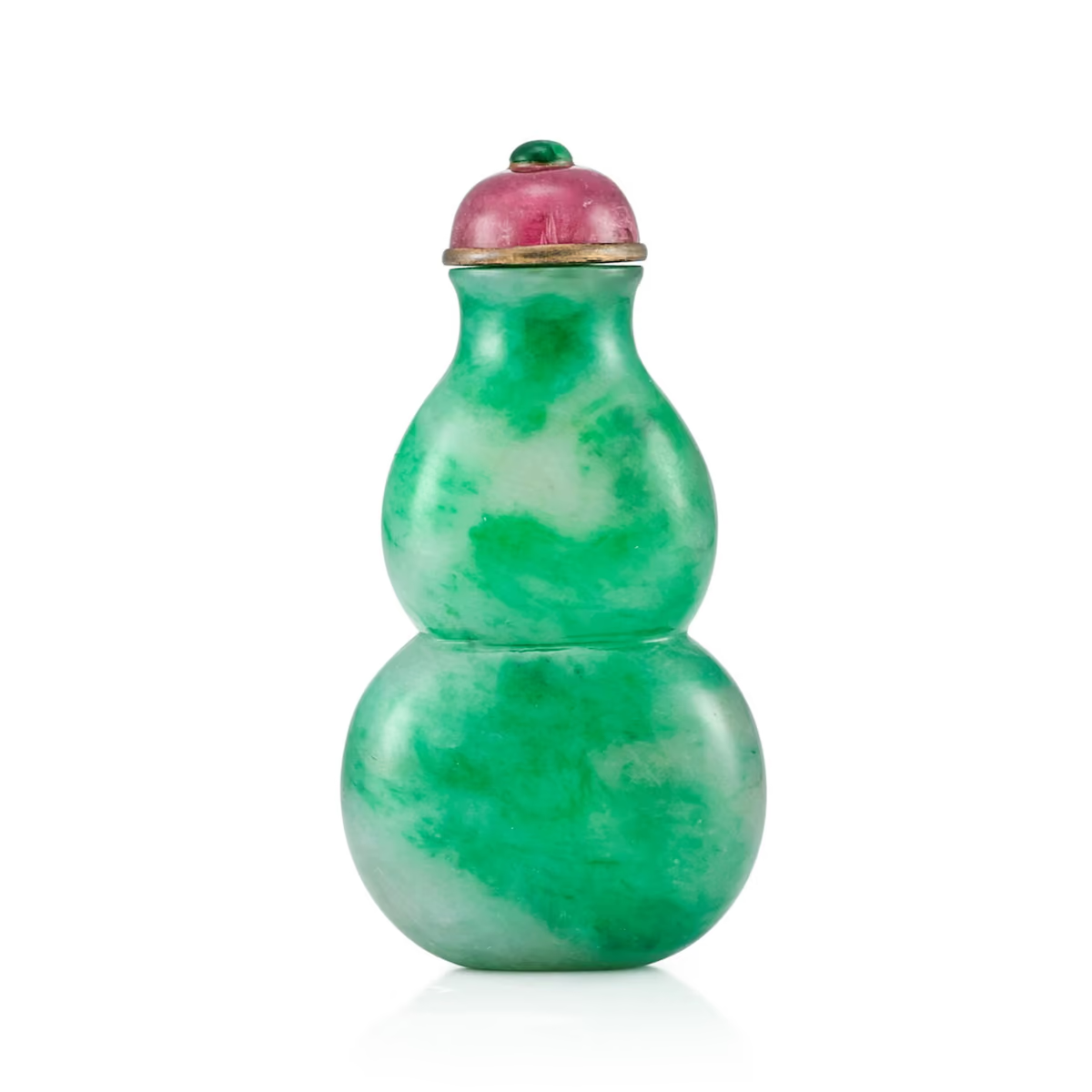
The double-gourd form is a bottle shape symbolizing fertility, longevity, and good fortune, linked to the Daoist immortal Li Tieguai's medicine gourd. Its shape, with upper and lower bulbs representing heaven and earth, is auspicious for absorbing evil vapors and is a pun on "fulu," meaning happiness and emolument. This form is prevalent in materials such as porcelain, glass, jade, and molded gourd, and carries historical and imperial significance. The gourd's association with bats further symbolizes blessings and wealth.
The character xi, meaning happiness, is often doubled to symbolize double happiness, an emblem of marriage and auspicious occasions. Snuff bottles featuring this motif were popular wedding gifts and frequently paired with symbols like magpies, butterflies, paired fish, and sometimes dragons, all of which convey wishes for conjugal bliss and longevity. While the presence of this character does not date the bottle, it signifies its use for celebratory events.
Double overlay refers to a technique in glass snuff bottle making where two layers of colored glass are applied over a base layer. Not to be confused with multiple colors on one layer. This method is more complex than single overlay, requiring the base bottle and first overlay to be perfected before adding the second layer. The technique allows for intricate designs by carving away parts of the overlay to reveal the colors beneath, creating a sculptural effect. Mastery in this technique can highlight specific features and create a sense of movement in the motifs.
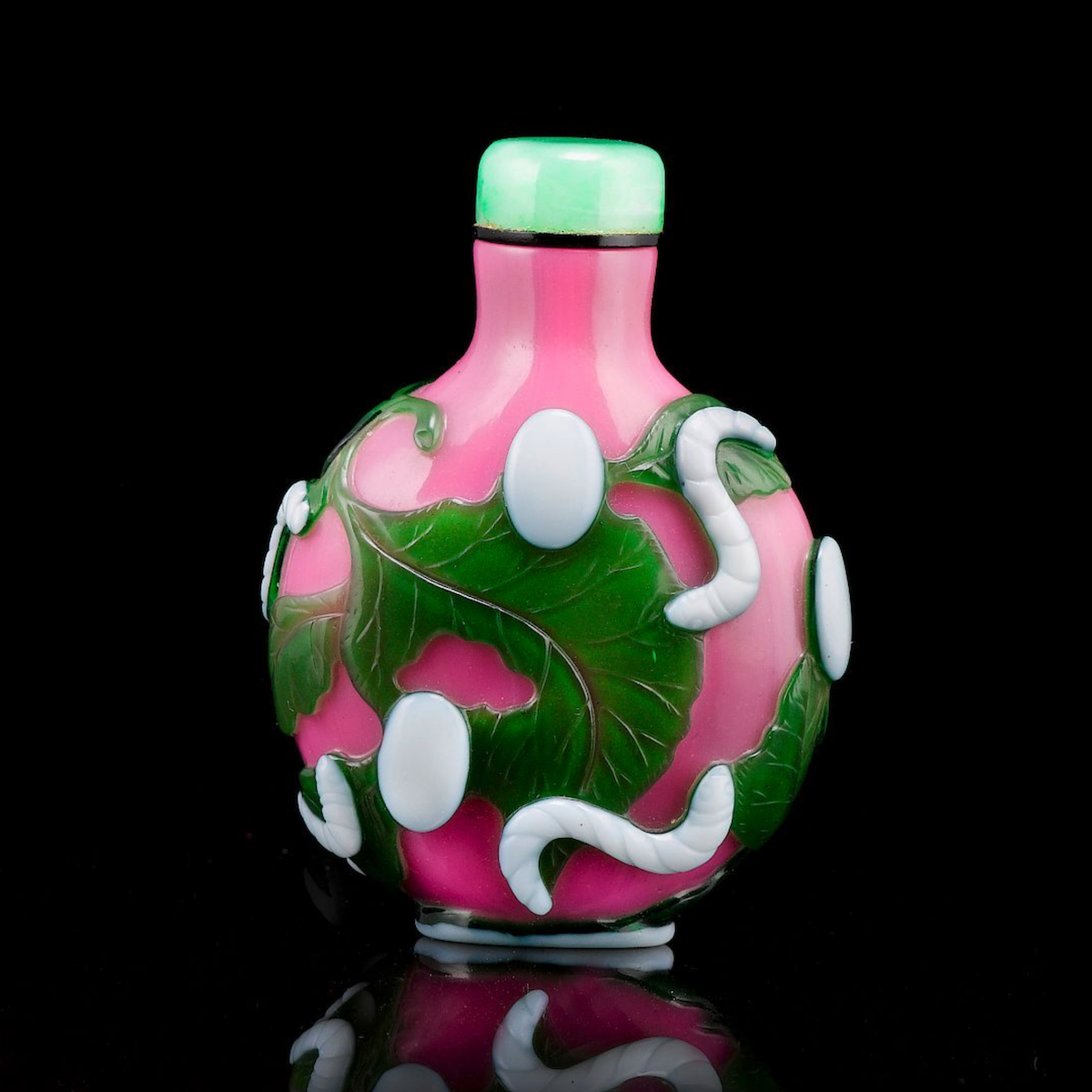
In Chinese art and culture, the dragon is a powerful and auspicious creature symbolizing imperial authority, rain-bringing, and sovereignty. It is often depicted in designs such as dragons amid clouds or spouting water, representing rulers who care for their people. Dragons are also associated with immortality and Daoist alchemy, frequently shown with lingzhi fungus, and play a role in cultural practices like the dragon dance and dragon boat races. The dragon's ability to change size and become invisible symbolizes a man of talent, further enriching its cultural significance.
Duan stone, originating from Duanzhou in Guangdong, is a fine-grained slate primarily used for inkstones, which are essential to the scholarly tradition in China. It is characterized by its dark black-brown color and dense, even texture, making it ideal for grinding ink. Occasionally crafted into snuff bottles, Duan stone is associated with literati culture and often features prized markings such as concentric rings known as "peacock or mynah bird eyes." These bottles may also be intricately carved with designs and inscriptions, highlighting the material's esteemed qualities akin to fine jade.
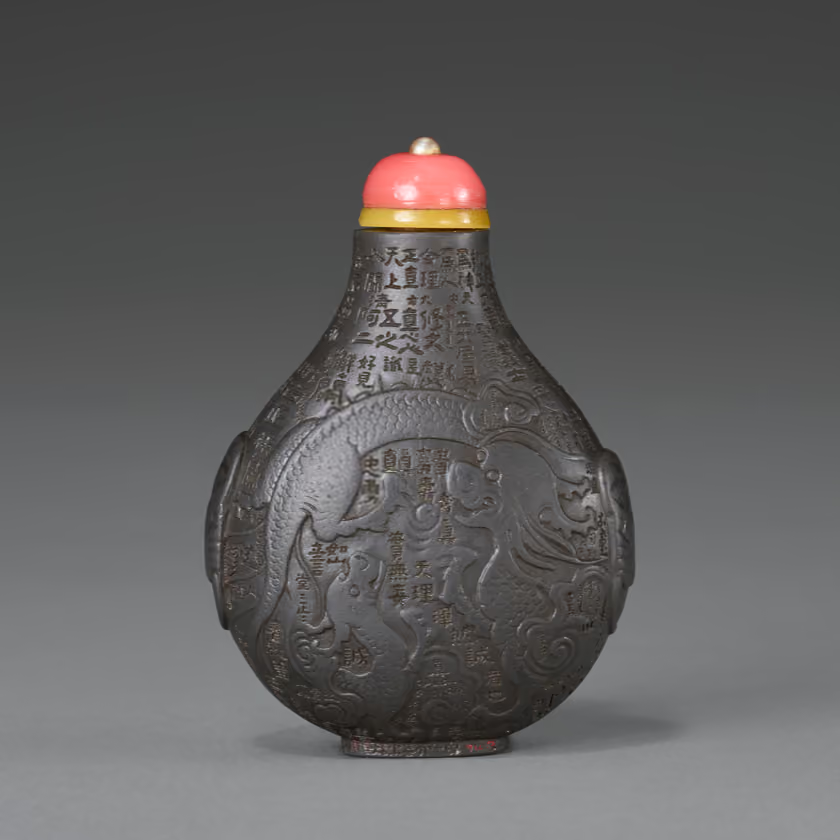
Dyeing refers to the artificial coloring of stone and other materials to imitate more valuable substances, such as chalcedony dyed to resemble carnelian red or jadeite dyed toward emerald green. This practice has been routine since the post-Han period and has become increasingly difficult to detect due to modern technology. Detection often relies on identifying color concentrated in fractures, unnatural evenness, and fluorescence. An example includes dyeing the crystalline inner core of walrus tusks green to imitate jadeite, highlighting the diverse applications of this technique.
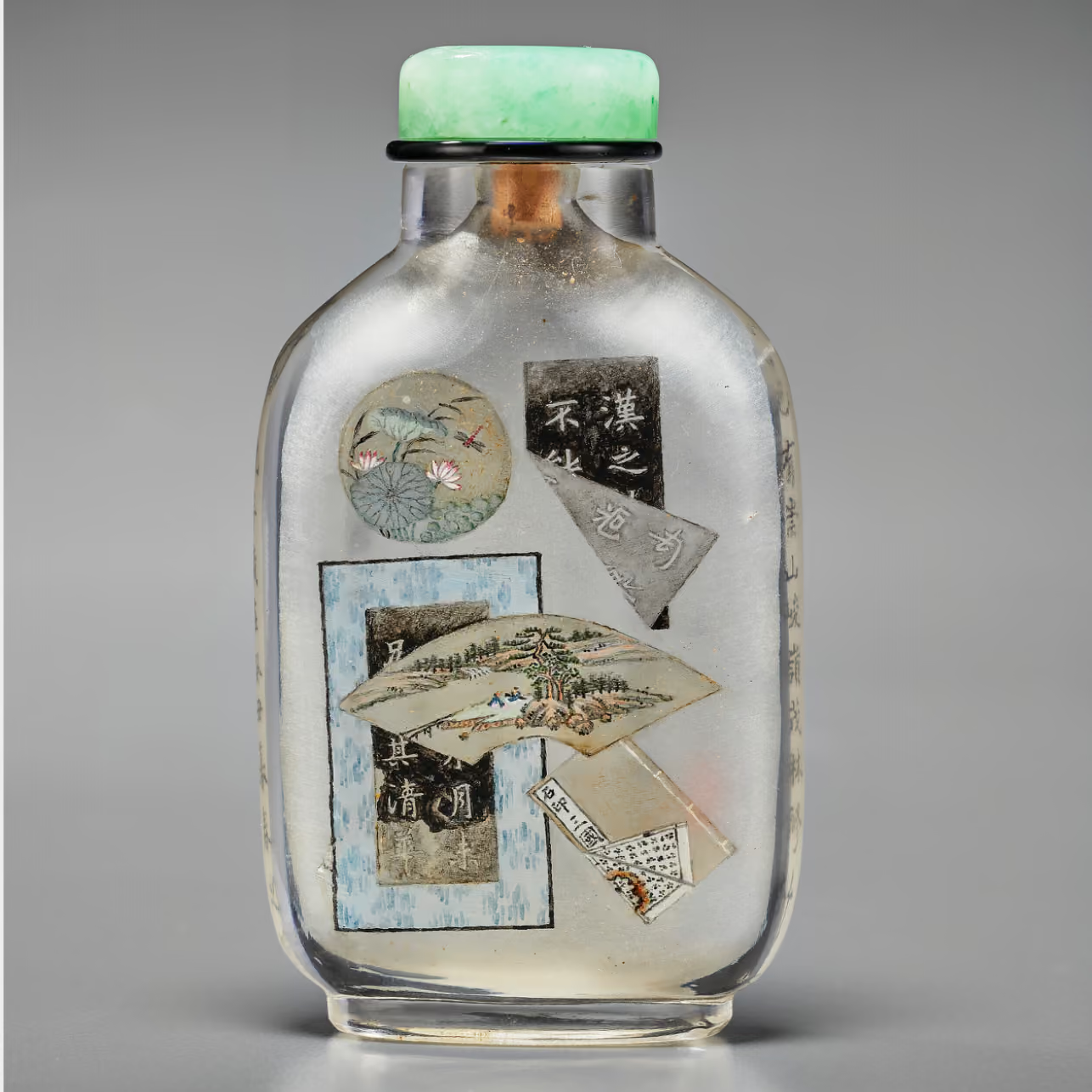
The term "Eight Brokens," also known as "bapo" or "jipo," refers to trompe l'oeil compositions featuring fragments such as torn and burnt paper, calligraphy, seal impressions, and sometimes fans or political communiques. These compositions symbolize endurance and good fortune, with "eight" being a conventional rather than literal count. Originating in the nineteenth century, this style suits inside-painted snuff bottles, where the illusion of layered depth is effectively achieved. The compositions are culturally significant, reflecting the literati class's appreciation for endurance and auspiciousness.
The Eight Immortals are a group of legendary Daoist figures, each associated with a unique attribute like Li Tieguai's gourd and Lü Dongbin's sword, symbolizing their immortality and virtues. They are commonly depicted in Chinese art, including snuff bottles, often shown crossing the sea using their attributes, which represents their power and divine nature. This motif is rich with symbolism, conveying themes of longevity and blessings. Additionally, the Immortals are linked to celestial wine, believed to enhance intelligence and wit, further embedding them in cultural narratives and artistic expressions.
Embellishment refers to the addition of decorative elements to snuff bottles, enhancing their aesthetic appeal and perceived value. This practice involves inlays of materials such as ivory, agate, mother-of-pearl, lacquer, and precious stones, and has historical roots beyond the twentieth century. Notably, the Tsuda family in Japan was renowned for their work in embellishing bottles with intricate designs during the late nineteenth and early twentieth centuries. While often associated with increasing salability, embellishments also reflect cultural and artistic significance, making these bottles period objects with later enhancements.
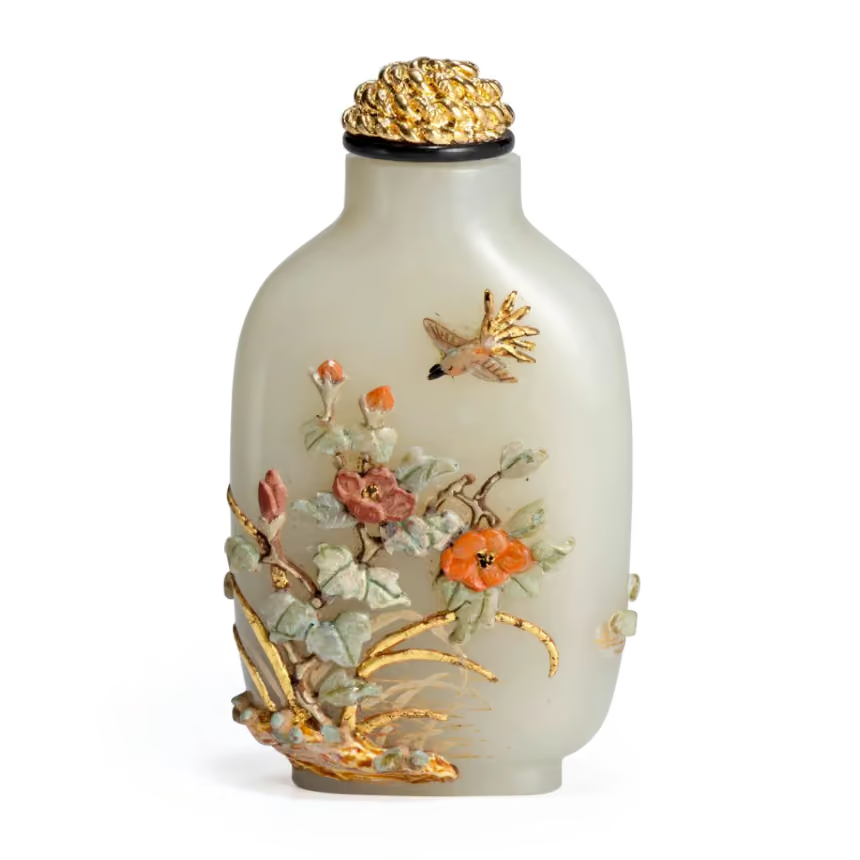
Enameled glass involves painting enamel onto a glass body and firing it, a process mastered in the Beijing Palace workshops under the Qianlong emperor. This technique, influenced by European styles, requires high skill due to the risk of the glass slumping at the enamel's maturing temperature. The resulting objects, often vibrant and intricate, are considered masterpieces of the period. The tradition continued into the 20th century, with artists like Wang Xisan and You Fenghua contributing to its legacy.
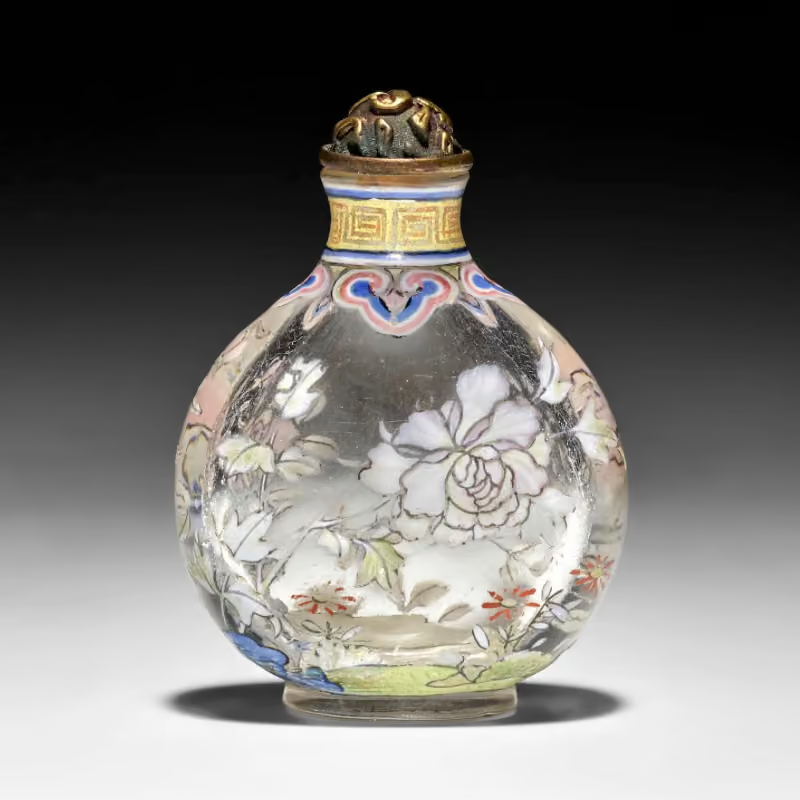
Falangcai refers to the exquisite enamels prepared and painted in the imperial palace workshops during the Qing dynasty, particularly under the Yongzheng and Qianlong emperors. These wares, often on porcelain and metal, reflect a blend of Chinese and Western artistic elements introduced by Jesuit missionaries. Falangcai pieces are noted for their exceptional quality and rarity, often serving as diplomatic gifts and showcasing imperial taste and technical mastery. The term should be applied with restraint, acknowledging their historical and cultural significance.
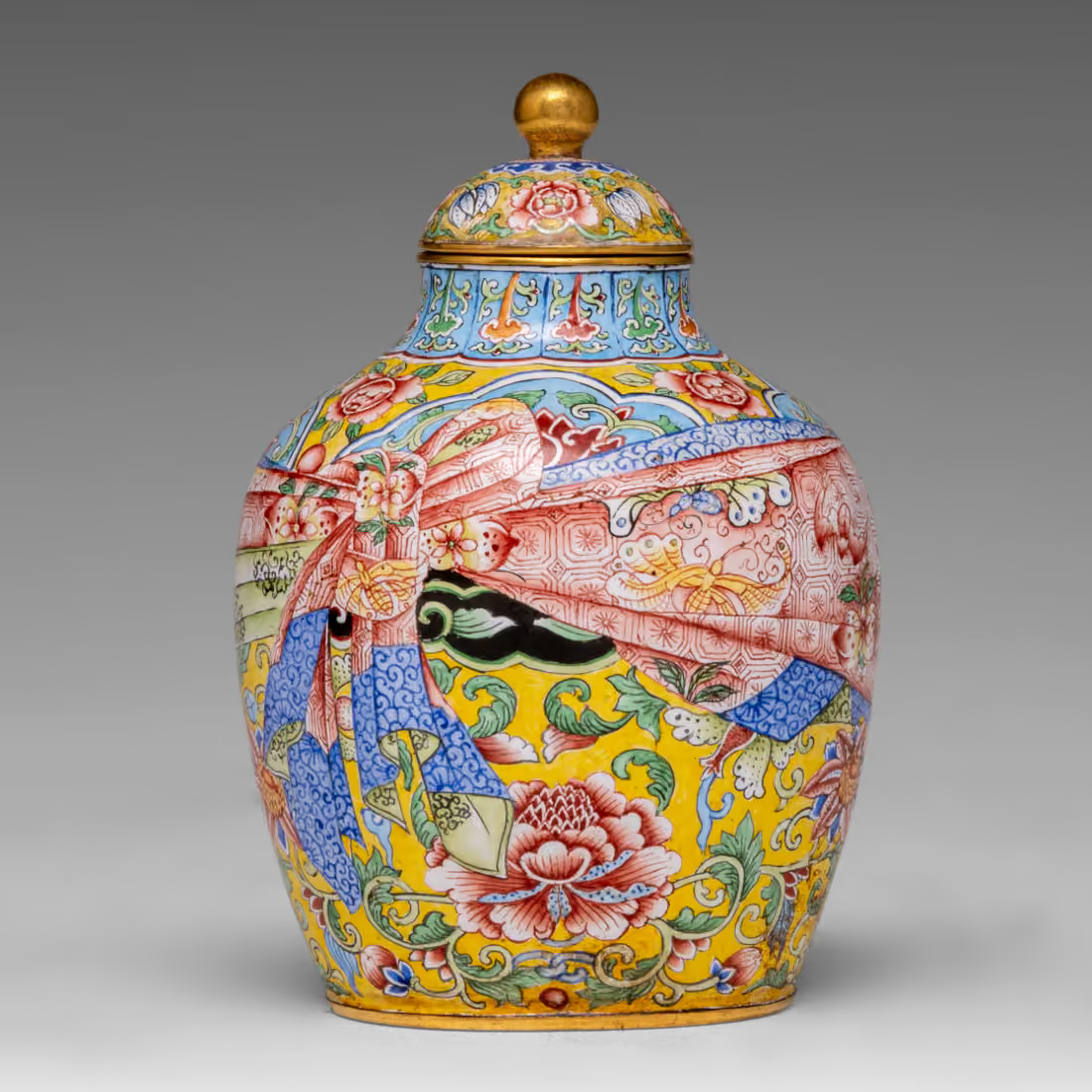
Famille rose refers to an overglaze enamel palette introduced around 1720, characterized by its opaque pink derived from colloidal gold and white lead-arsenic enamel that allows for shading. This palette is not only used on porcelain but also on glass and copper, and it became particularly prominent during the Qianlong and Jiaqing periods. The term, originating from French trade, is standard in catalogs, while Chinese sources refer to it as fencai. It remains the dominant palette for enameled snuff bottles, celebrated for its intricate and colorful designs.
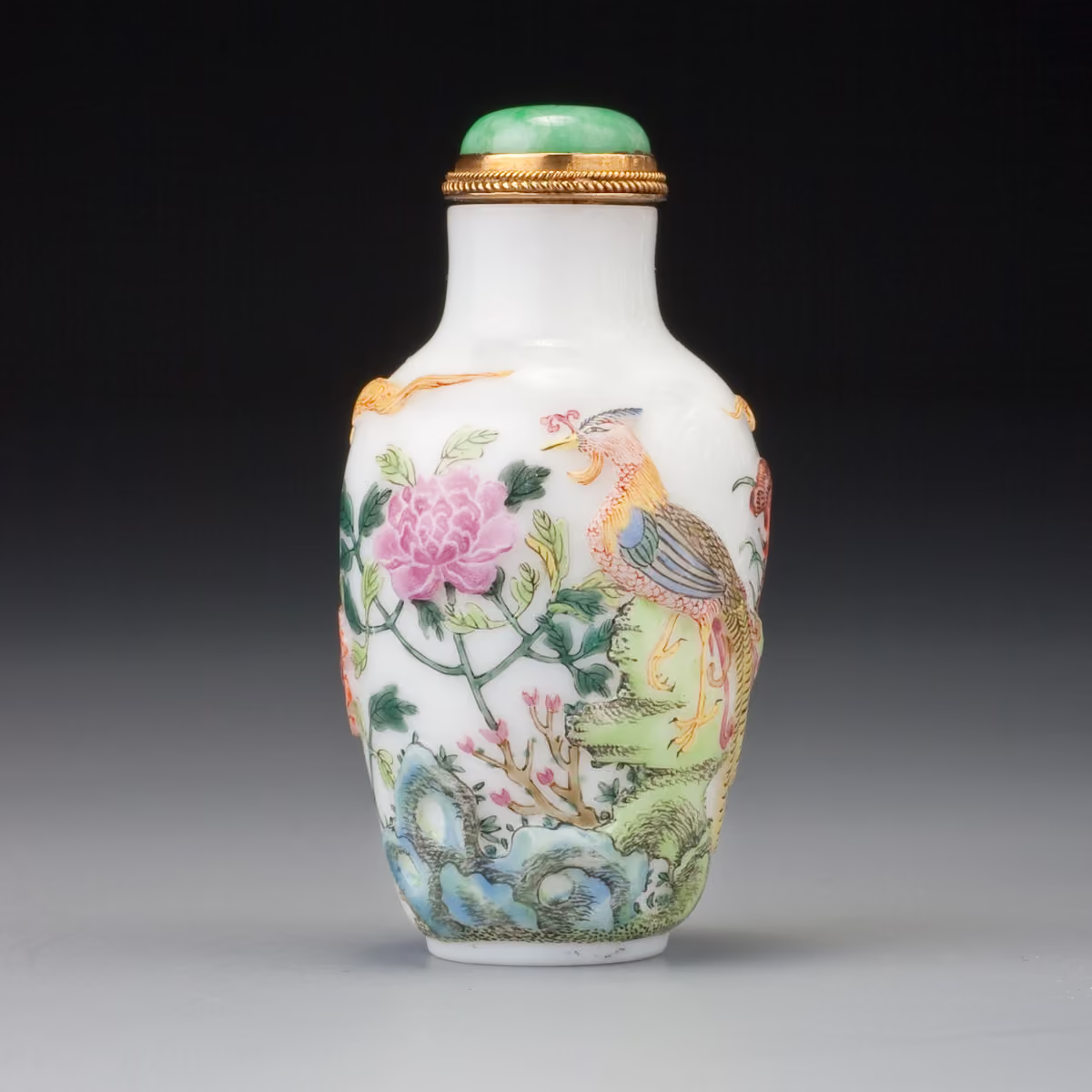
Famille verte refers to a style of Chinese porcelain decoration characterized by the use of green enamels, often alongside other colors, and is noted for its vibrant and detailed designs. This style was popular during the Kangxi period of the Qing dynasty and continued to be used into the early nineteenth century. Famille verte enamels were used to decorate various objects, including Yi-hsing snuff bottles, which often featured continuous landscapes on both front and reverse sides.
Faux-material glass refers to glass crafted to imitate other materials such as jade, amber, and realgar. This imitation was a celebrated skill of Qing artisans, highlighting their craftsmanship rather than serving as a mere substitute for costlier materials. The glass itself was highly valued and often displayed alongside the materials it imitated, showcasing the artisans' expertise. Notably, some materials, like realgar, were unsuitable for snuff bottles due to their toxicity, making glass a practical and admired alternative.
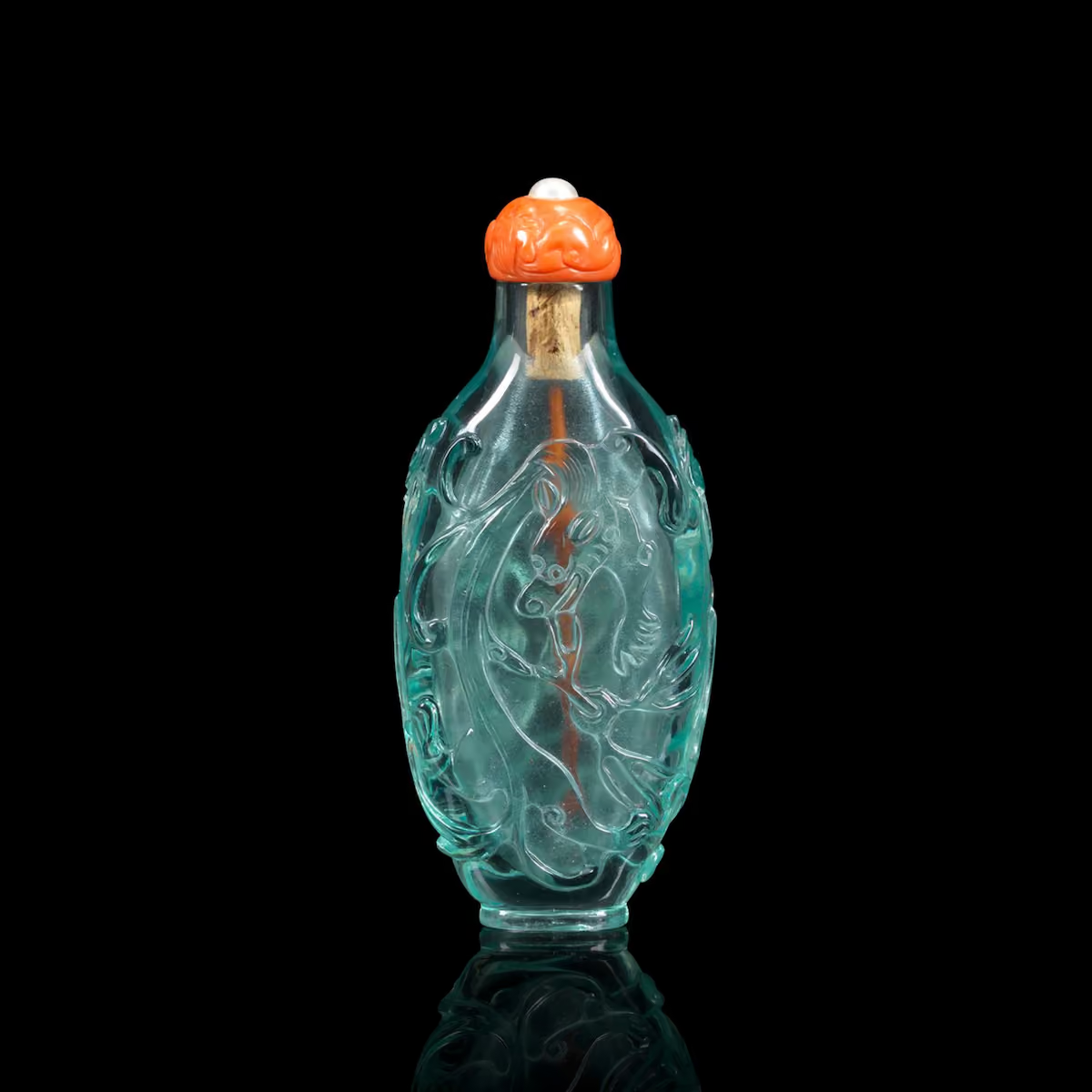
The fenghuang is an ancient mythical bird associated with Chinese culture, often linked to the empress. It is a composite creature embodying both male and female aspects, similar to the yin-yang concept, with the male being 'Jeng' and the female 'buang'. The fenghuang is a symbol of the sun and the great yang principle, frequently depicted gazing at the sun or a ball of fire, representing auspiciousness and good fortune. It is a common motif in imperial art, often paired with dragons, and appears prominently in snuff bottle designs from the Qing dynasty.
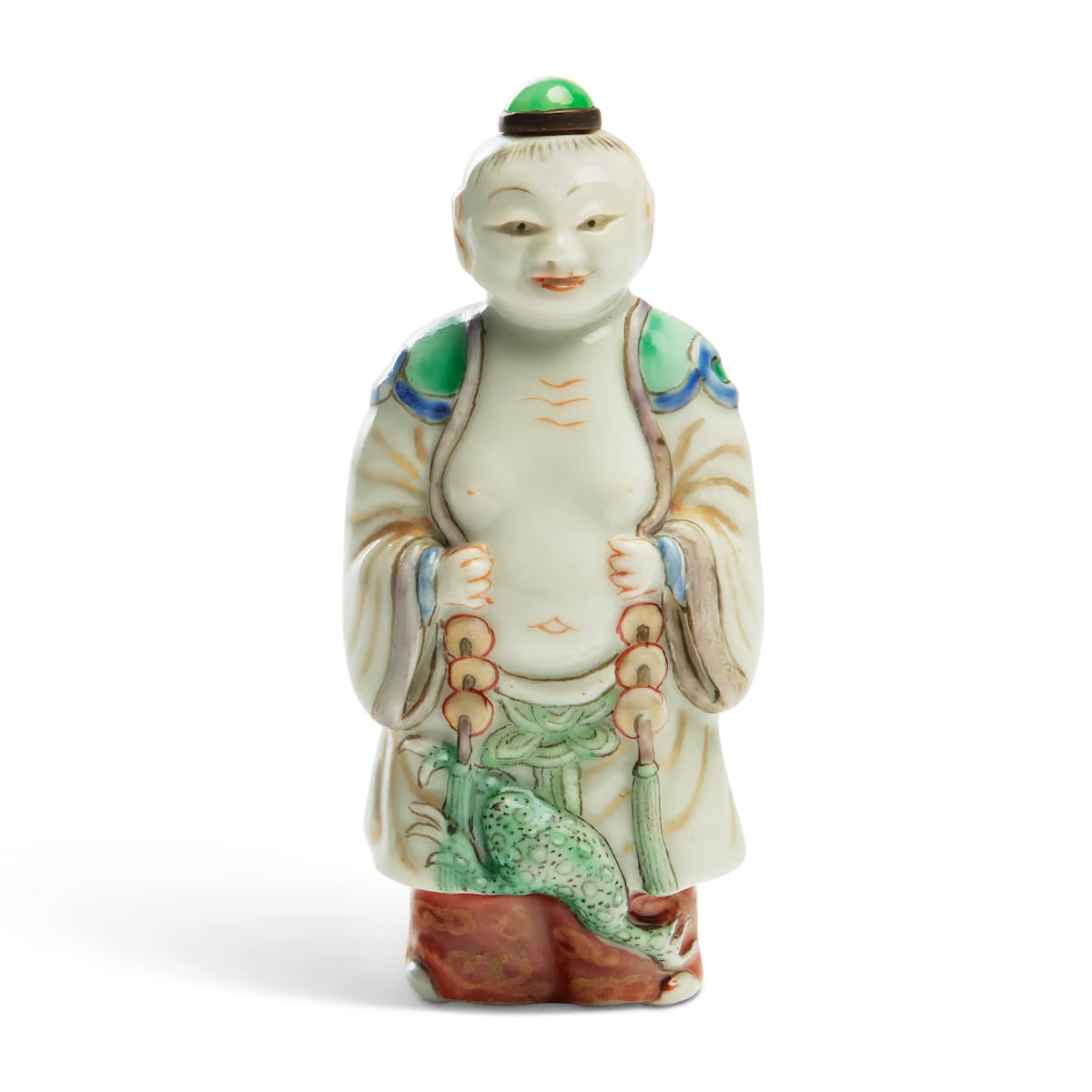
A figural bottle is a snuff container modeled in the shape of figures, animals, or objects, crafted from materials such as porcelain, ivory, wood, and metal. These bottles often depict motifs like cicadas, incense burners, or the character shou, and can carry cultural or symbolic meanings, such as the cicada representing rebirth and immortality. While some figural bottles are functional, others serve decorative purposes or act as souvenirs.
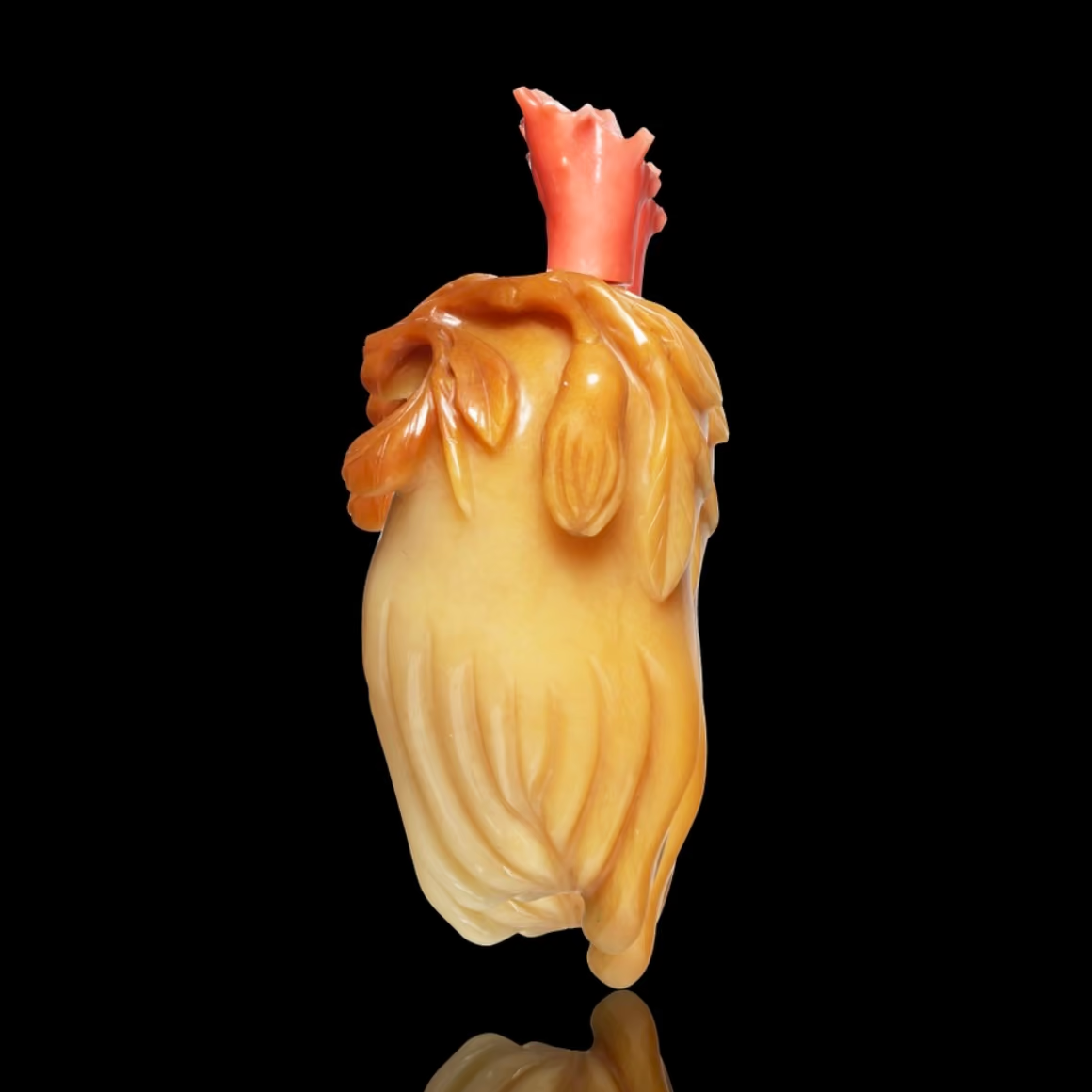
The finger citron, known in Chinese as Buddha's hand (foshou), is a many-lobed fruit symbolizing happiness and longevity. It is one of the Three Abundances, alongside the peach and pomegranate, representing long life, happiness, and fertility. This fruit is often depicted in snuff bottles and other Chinese art due to its auspicious symbolism and suitability for relief carving. Additionally, its strong fragrance makes it a popular offering during Chinese New Year.
The Five Blessings in Chinese culture refer to longevity, wealth, health, love of virtue, and a peaceful or natural death. These blessings are often symbolized by five bats, as the Chinese word for bat (fu) is a homonym for blessings or happiness (fu). The bats are typically arranged around a shou character, representing longevity, forming the rebus "wufu pengshou," which means "May you be granted longevity and the five blessings".
Fluorite is a soft mineral with a Mohs hardness of 4, known for its banded greens, purples, and blues, and is often translucent with color zoning. It is highly fluorescent and has a low refractive index of 1.433, with a specific gravity of 3.18. Its perfect cleavage in four directions makes it vulnerable to wear, often resulting in rounded details and scratching on surviving bottles. Fluorite can be mistaken for quartz, but its fluorescence under ultraviolet light helps distinguish it.
The foot rim is the base structure on which a snuff bottle stands, varying in shape from circular to oval or cylindrical. It can be recessed or protruding and may feature inscriptions or marks, which can provide insights into the bottle's origin and craftsmanship. A neatly finished foot rim is a quality marker, especially in hardstone bottles, and wear on the foot rim should be consistent with the bottle's claimed age.
Gilding refers to the application of gold decoration on materials such as porcelain and enamel, often seen in snuff bottles. It is used in conjunction with famille rose and iron-red enamel decorations, adding a layer of opulence and detail. The wear of gilding over time can serve as an indicator of age and authenticity, with worn gilding on older pieces being typical, while bright, complete gilding on purportedly early pieces may warrant further scrutiny.
In Chinese tradition, the goat, also represented by the same character as sheep, is the eighth animal in the zodiac and symbolizes various virtues, including filial piety, as exemplified by the kneeling lamb. It is associated with auspiciousness and the return of warmth in the new year through the pun on "yang," and the saying "sanyang kaitai" (three goats bring prosperity) signifies the opening of spring. The goat/sheep is frequently depicted in artistic motifs, often alongside other animals, to convey these symbolic meanings in snuff bottles and other cultural artifacts.
Graviata refers to a decorative technique on ceramics, particularly porcelain snuff bottles, involving finely incised enamel grounds. This style, which saw a revival during the Qing dynasty, is associated with brocade designs and was popular under the Kangxi, Yongzheng, and Qianlong Emperors. The technique involves incising enamels, a practice dating back to the Song dynasty, and is noted for its connection to the imperial court taste.
The term "Guyue Xuan" refers to a pavilion in the Jian yuan garden, part of the Yuanmingyuan complex, completed in 1767 and associated with a group of enameled glass wares, primarily snuff bottles, produced during the Qianlong reign. These wares, marked with either the Guyue Xuan or Qianlong reign marks, were crafted by a small group of enamelers independent of the established court artisans, featuring enameled decoration on a white ground and often incorporating naturalistic themes of flora and fauna. The term has been misapplied to other Imperial enameled wares, and its historical significance was rediscovered in the 1970s and 1980s, clarifying the origins and production period of these distinctive objects.
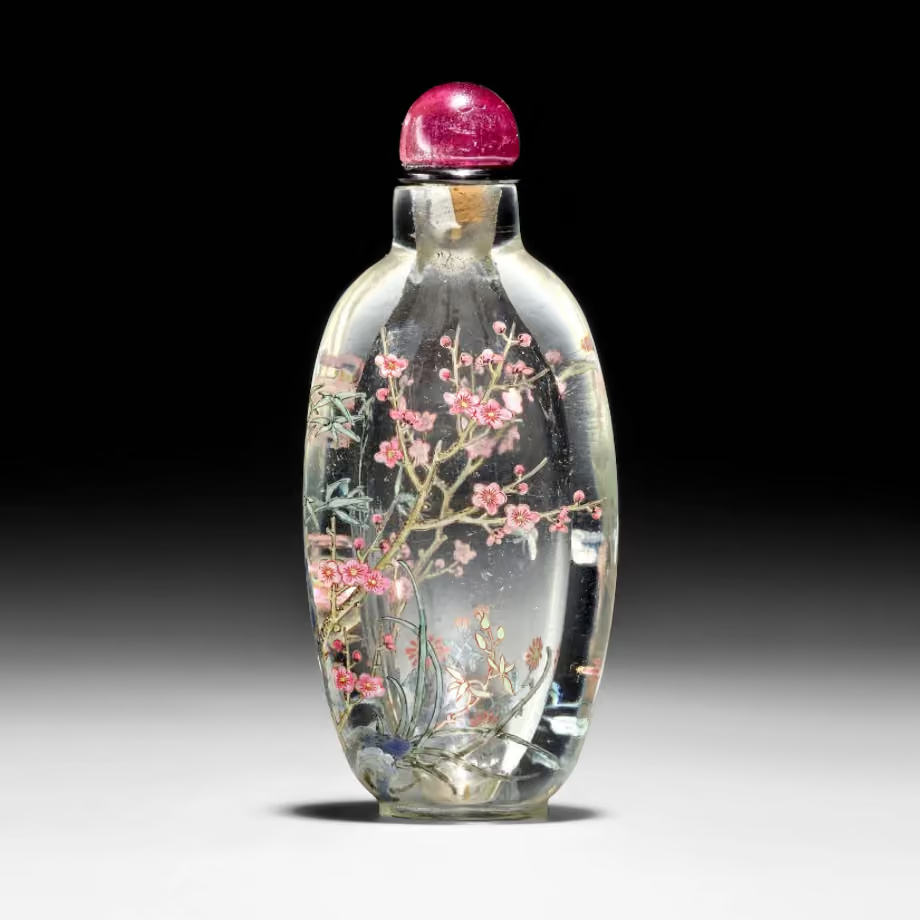
Hair crystal refers to rock crystal containing needle-like inclusions of rutile or tourmaline, resembling strands of hair. These inclusions are often used artistically in snuff bottles, particularly in inside-painted examples, where they enhance the visual composition. Specific types, such as "Red Rabbit Hair-crystal" and "Golden Hair-crystal," are noted for their distinct appearances. The Chinese name for this material translates directly to "hair crystal".
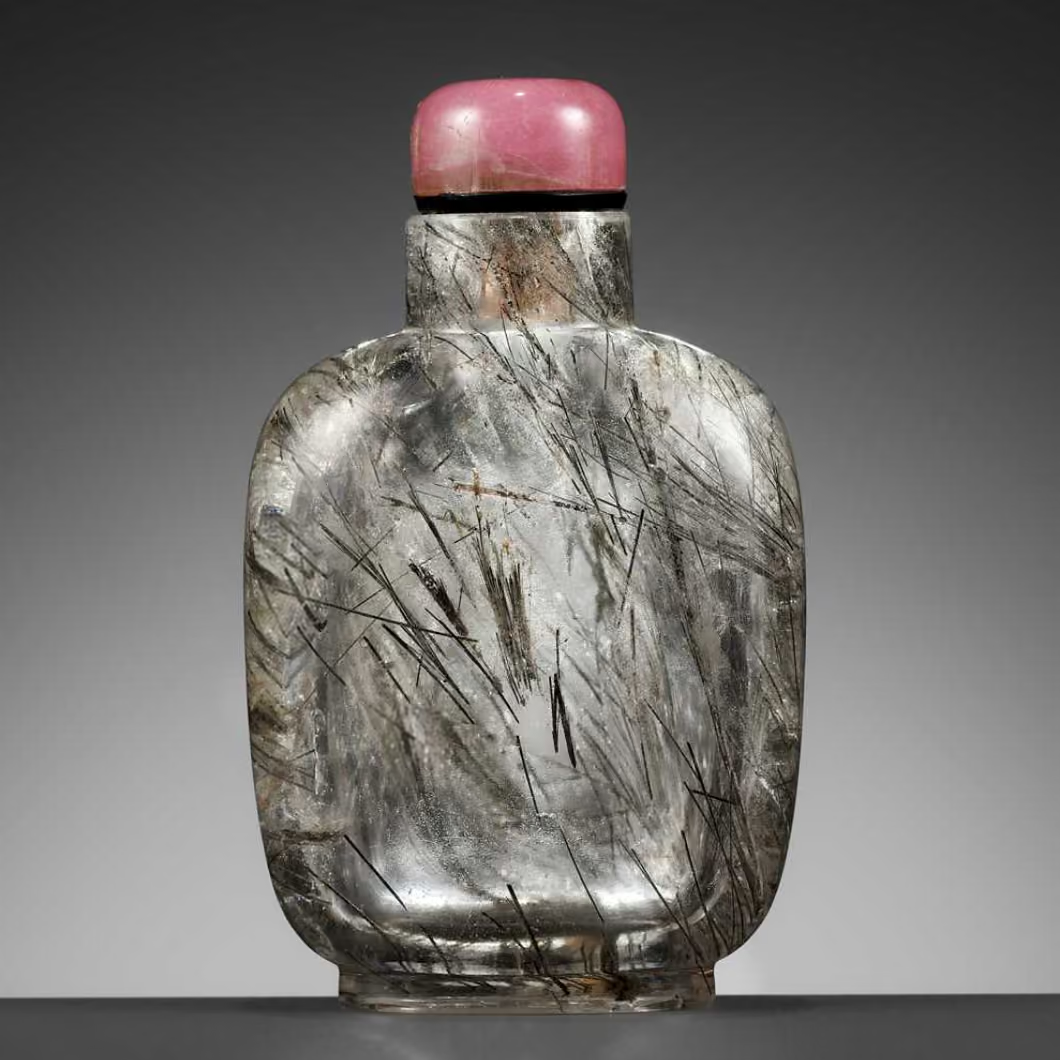
In the context of Chinese snuff bottles, "hardstone" refers to a variety of high-quality materials, including quartzes and other stones, that are worked similarly to jadeite and nephrite using abrasive lapidary techniques. These materials are often grouped with jade in Chinese contexts, reflecting a broader interpretation of the term "yu" that encompasses both traditional and alternative carving materials. Hardstones are valued not only for their durability but also for their aesthetic qualities and the craftsmanship involved in their creation.
The hare, often depicted alongside the rabbit, is a symbol with rich cultural significance in Chinese art and mythology. It is associated with longevity due to its role in pounding the elixir of life in Han dynasty mythology. The hare is also linked to the moon, often depicted in stories and art as a companion to the moon goddess Chang'e. In snuff bottle art, hares are sometimes shown in compositions that convey auspicious messages through visual puns and symbolic associations.
The Hebei school of inside painting was founded by Wang Xisan in the 1970s after he relocated from Beijing to Hebei province during the Cultural Revolution. Known also as the Ji School, it is a direct descendant of the Beijing school of the Ye family, with Wang Xisan being a third-generation student of this lineage. The school is notable for its rural roots, with many early masters being peasants, and it has become the most successful of all inside-painted snuff bottle schools in China today. This tradition, formed in the twentieth century, is now a major source of contemporary output.
Hetian refers to the oasis region of southern Xinjiang, historically known as Khotan, renowned for its high-quality nephrite jade. This region has been a significant source of jade since the Han Dynasty and became particularly important during the Qing Dynasty under the Qianlong Emperor, who valued jade highly and facilitated its increased production and use. Hetian jade is often associated with quality and origin, characterized by its weathered skin from river pebbles, and played a significant role in the artistic expressions of the Suzhou School.
Hollowing involves excavating the interior of a snuff bottle through its narrow neck, a process that demonstrates technical skill and affects the bottle's practicality for holding snuff. Proper hollowing should match the exterior contour of the bottle, enhancing the translucency and aesthetic appeal of materials like agate. While well-hollowed bottles do not necessarily indicate age, insufficient hollowing suggests the bottle may not be a pure snuff bottle, as it would be impractical for snuff storage.
Hornbill ivory, also known as "golden jade," is derived from the casque of the helmeted hornbill (Rhinoplax vigil), native to Southeast Asia. This material is prized for its ivory-like, keratinous composition, featuring a yellowish-white core with a vibrant brownish-red coating, making it ideal for cameo carving. Historically significant in Chinese art from the Song dynasty onward, hornbill ivory requires careful treatment to prevent disintegration. The material is now strictly protected due to conservation concerns.
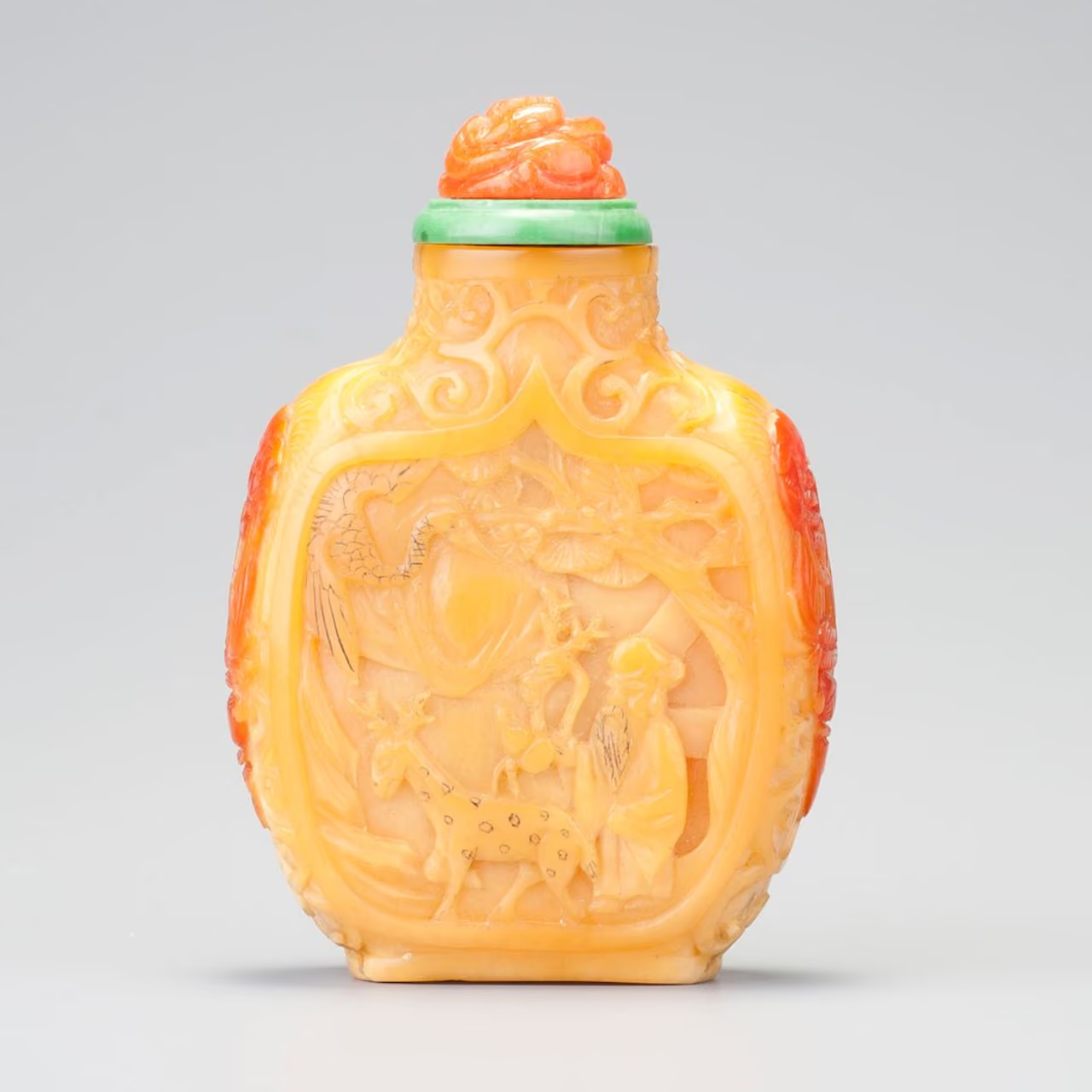
In Chinese culture, the horse is the seventh zodiac animal and symbolizes speed, perseverance, and the scholar's aspiration. It is often depicted in motifs like the "Eight Horses of King Mu," representing virtues and aspirations, and the "monkey on horseback" rebus, wishing for immediate promotion. Beyond these, the horse embodies excellence, noble dignity, and perpetuation, historically linked to ritual burials and the yang principle. It also appears in idiomatic expressions and allegorical designs, encouraging and recognizing gifted individuals.
Huanghuali is a prized type of wood known for its golden hue and figured translucent grain, historically significant in the creation of high-quality Chinese furniture, particularly during the Ming and Qing dynasties. It is celebrated for its use in exquisite pieces such as 17th-century screens and Ming dynasty folding chairs, often inlaid with materials like ivory and mother-of-pearl. While the current definition mentions snuff bottles, the Journal primarily highlights huanghuali's importance in furniture, not in snuff bottle production.
The "Hundred Antiques" theme, known in Chinese as "Bagu," refers to a decorative motif depicting assemblages of scholarly and antiquarian objects, such as bronzes, scrolls, and censers. Originating with Song dynasty scholar-officials who collected real antiques, this theme is depicted on snuff bottles and other art forms. The term "Hundred Antiques" is a Western misinterpretation of "Bagu," due to confusion between the characters for "extensive" and "one hundred." This motif underscores the snuff bottle's status as a scholar's object and is found across various artistic media, including porcelain, enamel, and inside painting.
The Imperial glassworks, established in 1696 near the Xi’an Gate outside the Forbidden City under the Kangxi Emperor, was developed with the technical assistance of European missionaries, particularly Jesuits. This glasshouse was part of the palace workshop system and produced a wide range of glass items, including snuff bottles, optical devices, and architectural glass. Known for their experimentation with forms and colors, the glassworks focused significantly on enameled glass production. The quality of production declined after the departure of the missionaries shortly before 1760, leaving only Chinese glassmakers to continue the work.
The term "imperial yellow" refers to a bright yellow color reserved under Qing sumptuary rules for the exclusive use of the emperor and his family, a tradition dating back to the Sui and Tang dynasties. This color, difficult to achieve consistently, implies a court association when found on glass and glazed porcelain bottles. However, while multiple shades of yellow were produced, only those of specific quality and provenance can be definitively linked to the imperial kilns established after 1696. Thus, claims of imperial origin should be scrutinized carefully.
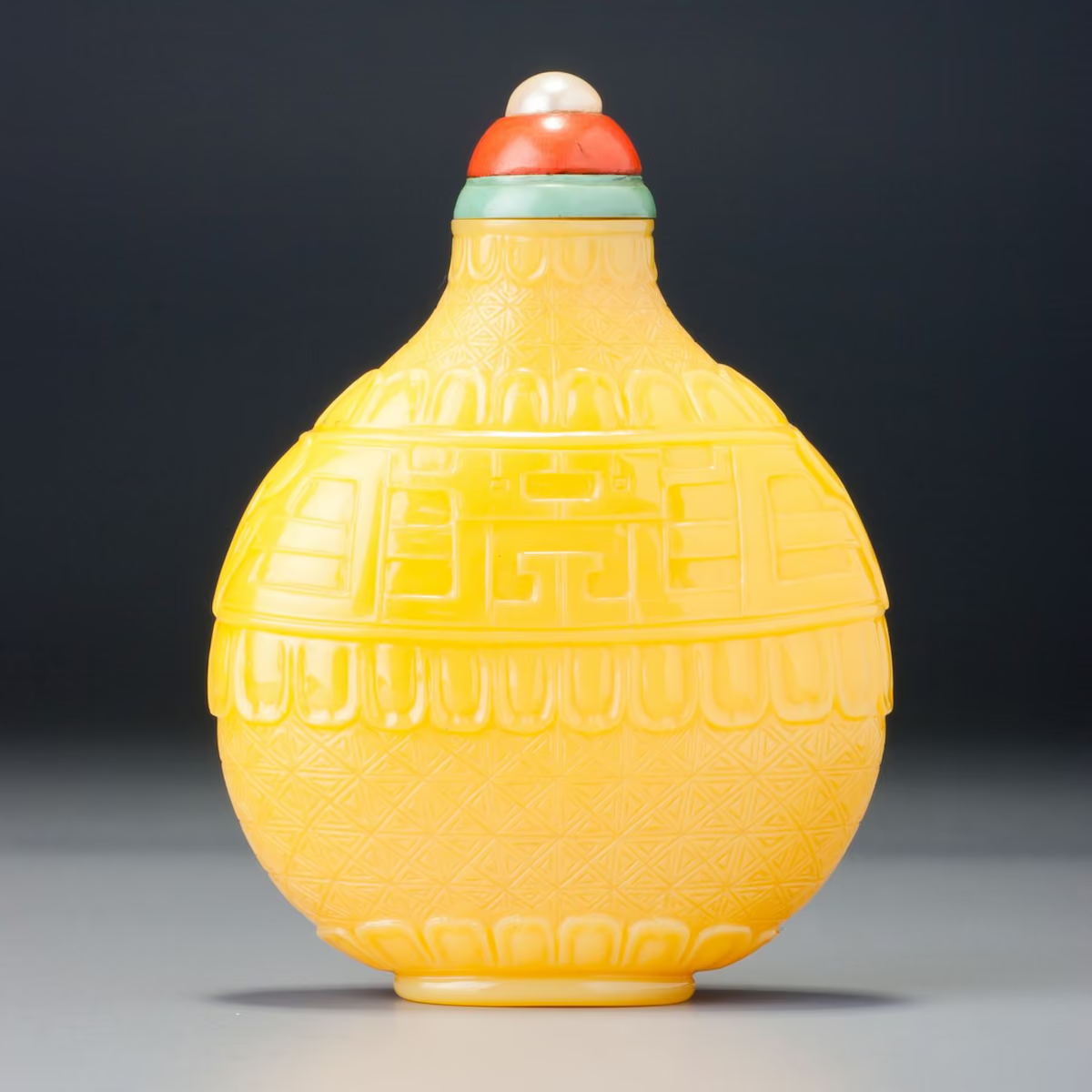
Incised decoration involves cutting designs into the surface of materials such as glass, crystal, porcelain, and bronze. This technique includes simple outlines without shading or filling, often seen in motifs like dragons and clouds. On porcelain, incised decoration can be combined with other techniques, such as famille-rose decoration. The style can range from detailed inscriptions to more naive, direct designs.
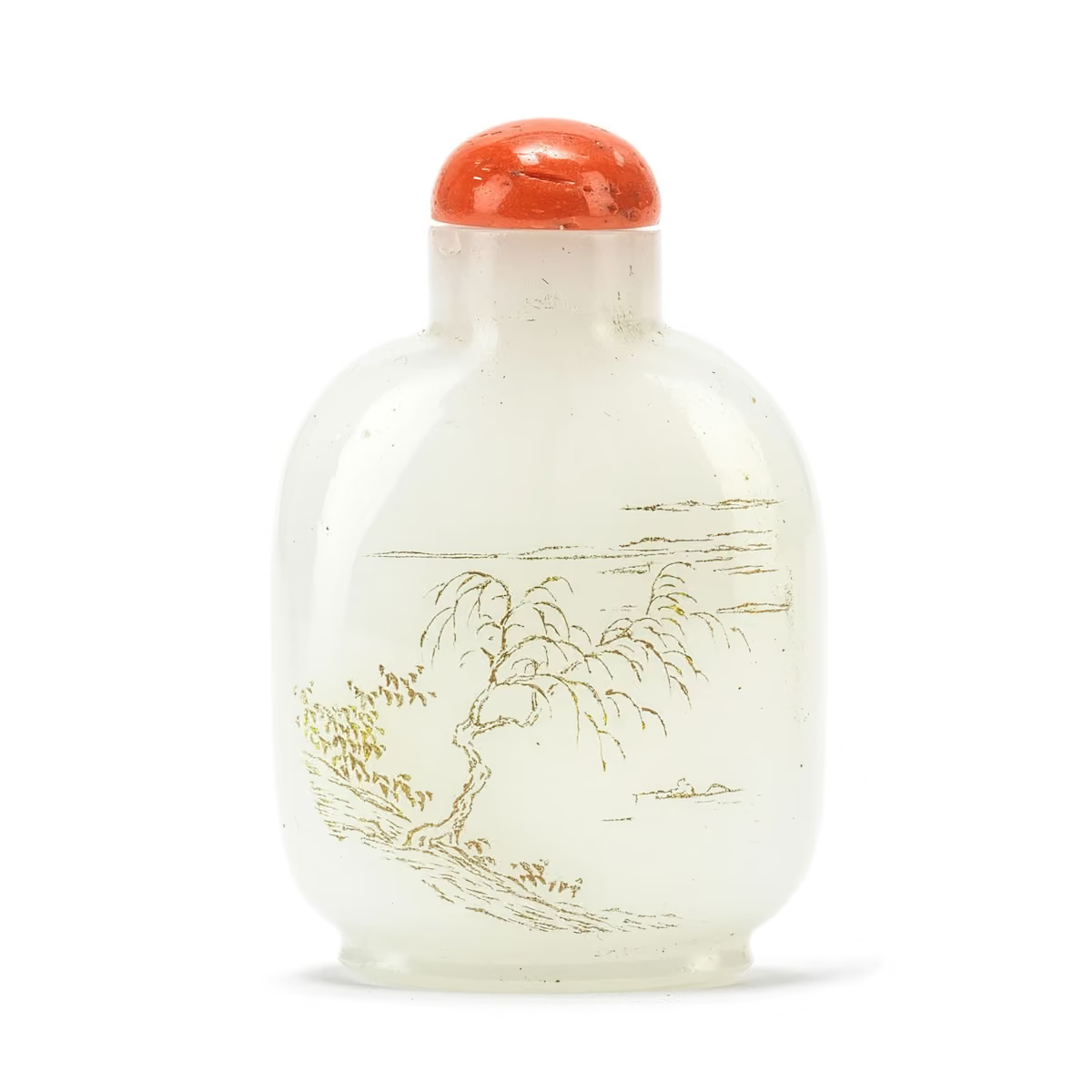
Interior wear in snuff bottles refers to the abrasion inside the bottle, particularly around the neck and base, resulting from prolonged use with a spoon. Genuine wear is characterized by soft, irregular patterns, indicating age and authenticity, while artificial wear, often more uniform, suggests attempts to fake age. The presence or absence of such wear informs judgments about a bottle's history and authenticity, as genuine wear patterns are typically random and irregular, contrasting with the mechanical regularity of artificial wear.
Snuff bottles were crafted to be appreciated through handling, allowing connoisseurs to judge them by their weight, balance, and surface texture. This tactile experience is akin to viewing a hand scroll, as turning the bottle in the hand reveals its artistic nuances and enhances appreciation. Handling also affects the bottle's patination, with frequently touched areas developing distinct wear and coloration over time. A bottle that photographs well but disappoints in the hand fails the test its makers intended.
Iron-red is an overglaze enamel derived from iron oxide, typically fired at low temperatures, and ranges in color from orange scarlet to brick tones. In the context of snuff bottles and other porcelain objects, it is commonly used for marking bases, such as with "Ku yueh hsuan" and "Ch'i,en-lung ni,en chih" marks, and is often paired with turquoise-blue and gold enamels for decorative stoppers. While the current definition highlights its use in dragon decoration, the Journal emphasizes its role in marking and accenting various porcelain pieces.
Ivory, particularly elephant ivory, has been a prized material for crafting snuff bottles, with significant historical use in China and Japan. While some ivory bottles were originally thought to be Chinese, many were later identified as Japanese works, often crafted for the Western market and sometimes marked with Qianlong reign marks to enhance their appeal. These bottles are noted for their fine craftsmanship, including techniques such as carving, painting, and staining, and reflect the artistic traditions of their respective cultures. The modern trade of ivory is heavily restricted under CITES, impacting its sale and shipment.
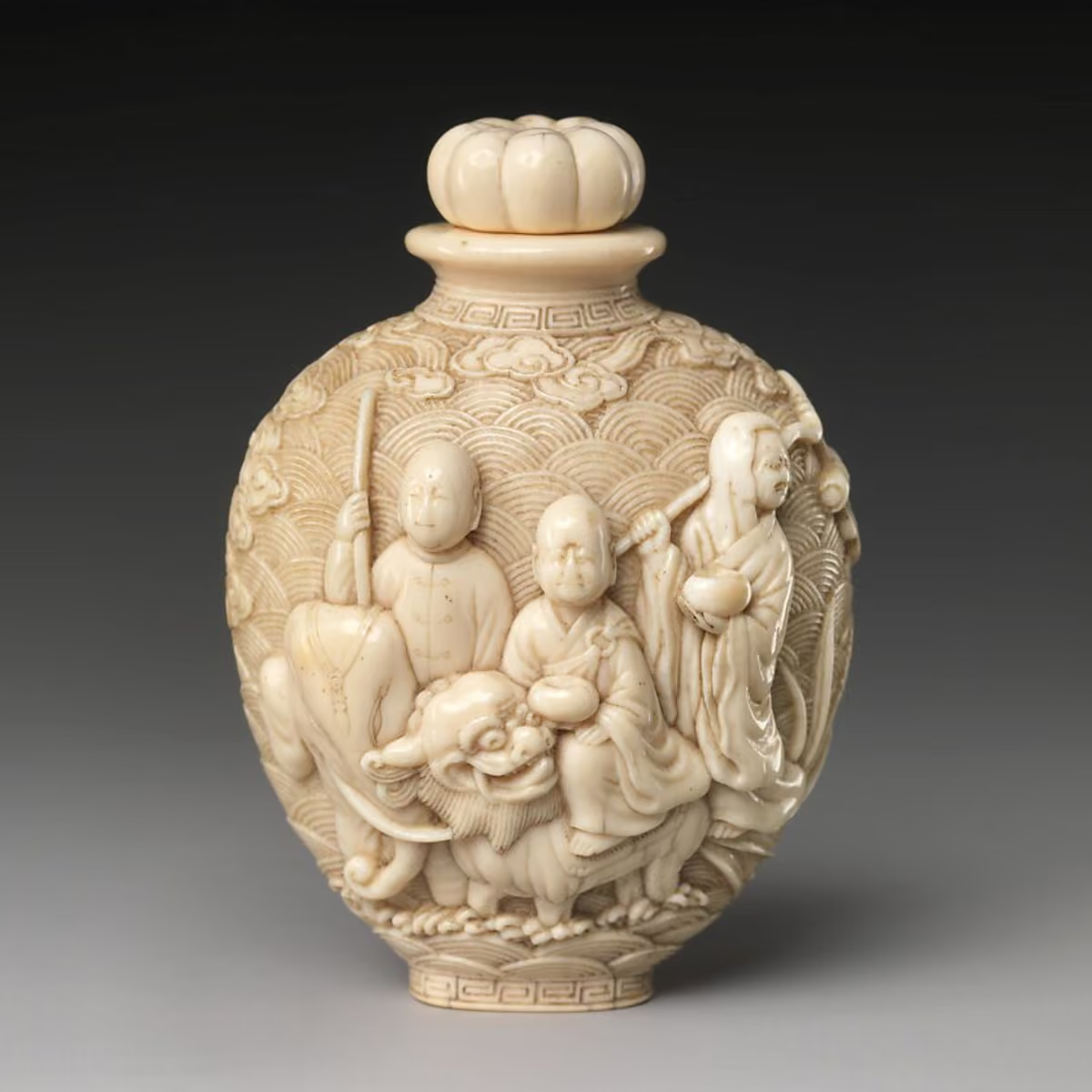
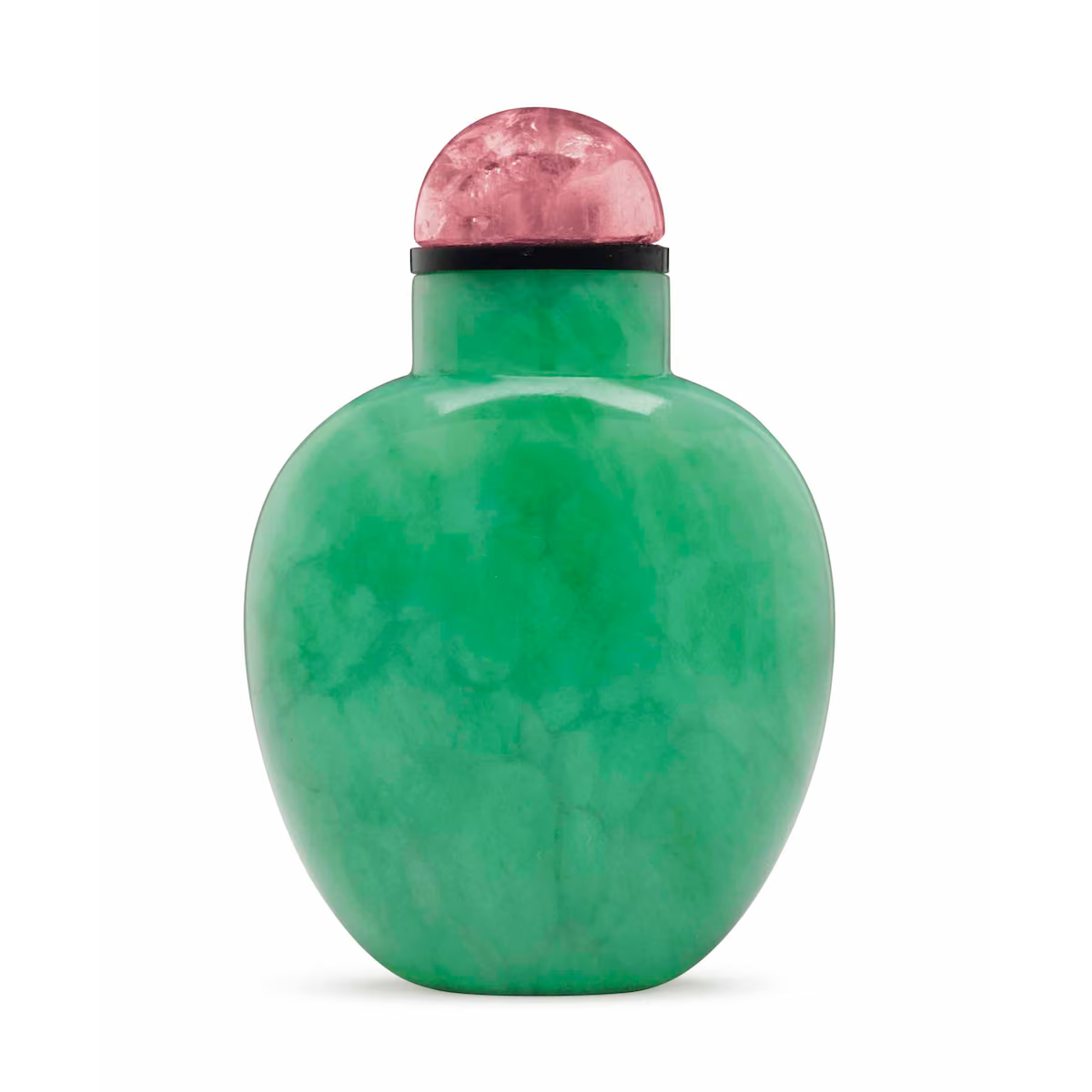
In Chinese usage, "jade" (yu) encompasses a broader range of hardstones than the Western definition, which is limited to nephrite and jadeite. Auction descriptions of snuff bottles often use "jade" for both minerals, necessitating closer identification to determine the specific material. White nephrite was particularly prized during the Qianlong era for its quality and aesthetic appeal. The term can also include other hardstones and imitations sometimes labeled as jade.
Jadeite is a pyroxene mineral imported from northern Burma, reaching China in significant quantities from the late eighteenth century, particularly during the Qianlong era. It is harder and more granular than nephrite, with a glassier luster and greater translucency, allowing for finer detail in carvings. Jadeite exhibits a wide range of colors, including emerald green, blue, lavender, russet, white, and yellow, with the vivid emerald green being especially prized in later Qing taste. Its introduction marked a cultural and artistic shift, as jadeite snuff bottles are generally later than their nephrite counterparts, serving as a useful dating consideration.
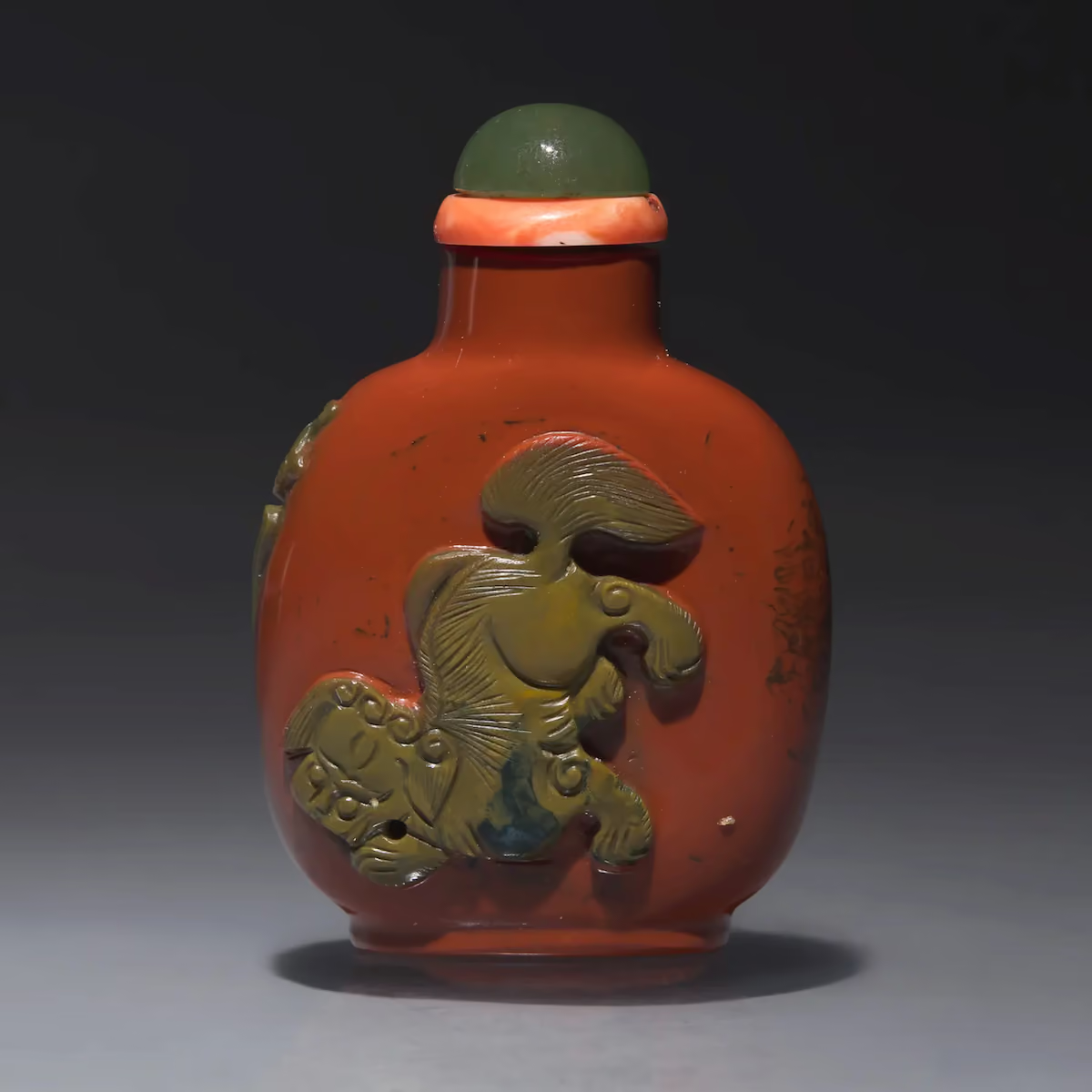
Jasper is an opaque form of chalcedony, a cryptocrystalline quartz, noted for its fine-grained texture and vibrant colors, most commonly red, green, yellow, or brown. It often features mottled or multi-colored patterns with irregular banding, making it a favored material for snuff bottles where strong color and pattern are prioritized over translucency. The Journal highlights specific types of jasper, such as bloodstone and prase, and its artistic use in snuff bottles, underscoring its significance in the field.
Jingdezhen, located in Jiangxi province, is a historically significant center of ceramic production, renowned since at least the sixth century. It gained prominence for its Ming blue and white wares and has supplied porcelain for both imperial and commercial purposes from the Ming period onward. The city's production, closely monitored by imperial appointees, resulted in a wide range of quality, and it remains the source of nearly all porcelain snuff bottles. Despite local disorders affecting production at times, Jingdezhen's influence on ceramic art continues to be significant.
Kaishu, or regular script, is a standard form of Chinese calligraphy frequently used for inscriptions on snuff bottles, often conveying poetic or descriptive content. It is commonly found on later and commercial wares, serving as a dating clue. Kaishu is also part of significant calligraphic works, such as the "Lanting Preface," and is sometimes used alongside other scripts like xingshu (running script) in artistic contexts.
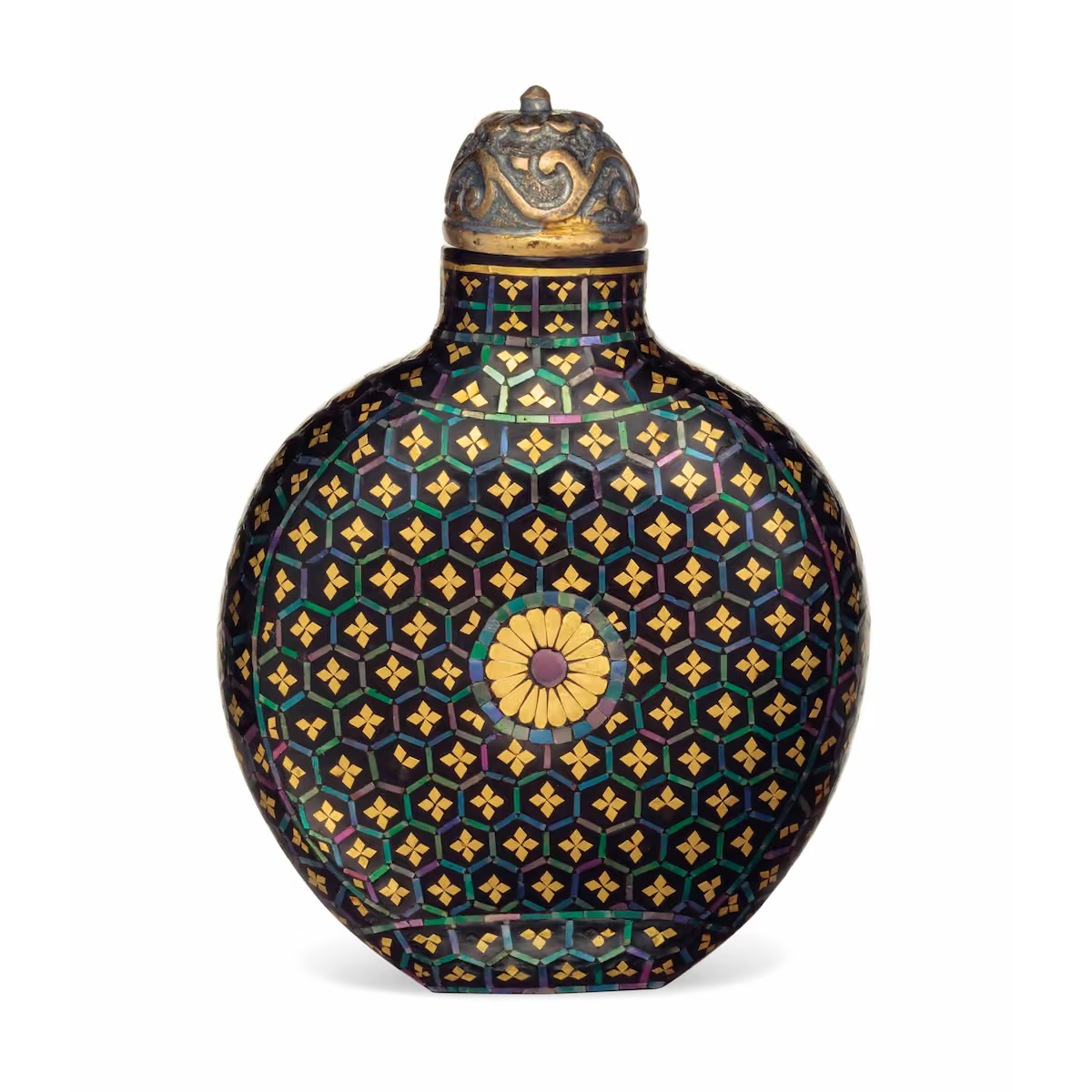
Lac Burgauté or Laque Bugrauté, refers to a style of snuff bottles primarily made in Japan, known there as Somada lacquer. These bottles are often marked with Qianlong seal marks and are noted for their craftsmanship. While Japanese examples are common, Chinese lac burgauté snuff bottles are relatively rare. The style became prominent after Japan opened to international trade in 1854, leading to the production of these distinctive bottles.
In Chinese art, landscapes are a central theme, often depicting mountains and water, and are a dominant subject in literati painting and inside-painted snuff bottles. These compositions are not only judged by spatial recession, brush economy, and the balance of void against incident but also embody philosophical and symbolic meanings, expressing harmony and a spiritual connection between the artist and nature. Landscapes are depicted using various materials and techniques, reflecting a superior sensibility and aesthetic refinement in the decorative arts.
The Lanting Xu, or Orchid Pavilion Preface, is a renowned calligraphic work by Wang Xizhi, composed during a poetry gathering at the Orchid Pavilion in 353 C.E. It is celebrated for its elegant brushwork in Running Script, describing the event with 324 characters arranged in 28 vertical lines. This masterpiece is revered as the most elegant model of Chinese calligraphy and has been reproduced by many artists, including Ding Erzhong, who depicted it on snuff bottles with both the pictorial scene and the complete text.
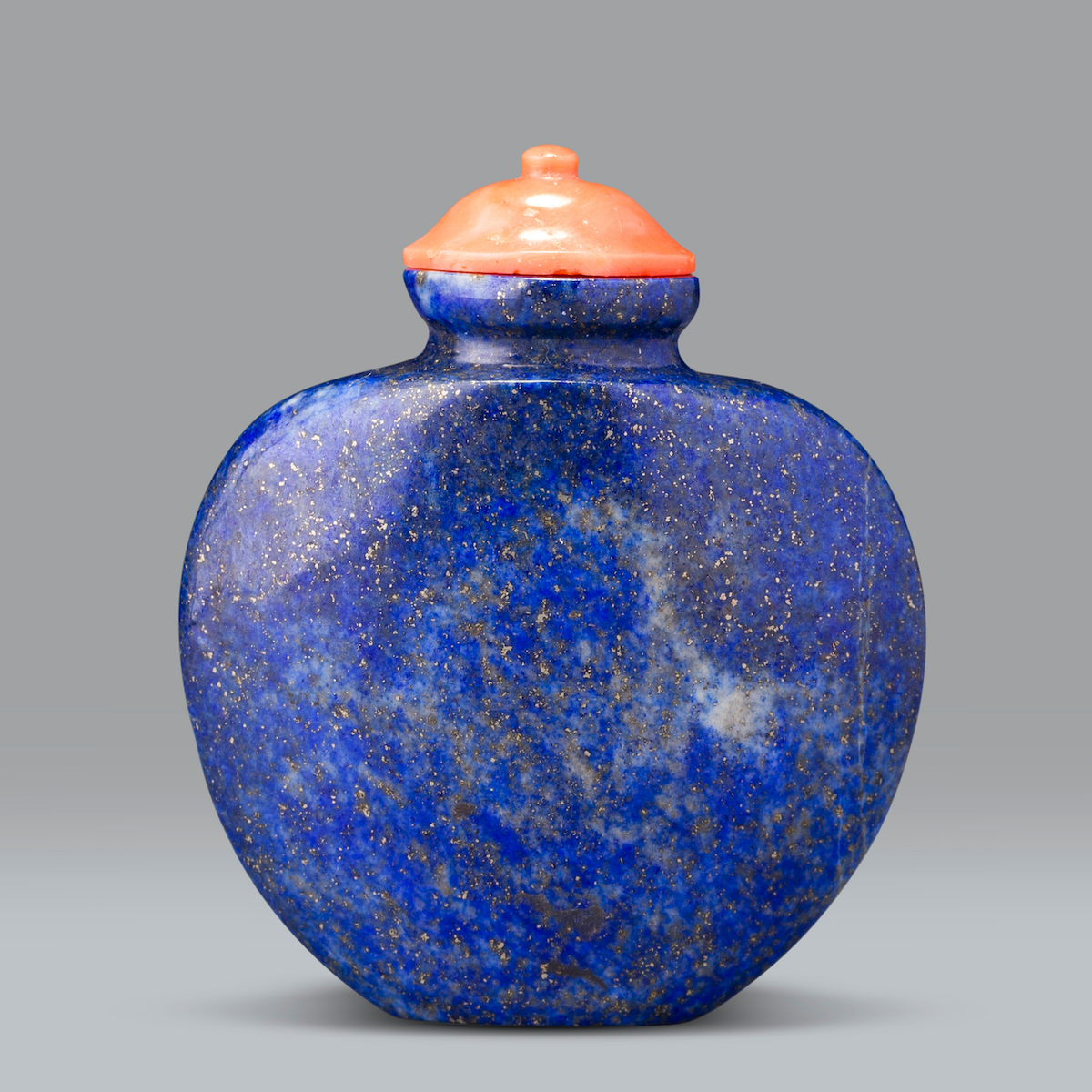
Lapis lazuli is a semi-precious stone known for its deep blue color, with inclusions of metallic pyrite and white calcite. Historically imported from Afghanistan, it became prominent in Qing dynasty court necklaces and snuff bottles, though it was not widely used in China until the mid-Qing period. Its distinctive appearance led to the creation of imitation bottles in glass, sometimes preceding the genuine stone bottles.
A later inscription refers to an inscription, signature, or date added to an object after its original creation, often to enhance its appeal or provide additional context. This practice is common across various materials and art forms, including glass, crystal, and paintings, where colophons or marks might be added later. Such inscriptions can serve multiple purposes, from increasing an object's interest to documenting ownership or scholarly commentary. The authenticity of these inscriptions can be assessed by examining tool marks, wear within the strokes, and the plausibility of the text relative to the object's original date.
The Lingnan school refers to a tradition of inside painting on snuff bottles that emerged in the Guangdong province, particularly Guangzhou, in the early 19th century. Key figures include Gan Xuanwen, who played a major role in either the invention or popularization of the art, and Chen Quan, another notable artist. This school is characterized by its literati artists and a style that emphasizes spiritual quality and simplicity, distinguishing it from the more technically focused northern schools. The Lingnan style often features varied palettes and subjects, with many works unsigned or bearing unreadable names.
Lingzhi, often depicted on snuff bottles, symbolizes immortality and longevity. It frequently appears in decorative borders or as part of scenes, alongside other symbols of longevity such as cranes, pine trees, and sometimes carried by immortals or animals like deer. The motif is also noted for its energizing properties. While the current definition mentions the use of colored skin in hardstone carving, this aspect is not specifically discussed in the retrieved Journal passages.
The lip of a snuff bottle is the rim of its mouth, noted for its shape, such as flat or slightly everted, and its finish, which can be flat, rounded, or beveled. Its condition is routinely noted in catalog descriptions, with minor nibbling often tolerated. Historically, the proportions of the lip and mouth have varied across different periods and styles, impacting both the bottle's aesthetics and its functional role in controlling the amount of snuff taken. A ground-down lip to remove damage can shorten the neck and alter the bottle's proportions.
Rising unstained from mud, the Buddhist emblem of purity, and through the pun on lian, continuity, a wish for uninterrupted blessings, sons in succession, or incorruptible office. Lotus scroll grounds also carry Buddhist and archaistic associations in enamel work.
Macaroni agate is a collectors' term for a type of chalcedony characterized by clusters of parallel tubular inclusions that resemble macaroni in cross-section. The Chinese refer to this pattern as "Dun Chou Ma Now," likening it to a type of straw used in oil lamps. This agate variety is typically darkish brown and cream in color, and bottles are often carved to highlight its unique pattern. It is one of several fancifully named agate varieties that form a distinct collecting niche.
In Chinese culture, the magpie is a symbol of joy and happiness, often depicted on snuff bottles alongside prunus trees. This bird is believed to bring good news and luck, especially when it nests near a house. The depiction of two magpies can double the wish for happiness, a motif commonly seen on marriage bottles. Additionally, the magpie's presence in narratives, such as a story where the number of magpies on a bottle magically increases, highlights its role in conveying auspicious messages.
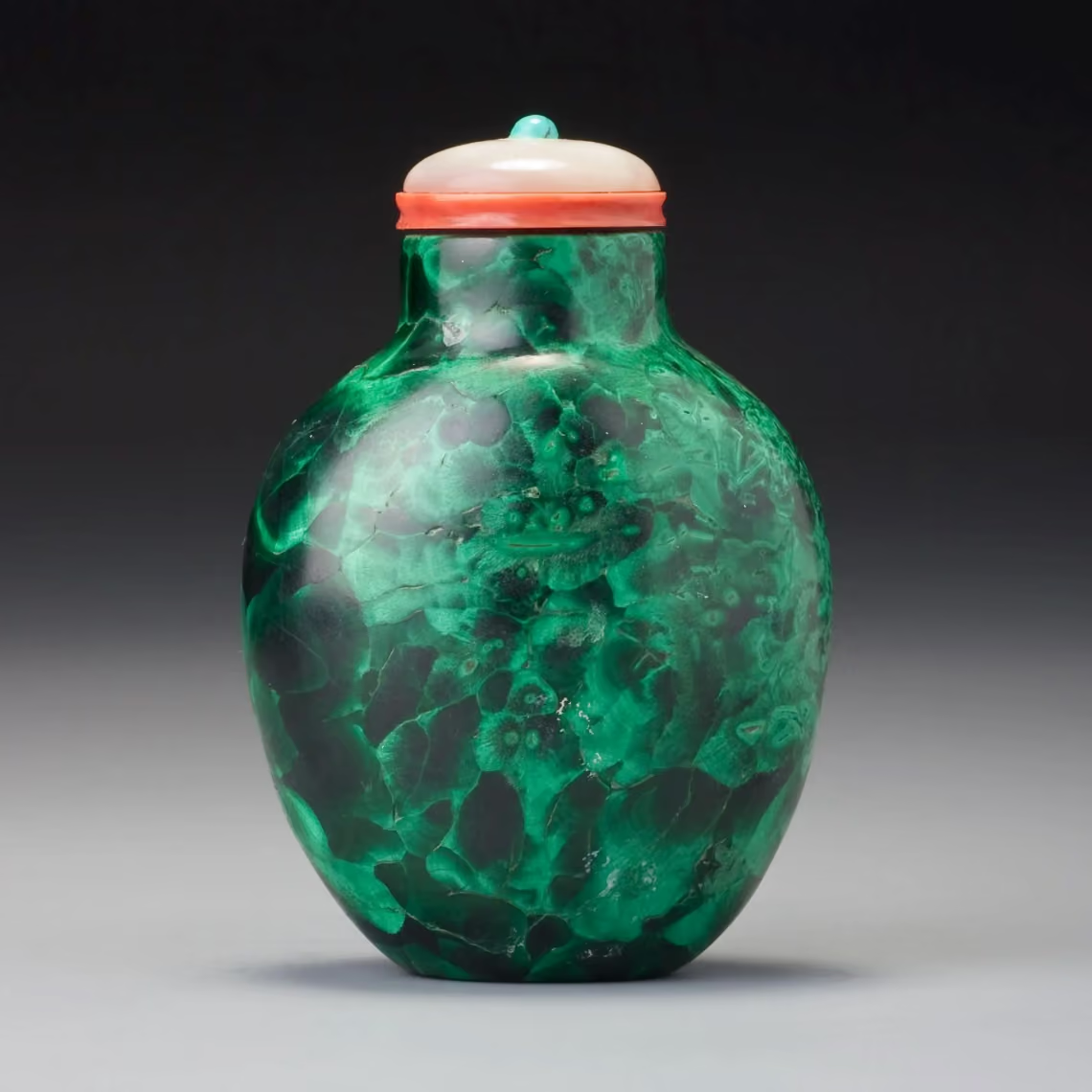
Malachite is a banded green copper carbonate mineral known for its distinctive dark and light green concentric patterning, which is revealed through polishing. It is typically used in simple forms to highlight its banding, with fine detail being rare. Historically, malachite was used in snuff bottles primarily for the collectors' market in the late nineteenth and twentieth centuries.
The term "mang" refers to a four-clawed dragon associated with ranks below the emperor, such as princes, nobles, and high officials. In contrast, the "lung" dragon, with five claws, was reserved for the emperor. Over time, the distinction based on claw count eroded, as many individuals entitled to the mang dragon added a fifth claw, and others did so without entitlement. This means that while claw count can support a court association, it does not definitively establish one.
In catalog language, "mark and period" certifies that a piece bears a reign mark and was actually made during that reign, indicating authenticity and historical accuracy. This designation requires substantial evidence from material, palette, and workmanship to support the claim. The absence of this phrase alongside a mark suggests uncertainty about the object's authenticity or period, highlighting the importance of stylistic features and quality in attributing a piece to a specific era.
Mask-and-ring handles are decorative elements on snuff bottles that resemble animal masks holding rings, inspired by archaic bronze fittings. These motifs, often referred to as "mock mask and ring handles" when purely decorative, are prevalent in various materials such as glass and porcelain. They are also known by different names in auction and museum catalogs, including "lion mask and ring handles" and "taotie masks with rings," reflecting their historical and cultural significance. Their presence, absence, or condition on a bottle can provide insights into its origin and style, though they are not reliable dating tools due to their long-standing popularity in Chinese art.
Micro-engraving is a technique involving the use of carborundum or diamond-pointed tools to inscribe minute details on glass or porcelain snuff bottles, often requiring magnification to appreciate the intricate artistry. This method, notably associated with Zhou Honglai around the turn of the twentieth century, also involved artists like Jueshan. The technique sometimes employed black shoe polish to reveal the engravings more clearly.
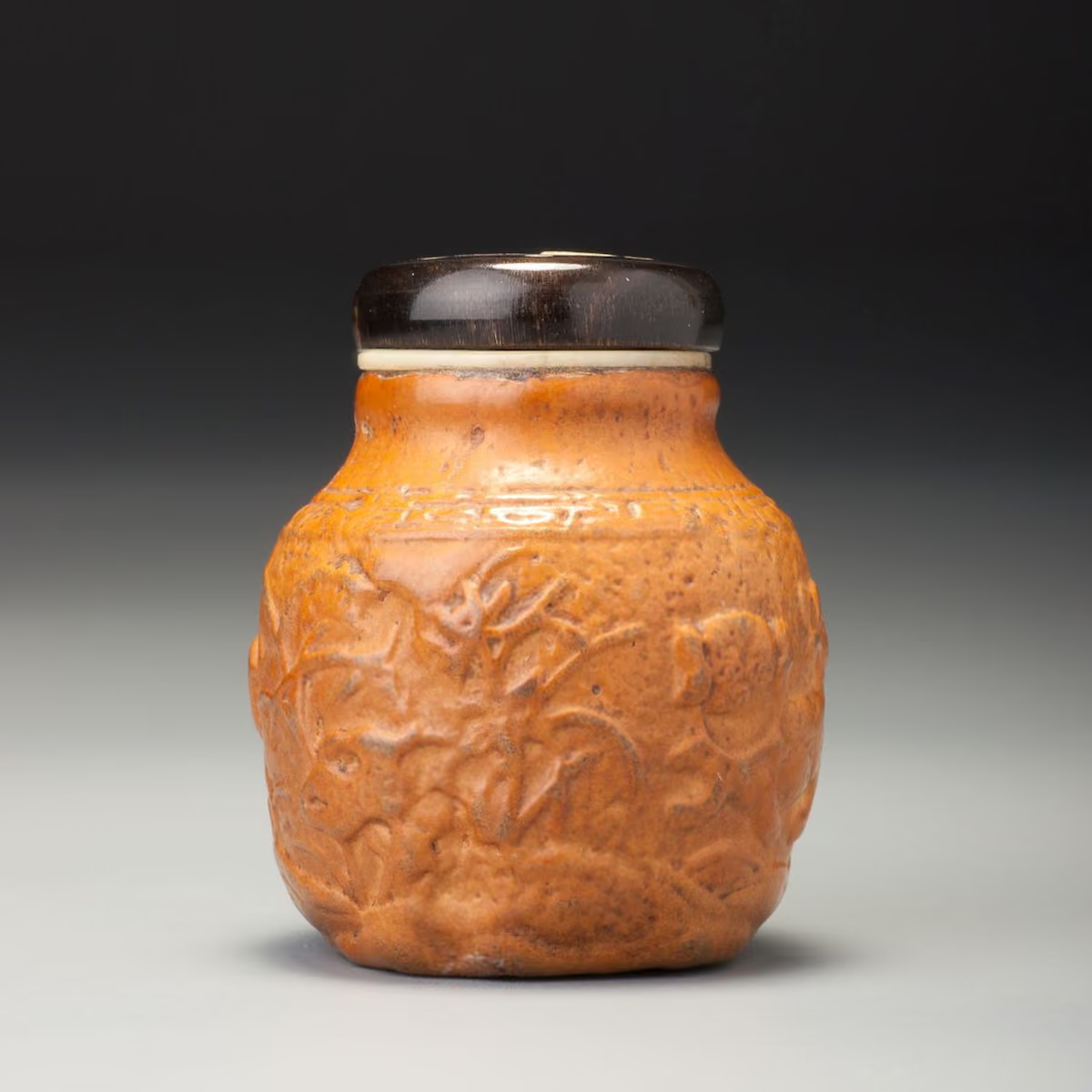
Molded gourds are created by growing gourd buds inside molds to form specific shapes and designs, a technique notably patronized by the Kangxi and Qianlong courts. This process, which was technically challenging and required numerous attempts, produced objects such as snuff bottles and cricket cages, often inscribed with reign marks or decorated with intricate designs. Genuine molded examples are distinguishable by their slightly softened molded designs and a warm honey surface that deepens with age. The cultural significance and Imperial patronage of these objects highlight their historical importance.
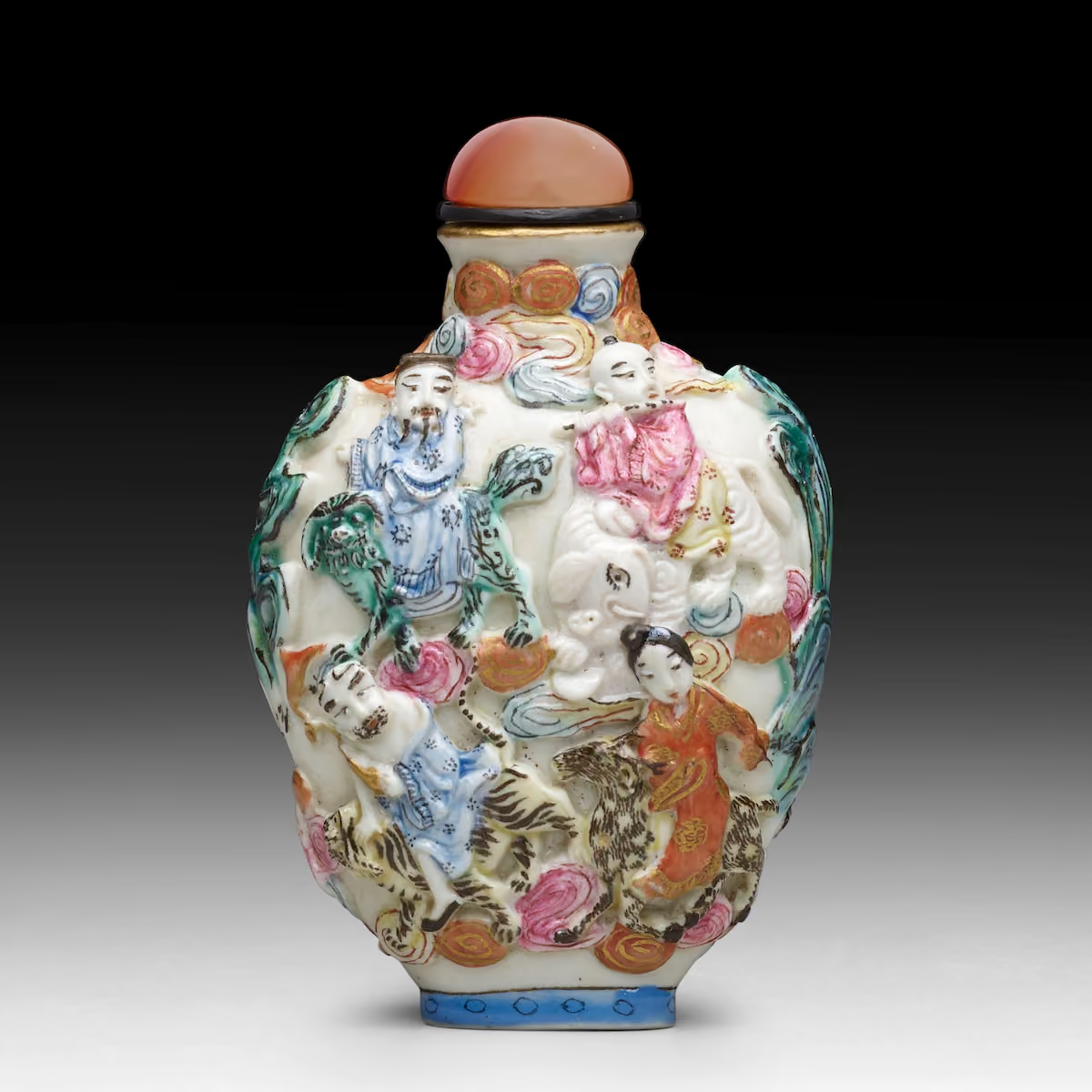
Molded porcelain snuff bottles are crafted using molds to create high relief and detailed designs, often depicting motifs such as Buddhist emblems and Foo lions. These bottles are typically enameled or glazed in vibrant colors, including famille rose, and are known for their intricate relief work. Production was especially prominent during the Jiaqing and Daoguang periods. While traces of mold seams may be present, the emphasis is on the crisp, detailed relief achieved through the molding process.
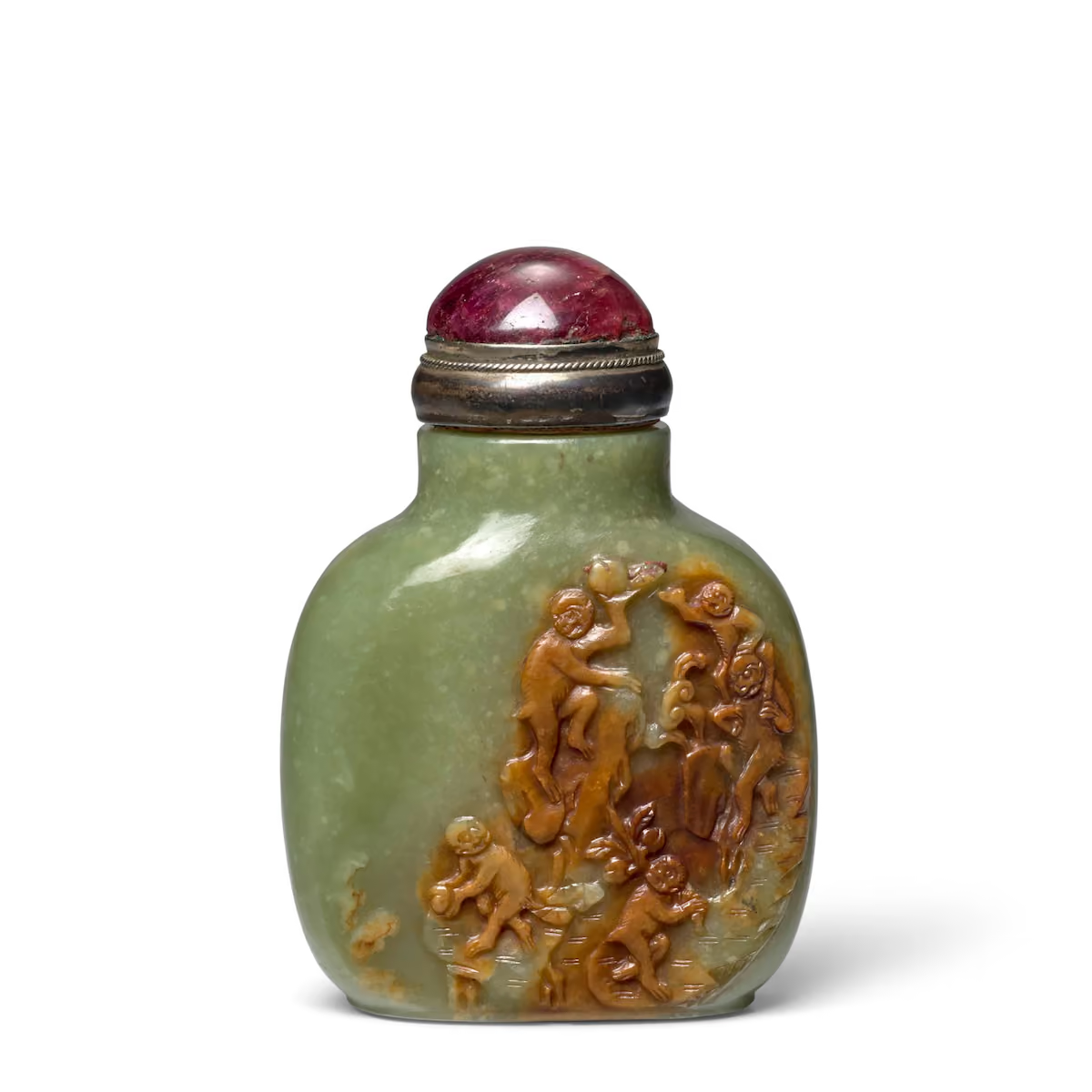
In Chinese culture, the monkey is the ninth animal of the zodiac and symbolizes longevity, often depicted holding peaches, which represent immortality. Through a pun on "hou," meaning marquis, the monkey conveys wishes for high rank, especially when shown on horseback, symbolizing "mashang fenghou" or immediate high rank. The monkey is also associated with Sun Wukong, the Monkey King from "Journey to the West," known for his mischievous nature and the peach orchard episode. These symbolic meanings are frequently reflected in snuff bottle designs.
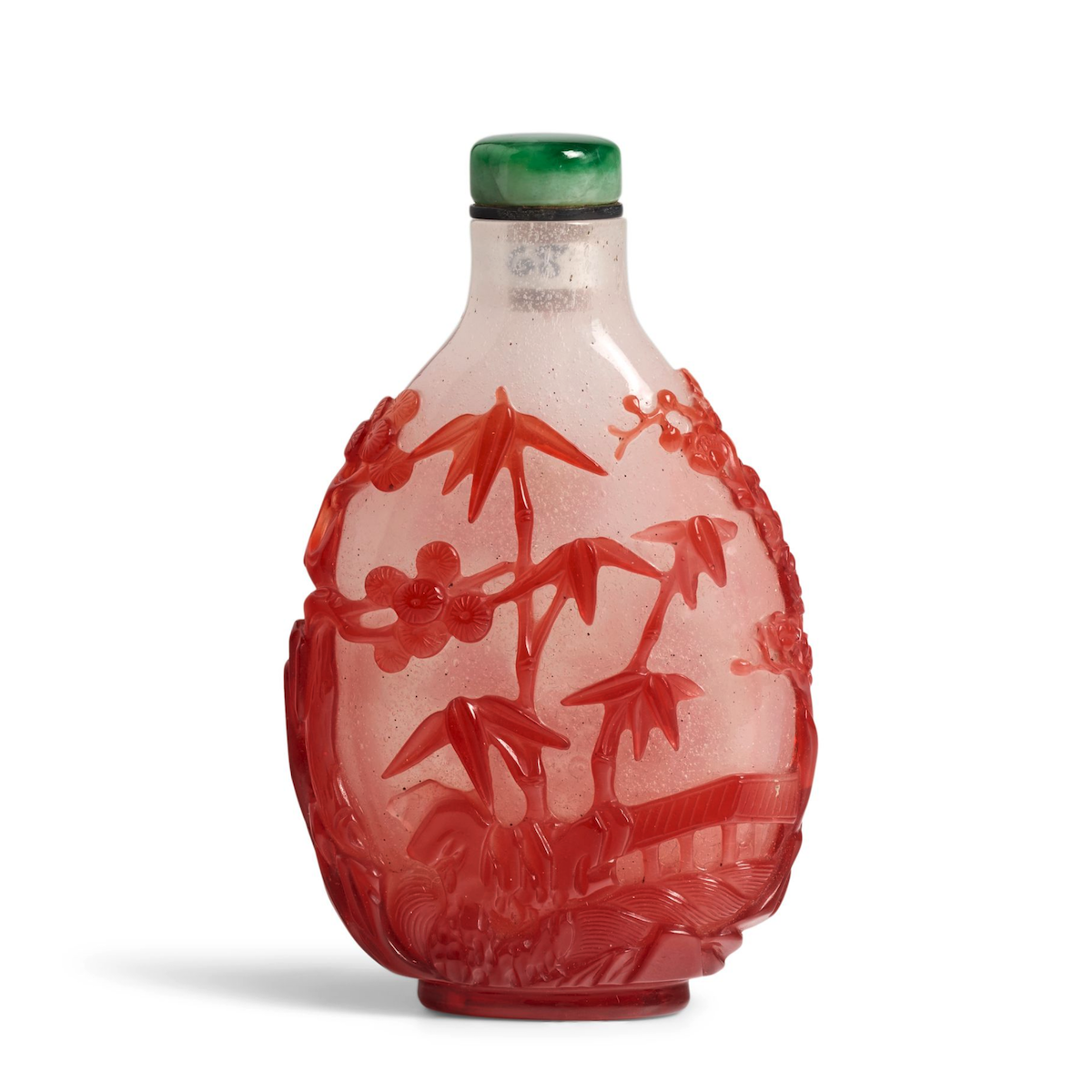
Monochrome glass refers to snuff bottles made from a single color of glass, often associated with the earliest production of the imperial glasshouse established by the Kangxi emperor in 1696. These bottles come in a variety of colors, including red, white, yellow, brown, sapphire blue, and green, and can feature inclusions or carvings. They are prized for their fine quality and have been found in tombs of court officials, reflecting their historical significance and aesthetic appreciation within the Qing dynasty's court.
Moss agate is a type of chalcedony characterized by dendritic inclusions that resemble moss, ferns, or landscapes, typically formed by manganese oxide (black or brown) or chlorite (green). While the term originally referred to stones with green mineral inclusions, it now includes those with brown or black inclusions as well. Importantly, these stones should not be classified as true agates unless they exhibit a pattern of curved bands. In snuff bottles, the aesthetic appeal often lies in the artistic incorporation of these inclusions into the carving design.
Mother-of-pearl is an iridescent material used in the creation of snuff bottles, often carved in shallow relief or cut into tesserae for inlay work. It is also employed in broader decorative applications, such as temple decorations and religious artifacts, and can be combined with other materials like silver in the making of boxes. While the Journal highlights its use in these contexts, it does not confirm that the iridescence is easy to authenticate or that it cannot be convincingly imitated.
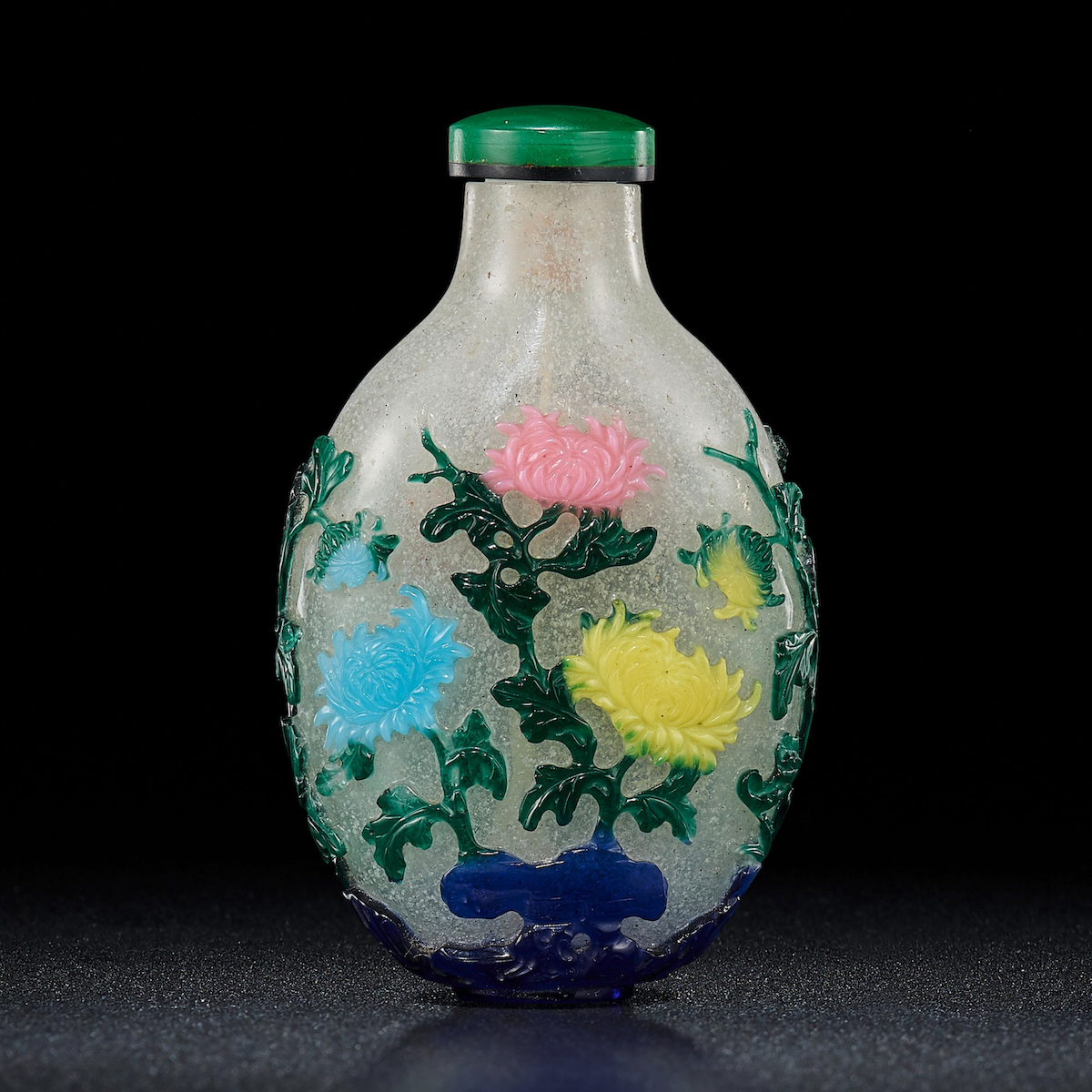
Multi-color overlay refers to a decorative technique used in glass snuff bottles where multiple layers of colored glass are applied and carved to create intricate designs. This method allows for a rich interplay of colors, often featuring motifs such as dragons, floral patterns, or animals. The technique was prominent in the eighteenth and nineteenth centuries, with notable examples attributed to the Yangzhou School and the Palace Workshops in Beijing.
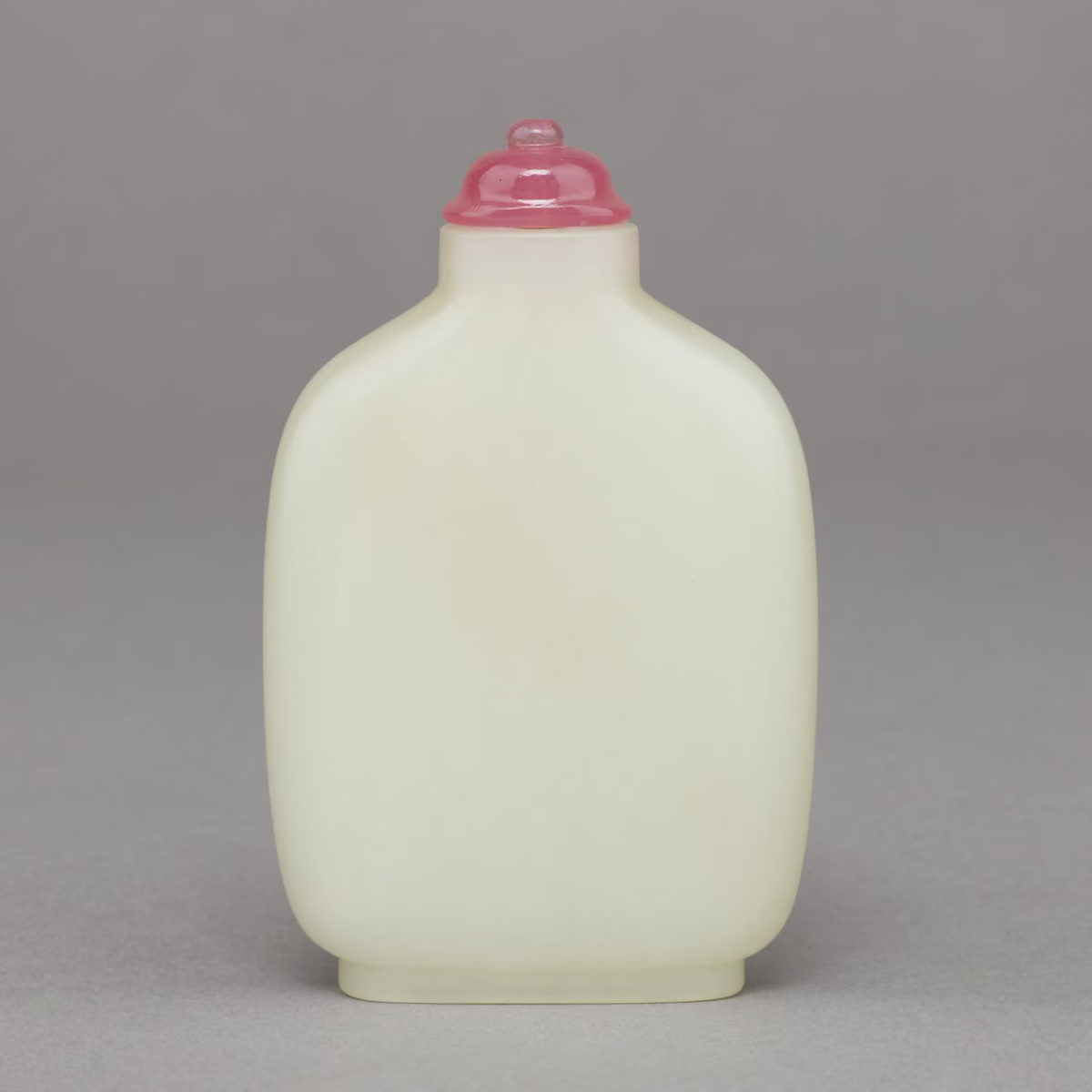
Mutton-fat jade refers to a highly prized grade of white nephrite, known for its fine quality and esteemed appearance. Historically, this type of jade was associated with high value and was particularly sought after by officials and merchants, as noted in the context of snuff bottles. The term highlights the cultural significance and desirability of this jade variety, though the Journal does not explicitly mention a "faintly greasy in luster" characteristic.
The neck of a snuff bottle is the short cylindrical passage connecting the lip to the shoulder, through which the bottle is hollowed and filled. It is often described by its shape, such as cylindrical or flaring, and may feature decorative elements like borders or motifs. The neck's design not only serves an aesthetic purpose but also affects the compatibility with stoppers, making it a technical and artistic aspect worth examining closely. Necks are particularly vulnerable to cracks from stopper pressure, so inspecting them under magnification is advisable.
Inside painting, or "Neihua," is a meticulous art form where artists paint in reverse on the interior walls of transparent snuff bottles using a fine, hooked brush. This technique, which developed significantly during the late Qing dynasty, involves intricate depictions of traditional Chinese themes such as figures, animals, flowers, birds, and calligraphy, primarily on glass or rock crystal bottles. The art is valued for its cultural and historical significance, often serving as items of flattery, historical record, or familial piety, with major schools including Beijing and notable artists like Zhou Leyuan elevating the craft.
Nephrite is a calcium magnesium amphibole and the primary jade used in classical China, known for its fibrous structure that provides exceptional toughness, allowing for thin walls and fine undercutting. Historically sourced from regions like Khotan and Yarkand, it ranges in color from white to dark green, with "mutton fat" white being particularly prized. Unlike jadeite, nephrite has a specific gravity close to 3 and a hardness of 6.5 on the Mohs scale, contributing to its historical and cultural significance in Chinese jade carving.
The retrieved passages do not provide any information on the term "nibbling" in the context of snuff bottles. The current definition, describing "nibbling" as minute chips on the lip or foot rim due to handling and stopper contact, is not supported by the archive. There is no mention of "nibbling" as evidence of age or as an indicator of re-polishing in the retrieved passages. Therefore, the definition cannot be revised based on the available archive content. Further research or additional sources may be necessary to accurately define this term.
The 'One Hundred Boys' motif symbolizes the wish for many sons and abundant descendants, a deeply rooted desire in Chinese culture. This theme is often depicted in art, including inside-painted snuff bottles, where it is celebrated for its intricate and controlled compositions. The motif is sometimes associated with the legendary Duke of Zhou, Wen Wang, who is said to have had ninety-nine children and adopted one more, symbolizing generosity and the wish for numerous progeny. The number one hundred is used to denote a superlative, expressing a wish for prosperity and continuity of lineage.
Overlay glass involves layering one or more contrasting colors of glass over a base color, then carving away sections to create a raised design. This technique, noted for its complexity and artistry, is particularly associated with imperial collections and often features specific color combinations and motifs. Creating bottles with multiple overlays requires precise planning and execution, showcasing the skill of the artisans. The historical significance and technical challenges of overlay glass are emphasized in the Journal, highlighting its esteemed place in snuff bottle craftsmanship.
In the Journal, the ox is depicted as a domesticated bovine animal integral to agriculture, often used for plowing fields and heavy labor. It holds the second position among the twelve zodiac animals and is part of the 'six domesticated animals' theme in Chinese art. While sometimes confused with the water buffalo, the ox is distinct in its physical characteristics and symbolic roles. The ox is also an emblem of wealth and historical significance in Chinese society.
In Chinese symbolism, paired fish are one of the Eight Auspicious Emblems, representing marital harmony and abundance. They are often depicted tied at their heads, a motif found in various art forms, including snuff bottles. The Journal does not specifically mention the pun on "yu" or the use of underglaze blue and carving techniques for depicting paired fish.
An alloy of copper, nickel, and zinc, known for its silvery white luster and resistance to tarnish, used for bottles and stopper collars. The Chinese name "pei-t'ung" means white brass or silvery metal. Historically, paktong was used in China for items like water-pipes, mirrors, and incense burners, and in Europe for candlesticks and fireplace grates. It was often mistaken for silver due to its appearance, though it has a warmer tone. By 1830, Europe developed a similar alloy known as German silver, composed of copper, zinc, and nickel, which became a base for silver plating.
The Palace workshops, or Zaobanchu, were imperial workshops established by the Kangxi Emperor within the Forbidden City, responsible for producing a wide range of high-quality items for court use, including snuff bottles made from materials such as glass, jade, and porcelain. These workshops were part of the Imperial Household Department and engaged skilled craftsmen from across China, with oversight to ensure quality, sometimes involving the reigning emperor directly, as seen with the Qianlong Emperor's personal involvement. The workshops also included contributions from European missionaries, particularly in glassmaking, reflecting a blend of Chinese and Western techniques. Attribution to these workshops is highly prestigious and requires substantial evidence due to their historical significance and superior craftsmanship.
Panels on snuff bottles are flattened or recessed areas that serve as primary fields for decoration, often featuring carved, painted, or inscribed motifs. These panels can vary in shape, including round, oval, or irregular forms, and may be located on the main sides, neck, or shoulder of the bottle. They are frequently framed or bordered with decorative elements, such as cloisonné or raised rims, enhancing their visual appeal. The edges of panels are sometimes checked for signs of re-polishing to assess the bottle's condition.
The term refers to the natural surface character a snuff bottle acquires over time through handling and exposure, resulting in uneven wear and discoloration in logical places. This patina involves both visual and tactile changes, enhancing the bottle's historical and aesthetic value. It is distinct from dirt, and a crisp, glassy modern polish where patina should be may signal re-working or recent manufacture.
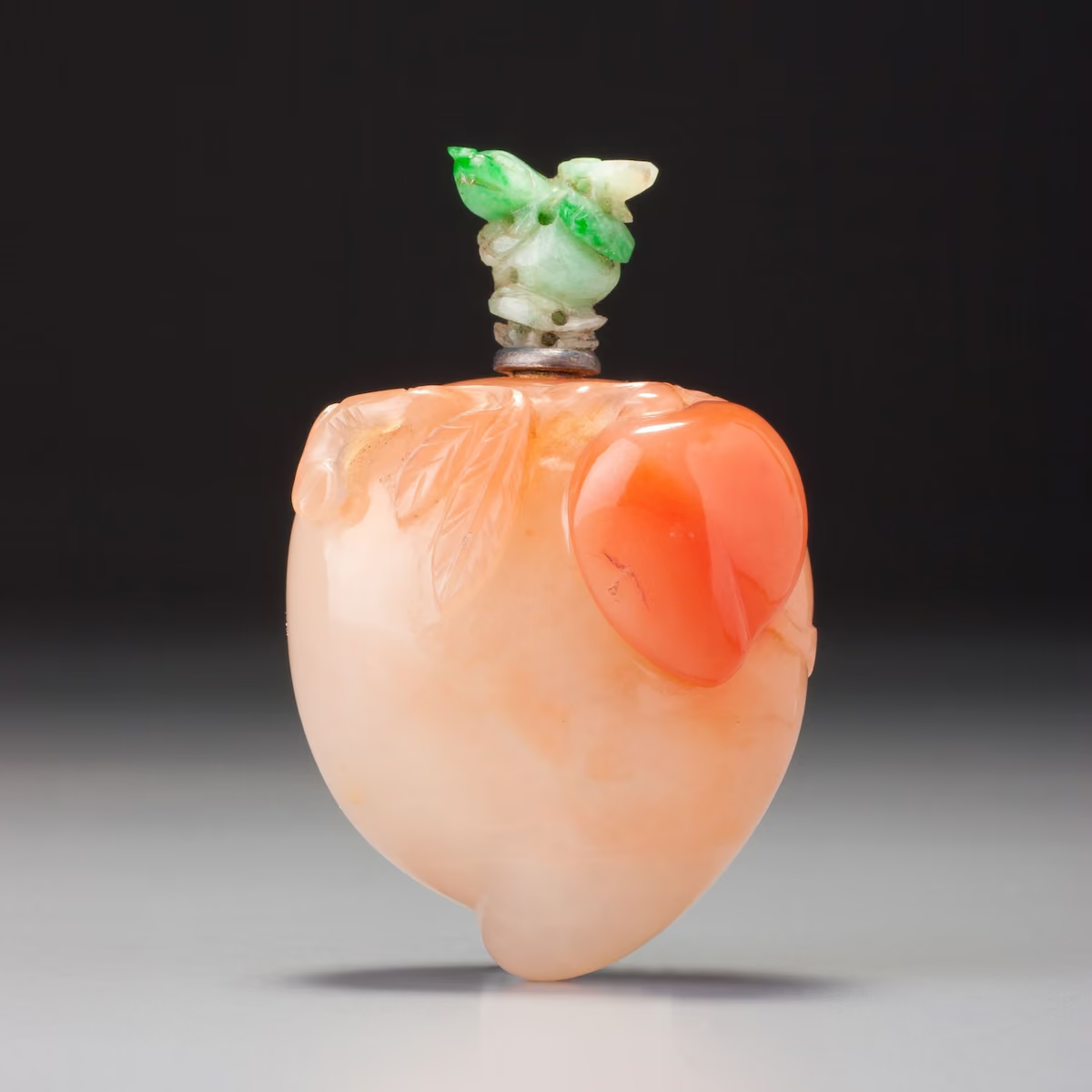
In Chinese culture, the peach symbolizes immortality and long life, originating from the Queen Mother of the West's orchard, where magical peaches grant eternal life. This emblem is often depicted with Shoulao, the God of Longevity, and accompanied by bats or monkeys, enhancing its auspicious connotations. Peach motifs are prevalent in art, including snuff bottles crafted in jade and other materials, embodying wishes for longevity and good fortune. The peach also appears in cultural narratives like the "Peach Blossom Spring," symbolizing an idyllic utopia.
A pebble-form bottle retains the natural rounded contour and often the weathered skin of the original pebble, minimally shaped beyond hollowing and cutting a mouth. These bottles, typically made from nephrite, are prized for their material honesty and understated elegance, often using the natural skin to create designs or contrast with carved elements. They reflect a cultural appreciation akin to the Chinese love of miniature gardens and garden rocks, with historical significance noted in the Qianlong Emperor's preference for such natural forms. The Suzhou School and other artistic styles are associated with these bottles, emphasizing their artistic and cultural value.
The term "Peking glass" refers to glass objects, particularly snuff bottles, associated with the style and techniques developed in Peking during the Qing dynasty. While often made in Peking, this glass was also produced in Po-shan, with influences from European glassblowing techniques. Peking glass is known for being carved from blocks and sometimes blown from the neck, reflecting a blend of local and foreign methods. The court glassworks established in 1696 set the standard for producing monochrome, overlay, and enameled wares.
The phoenix, or fenghuang, is the king of birds and an emblem of the empress and feminine virtue, often paired with the dragon to symbolize the emperor and empress or marital harmony. It serves as an auspicious symbol, representing good fortune and prosperity. While the phoenix is a decorative motif on snuff bottles, it is less common than the dragon. The Journal does not specifically mention its depiction amid paulownia or peonies.
In Chinese culture, the pine tree symbolizes resilience, longevity, and moral integrity, often linked to Confucian ideals and Daoist beliefs about immortality. It is a key element of the "Three Friends of Winter" motif, alongside bamboo and prunus, representing endurance through harsh conditions. In snuff bottle art, pine is frequently depicted over rockwork, symbolizing unshakable strength and virtue, and is used to convey personal aspirations for long life and steadfastness.
Plique-a-jour is a delicate enameling technique that involves creating a stained-glass-like effect without a backing, allowing light to shine through the translucent enamel. This process involves outlining a design on a wax form with silver cloisons, filling in colors sequentially, and then removing the wax to leave a network of enamel and metal. It is known for its fragility and the intricate, luminous quality it imparts to objects, often compared to fine embroidery or porcelain in its delicacy.
A poetic couplet on a snuff bottle consists of a pair of symmetrical lines of Chinese poetry, known as "duilian," which complement the decoration without duplicating it. These couplets evoke famous poems and engage with the subject matter obliquely, allowing the viewer to appreciate the interplay between text and image. They are valued for their parallelism and the unique linguistic features of Chinese that enable concise expression. This tradition reflects a broader cultural practice where poetry and painting respond to each other, enriching the artistic experience.
The pomegranate, a symbol of fertility due to its numerous seeds, represents the wish for many male children and is part of the 'Three Abundances' alongside the peach and Buddha's hand citron. Originating from Central Asia and cultivated in China since the third century A.D., it is often depicted with visible seeds to emphasize its association with fertility. The pomegranate also plays a role in the Dragon Boat Festival, where its blossoms are believed to ward off evil.
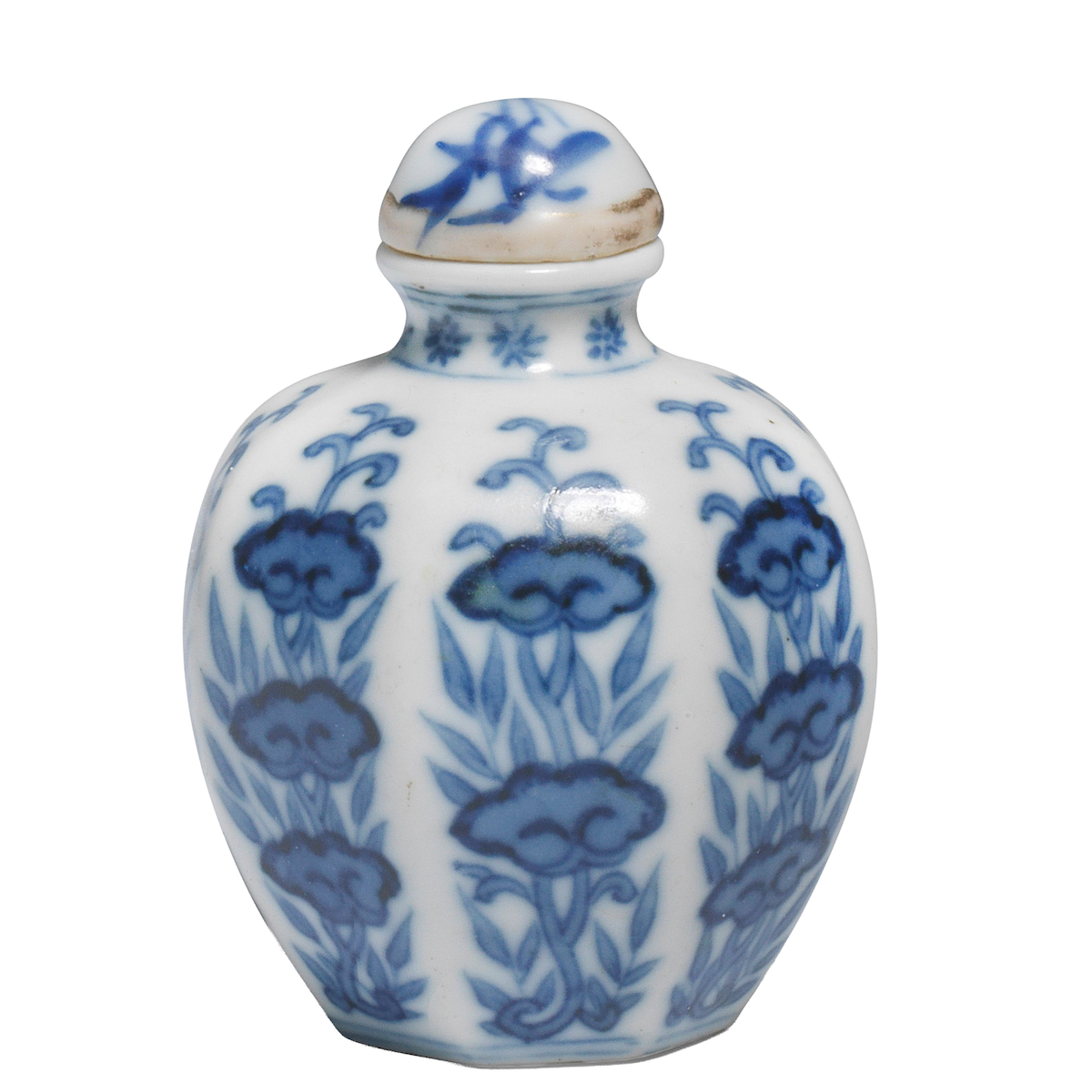
Porcelain is a high-fired ceramic primarily produced at the Jingdezhen kilns, renowned for its decoration in underglaze blue, iron-red, and famille rose enamels. Initially considered too utilitarian for snuff bottles, porcelain gained popularity during the Qianlong period and became especially characteristic in the nineteenth century with molded and enameled examples. This evolution reflects both artistic and industrial advancements in porcelain making, with the material's versatility and beauty leading to its widespread use in snuff bottles.
Provenance refers to the documented history of a snuff bottle's ownership, including previous owners, collections, and acquisition details, as well as its exhibition and publication records. This documentation often includes specific names of previous owners and collections, which are meticulously recorded in auction contexts and catalogues. While provenance serves as an authenticity argument and legal safeguard, it also enhances the bottle's historical narrative and desirability.
Prunus blossoms, often depicted on enamel on copper snuff bottles, are a popular motif symbolizing perseverance and purity, frequently associated with the "Three Friends of Winter." These designs were particularly favored during the Yongzheng and Kangxi reigns and were commonly reproduced in various workshops. The five petals of the prunus flower represent the Five Blessings, adding to its symbolic significance. The current definition's mention of "cracked-ice ground" is not supported by the retrieved passages.
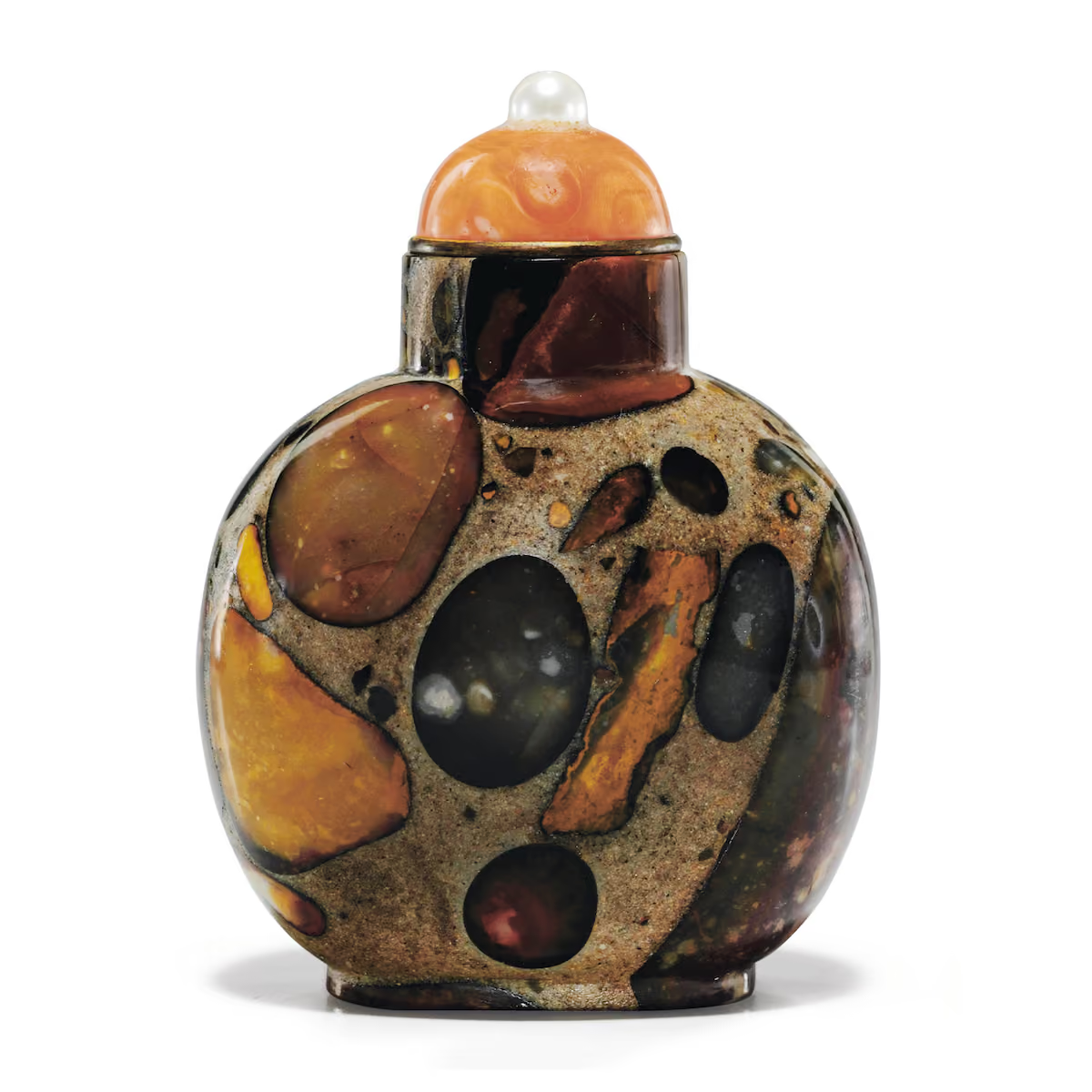
Puddingstone is a natural conglomerate stone used in snuff bottles, characterized by a matrix with inclusions of various colors such as ochre, cream, brown, and russet. These bottles often feature large pebbles or patches of color that enhance their aesthetic appeal. While the shapes can vary, they commonly include both rounded, bulbous forms with rounded shoulders and cylindrical necks, as well as flattened rectangular shapes. The stone's unique appearance, resembling a fruit pudding when polished, makes each bottle distinct.
The retrieved passages do not provide any information on the term "Qilin" or its definition. Therefore, I cannot rewrite the definition based on the archive. If you have specific omissions or corrections in mind, or if there are additional sources to consider, please let me know. Otherwise, you might consider discussing this term further in the Society's member forum for additional insights.
The Queen Mother of the West, or Xiwangmu, is an ancient Daoist goddess associated with the Kunlun mountain paradise, where she presides over a court of women and a peach tree that blossoms once every three thousand years, granting immortality to those who consume its fruit. She is a divine manifestation of the yin force and has historically been worshipped by emperors. In Chinese religious developments, she has been syncretized with other deities, such as Guanyin, reflecting her significant role in the cultural and spiritual landscape. Scenes depicting her court and peach banquet symbolize longevity at its most elaborate.
In Chinese culture, the rabbit is the fourth of the zodiac animals and symbolizes longevity and the moon, where the jade rabbit is said to pound the elixir of immortality. It is often depicted in art alongside the moon and lingzhi, and is associated with virtues such as cunningness, as reflected in the proverb "The crafty rabbit has three burrows." The rabbit is also portrayed in various artistic forms, including three-dimensional snuff bottles, and is seen as an auspicious symbol due to its connection with the elixir of immortality.
In Chinese culture, the rat is the first of the zodiac animals and symbolizes fertility due to its rapid breeding. It is also associated with wealth, as its relative, the field vole, stores food, symbolizing accumulation. While it conveys blessings of peace and longevity, the rat is also seen negatively for its destructive nature and association with disease, reflecting its dual role in cultural symbolism.
Realgar glass is an opaque glass with swirling colors of red, orange, and yellow, designed to imitate the mineral realgar. Produced in the Imperial Workshops, it was popular in the eighteenth century for creating unique objects such as snuff bottles, vases, and dishes. The swirling patterns make each piece unique, and the glass was favored for its cultural significance and the auspicious qualities attributed to realgar, which was highly prized by Daoists.
A rebus is a visual pun where depicted objects on snuff bottles represent auspicious phrases or wishes through homophones in the Chinese language. For example, a bat (fu) symbolizes happiness, while a monkey on horseback signifies immediate high rank. These rebuses were often used to convey subtle wishes for good fortune, happiness, and high office, especially when snuff bottles were given as gifts. Decoding these symbols adds to the enjoyment of collecting and studying snuff bottles.
A recessed base in snuff bottles is a feature where the base is hollowed inward, often accompanied by a foot rim, as seen in examples of glass and nephrite bottles. This design is common in various materials, including glass and hardstone. The Journal describes recessed bases in specific bottles, such as a man-made crystal bottle with a flat recessed base surrounded by an oval foot rim and a nephrite bottle with a recessed oval foot. The current definition does not mention the quality test of evenness and crispness of the edge, nor does it discuss a flat-cut base indicating economy of finish or damage removal, which are not corroborated by the Journal.
A reign mark on a snuff bottle records the reign title of an emperor, usually in four or six characters, and is inscribed in various scripts such as regular script, seal script, or imitation Song. These marks can be inlaid with materials like silver or painted in colors such as blue or red. They serve as a statement of respect or attribution rather than definitive proof of the date of manufacture. On snuff bottles, four-character marks predominate, especially on enamel-painted wares. Visit the Society's Reign Marks page for more information.
Relief carving involves creating a design that is raised above a cut-back ground, ranging from low relief barely above the surface to high relief approaching sculpture. This technique is applied to various materials, including jade and agate, and can involve cameo work in contrasting layers. It is also used on the skin of stones to create a contrast between translucent and opaque areas, enhancing the visual depth and detail of the design.
Re-polishing involves refinishing a snuff bottle's surface to remove wear or damage, which can soften carved details and erase patina. This practice is debated within the trade, akin to restoring an Old Master painting, and is often considered inappropriate for historically significant bottles. The process carries risks, particularly for bottles with thin walls or those that have become brittle due to age and environmental exposure. Detectable signs of re-polishing include unevenly faded details and a foot rim that appears less worn than the body.
Repoussé is a metalworking technique where a sheet of soft metal, such as gilded copper, is hammered from the reverse side to create a relief image, then refined from the front by chasing. This method is particularly noted for its use in creating high-relief decorations on metal objects, including snuff bottles. The term "repoussé" comes from the French word meaning "pushed up," and it is distinguished from casting by the presence of a thin high relief with a corresponding hollow behind.
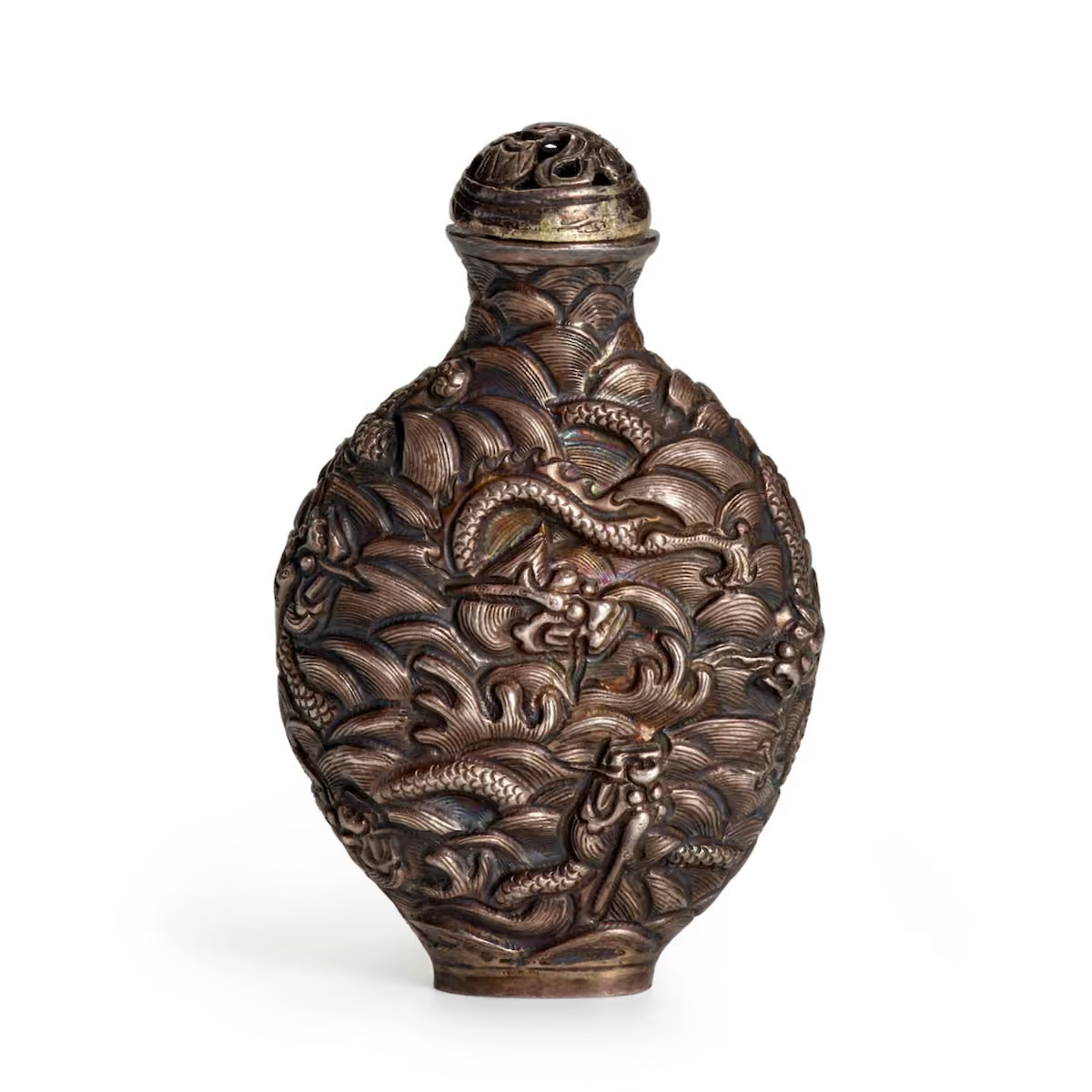
Reproductions are bottles crafted in the style of earlier periods, typically sold at lower prices and distinguished from fakes by their honest presentation as reproductions rather than originals. They are part of a broader cultural practice of imitating admired art, which can include calligraphy and other artworks. The key distinction lies in the intent and description, with reproductions being openly acknowledged as such.
Restoration involves repairing and restoring snuff bottles to regain their original artistic value, addressing issues such as reglued breaks, filled chips, and repainted enamel. It is legitimate when disclosed and can often be detected under ultraviolet light or magnification. Restoration should be harmonious and in keeping with the original spirit of the work or the culture in which it is restored, ensuring that the repair is culturally appropriate and often undetectable.
Reticulated carving refers to a decorative technique used on snuff bottles, where the outer body is pierced in an openwork design, often resembling a net, allowing visibility of an inner layer. This technique is typically applied to the outer casing or panels, as a pierced body cannot hold snuff. Common motifs include dragons, phoenixes, and Buddhist lions, with porcelain being the most frequently used material for such designs.
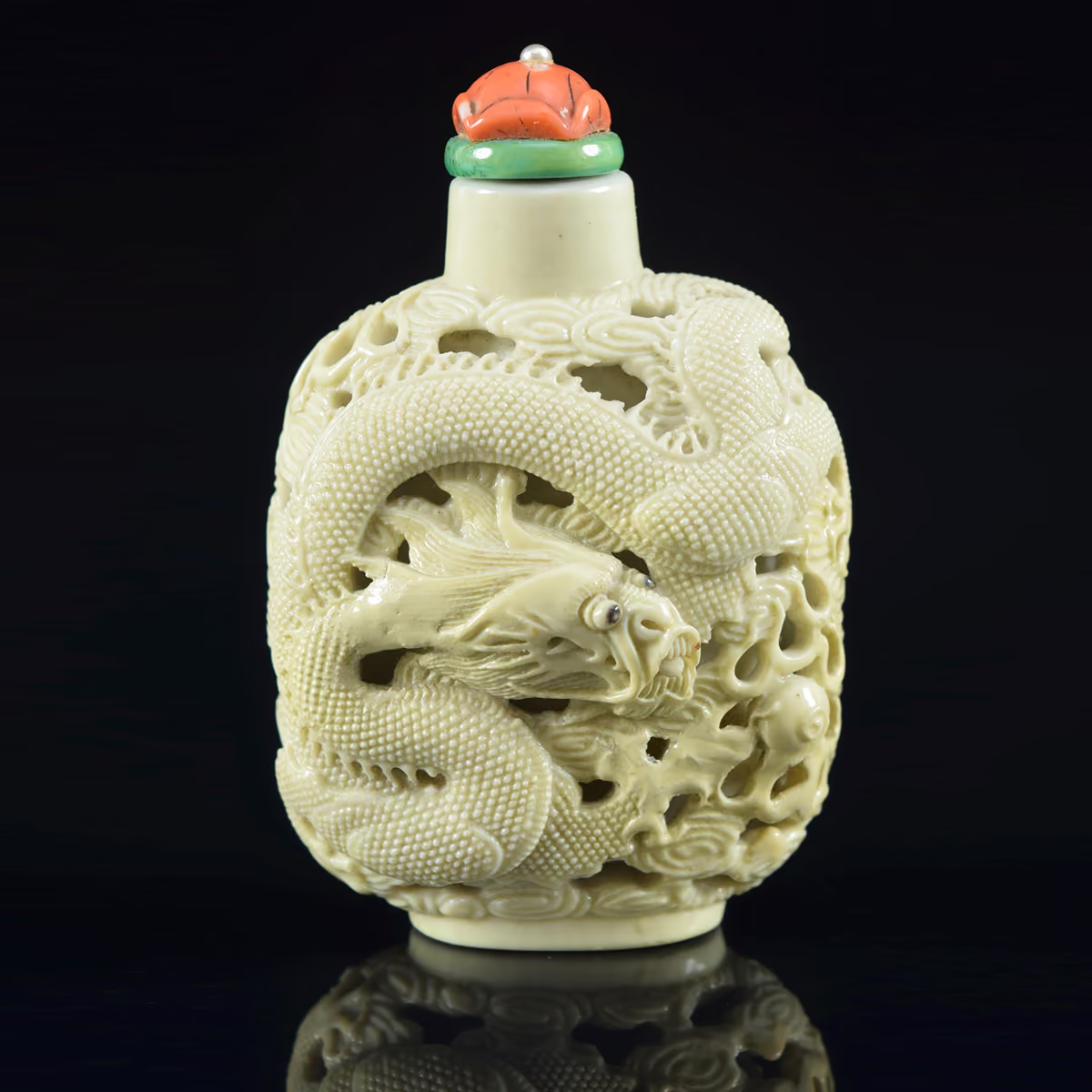
Rhinoceros horn, historically valued for its rarity and deep amber translucence, was occasionally used to create snuff bottles and dishes, particularly during the Daoguang Emperor's reign. These objects are rare and highly prized, often featuring intricate carvings such as figures or scenes. The archive does not confirm the characteristic fibrous structure and granular pattern mentioned in some descriptions.
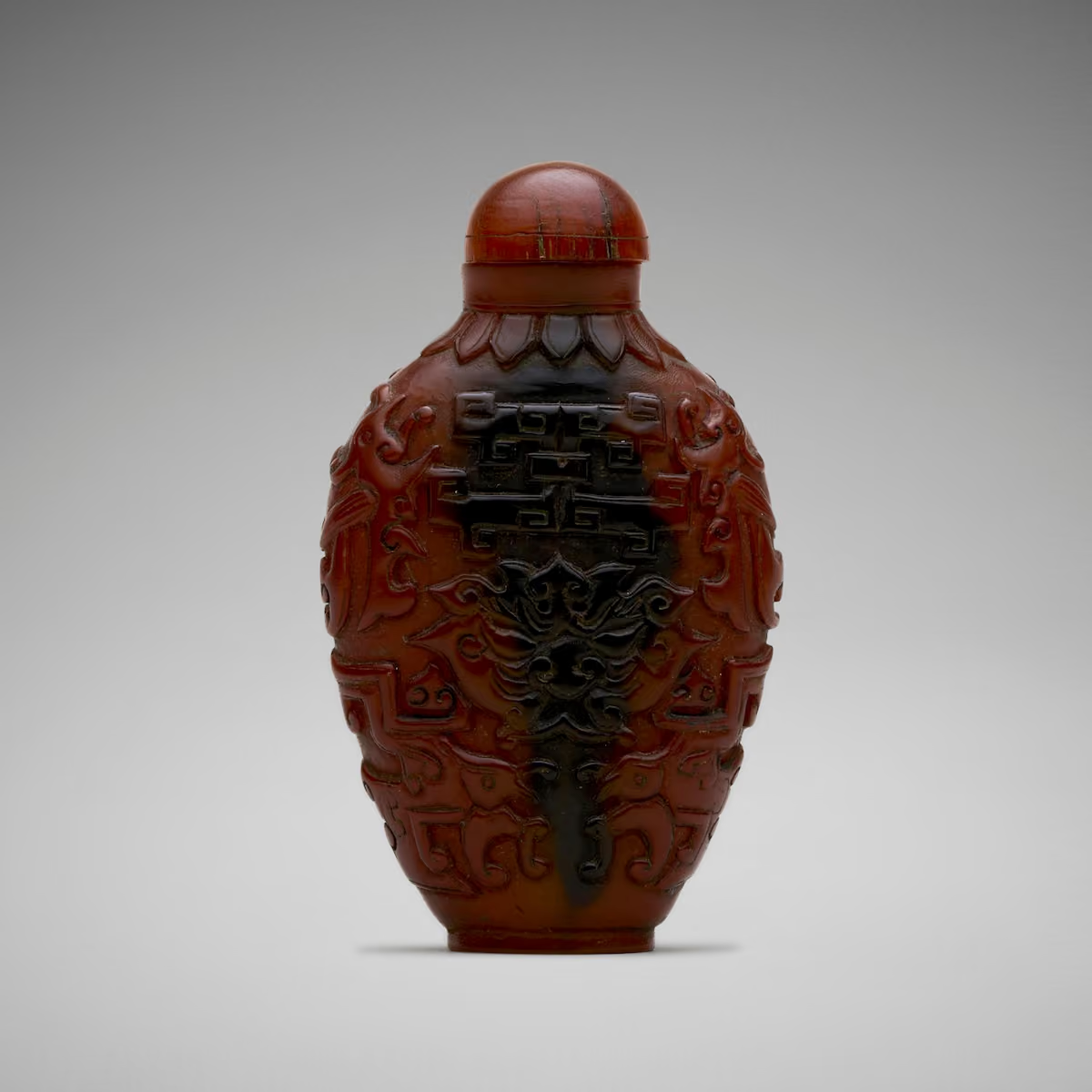
Rock crystal is a colorless, transparent quartz used in the creation of snuff bottles from the late 18th century, valued for its clarity which demands flawless hollowing. It served as a preferred medium for inside-painted bottles and was also used for carved designs, reflecting its artistic and historical significance. The material was associated with imperial workshops and collected by enthusiasts, highlighting its esteemed place in snuff bottle artistry.
The process of converting Chinese characters into the Latin alphabet. It highlights systems like Wade-Giles, previously favored by English and American writers, and Pinyin, which aligns more closely with Mandarin pronunciation and has become the standard in many publications. The Journal notes its own transition from Wade-Giles to Pinyin to reflect this standardization.
Root amber is a type of amber used in Chinese snuff bottles, valued for its rarity and distinctive coloration, which includes patches of rich, opaque brown or ochre yellow. This material is often intricately carved to depict cultural and literary narratives, such as scenes featuring the Tang dynasty poet Meng Haoran. The light and dark tones of root amber are skillfully utilized to create detailed reliefs, enhancing the aesthetic and cultural significance of these bottles.
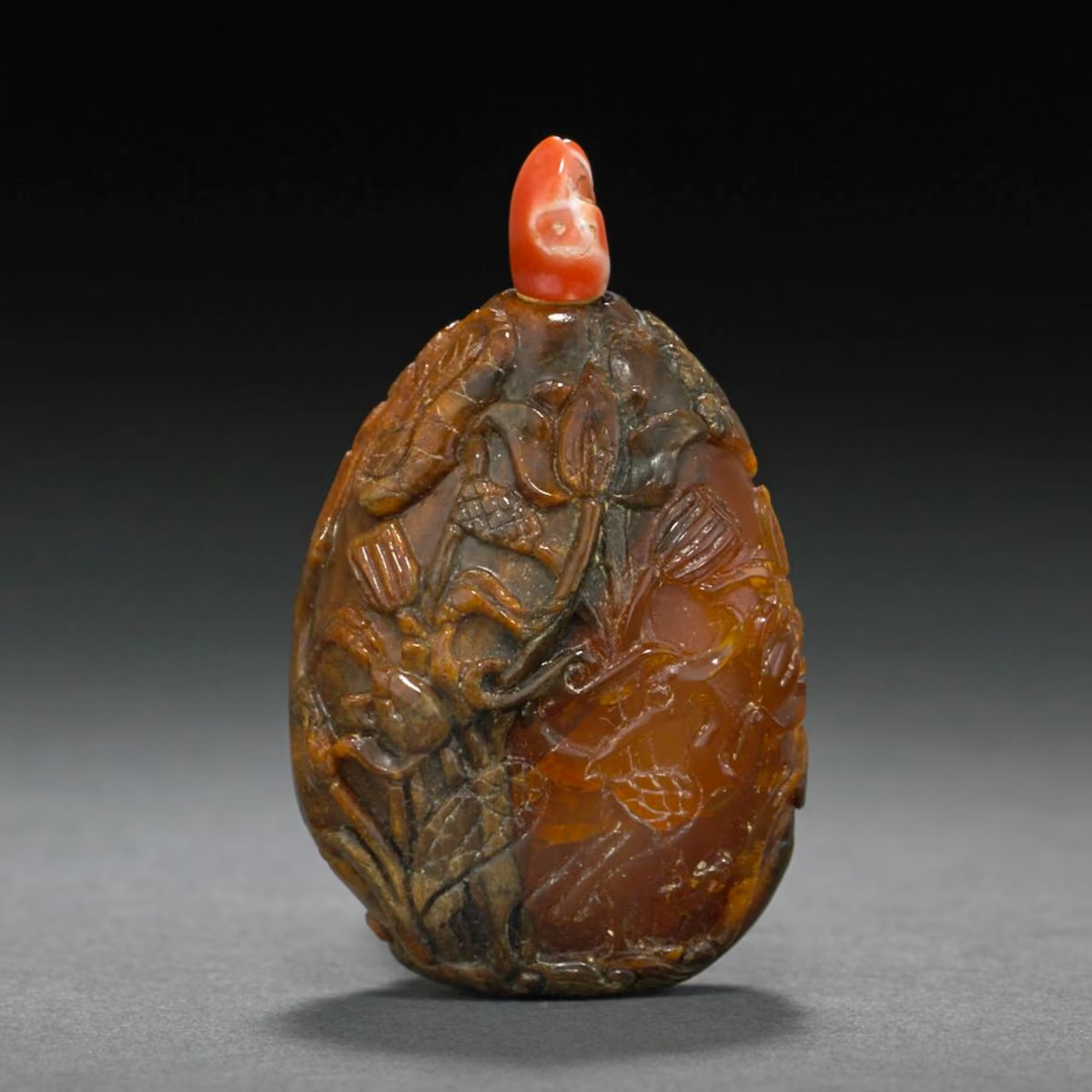
Rose quartz is a translucent pink quartz, typically cloudy due to internal fractures, which limits the crispness of carved details. It is known for its soft, rounded forms and shallow relief in snuff bottles, popular in the nineteenth century. The pink color comes from small amounts of titanium, and the material can fade when exposed to heat or ultraviolet light. Some specimens may show asterism due to rutile needle inclusions, and it is often used in stoppers for bottles made of other materials.
In Chinese art and culture, the ruyi is a scepter symbolizing wish fulfillment, often associated with the lingzhi fungus, which represents longevity and auspiciousness. It is a common decorative motif on snuff bottles, frequently appearing as a border design around shoulders and necks. The ruyi motif is also used in combination with other symbols to form auspicious sayings and rebuses, conveying blessings and good fortune.
In the context of inside-painted snuff bottles, "schoolwork" refers to works produced by students or workshop hands in the style of a master, often under the master's signature. This practice is exemplified by the Ye family studio, which created copies of eighteenth-century originals that were sold by dealers as such. Distinguishing these works from autograph pieces remains a central challenge in attribution and valuation.
Schreger lines are a crosshatched pattern visible in the dentine layer of ivory, forming intersecting arcs that create diamond-shaped striations. These lines are diagnostic for identifying ivory, with elephant ivory typically exhibiting Schreger lines at angles above 90 degrees, while mammoth ivory shows angles below 90 degrees. Their presence confirms ivory and distinguishes it from bone or substitutes, making them a standard test for material identification.
Seal Script is an archaic style of Chinese writing standardized during the Qin dynasty for official documents, characterized by its complexity and uniform, well-balanced strokes. It is commonly found on reign marks and artists' seals of snuff bottles, particularly from the Qianlong, Jiaqing, and Daoguang periods. While molded seal marks on porcelain bottles are characteristic of the nineteenth century, Seal Script appears on various materials, reflecting its historical significance and decorative appeal. Visit the Society's page on Reign Marks for more information.
Shadow agate refers to chalcedony snuff bottles featuring dark inclusions, often manganese oxide dendrites, that form natural or slightly enhanced pictorial designs. These designs are typically suggestive or impressionistic, with the lapidary using cameo carving to emphasize or detail the natural patterns. The inclusions usually appear on one side, making it the front, while the reverse is often plain. The artistic process involves enhancing the natural features of the stone to create a deliberate composition.
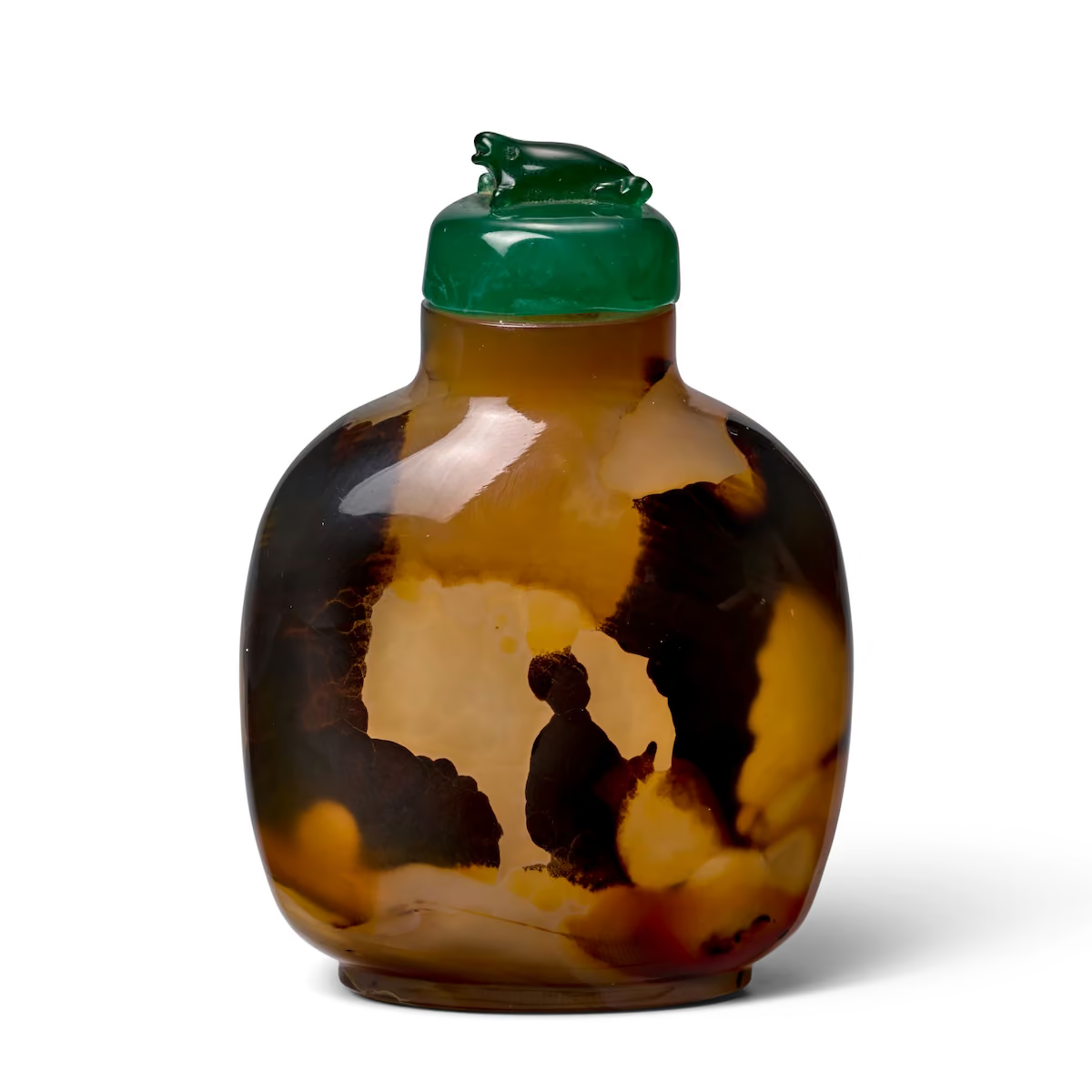
The Shandong school is an inside-painting tradition that developed in Shandong province, particularly in Boshan, a renowned glassmaking town. Initially influenced by the Beijing school, it evolved into the modern Shandong school, with Bi Rongjiu as a pivotal figure. The school is characterized by the use of a hair-tipped brush for fine outlines and even coloring, resulting in a smooth style. It experienced a revival in the 1950s under Zhang Wentang, further establishing its distinct identity.
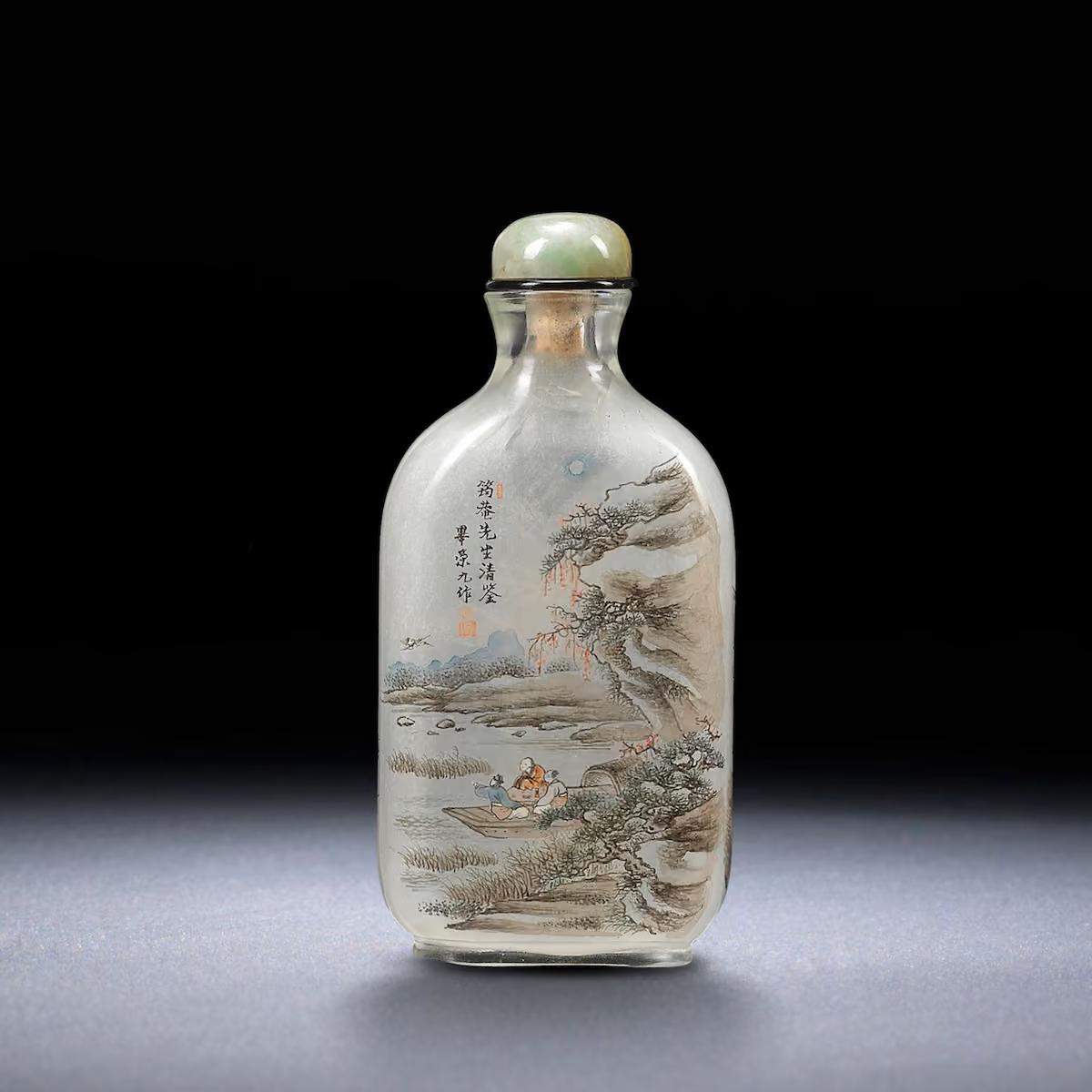
The shou character represents longevity and is often depicted in various ornamental forms on snuff bottles, frequently accompanied by auspicious symbols like bats and peaches. It is commonly paired with the character for happiness (fu) to express wishes for both blessings and long life, as seen in phrases like "fushou shuangquan." These characters are sometimes integrated into intricate designs, such as those featuring dragons, to enhance the symbolic message of longevity.
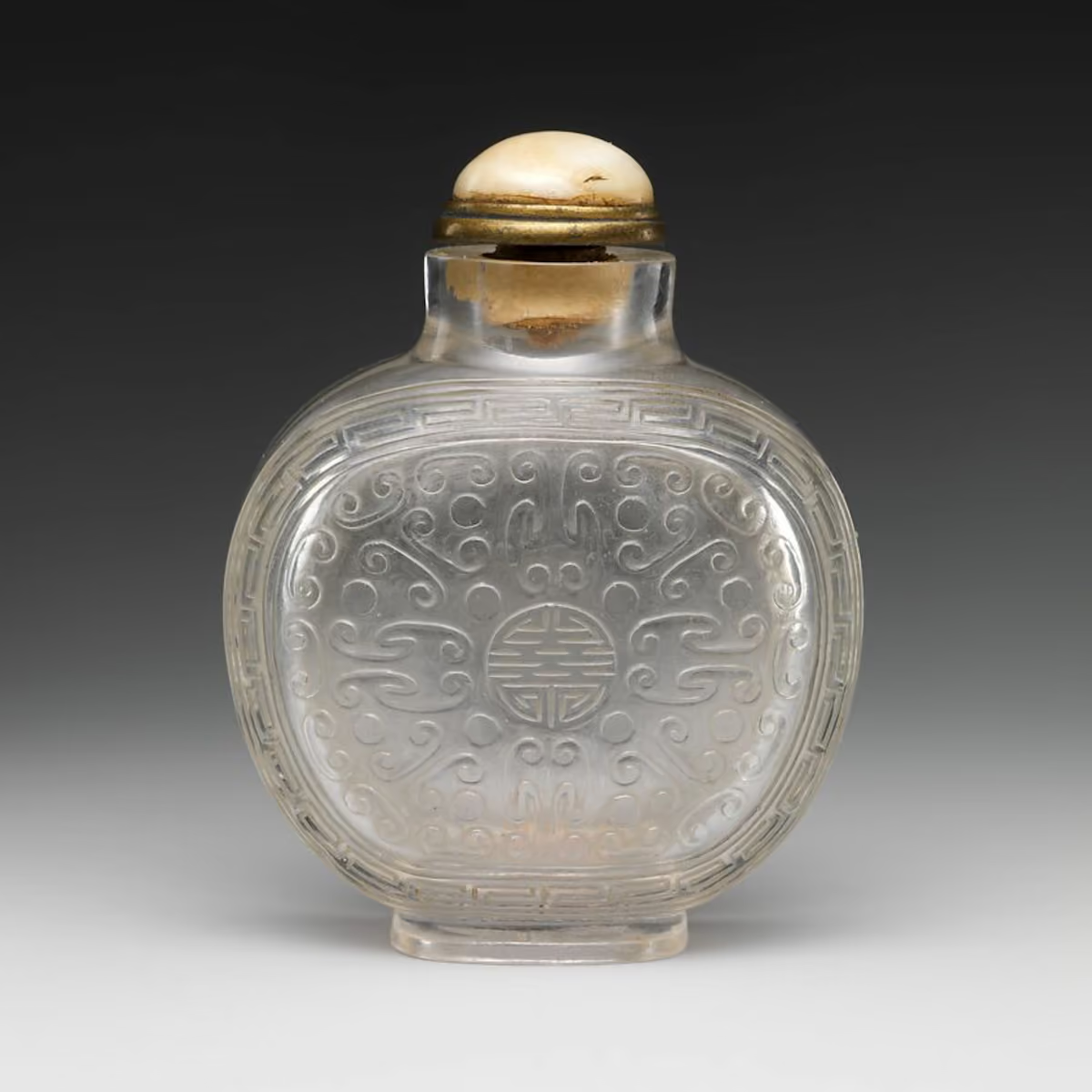
Shoulao, the god of longevity, is depicted as an elderly man with a prominent bald head, carrying a staff and a peach, symbols of long life. He often appears with cranes, deer, and pine trees in longevity compositions and is part of the Three Stars (San Xing) along with the gods of Good Fortune and Emolument. Shoulao is associated with the star Canopus and is a popular figure in cameo carvings and snuff bottle art due to his distinctive silhouette.
The shoulder of a snuff bottle is the transitional area from the neck to the body, significantly influencing the bottle's silhouette with its sloping, square, or rounded profile. It is a prominent site for decorative elements, often featuring inscriptions, seals, and motifs such as stylized patterns or natural scenes. This area is also where mask-and-ring handles are commonly placed, contributing to the bottle's overall aesthetic and design complexity. Catalog descriptions frequently emphasize shoulder characteristics to convey the bottle's artistic and structural nuances.
Silhouette carving is a technique where artisans exploit the natural features of stones like agate and chalcedony to create images by polishing or grinding away surface layers to reveal silhouette imagery, rather than using relief carving. This method relies entirely on the natural inclusions and veining of the stone to enhance the design without adding artificial coloration, often resulting in a contrasting tone against the ground. The technique, noted for its intellectual sophistication, was particularly refined by Suzhou artisans during the Qing dynasty, with birds being a common subject due to their simple outlines.
Metal snuff bottles are crafted from a variety of materials including silver, gold, bronze, paktong, copper, and brass, often adorned with techniques such as engraving, repoussé, filigree, and inlay with semi-precious stones like coral and turquoise. Silver bottles, particularly those in Mongolian and Tibetan taste, form a distinct group and are noted for their high silver content, though typically less than marked. Metal bodies also serve as bases for painted enamel and cloisonné work, reflecting a complex art form introduced to China around the 13th to 14th century. Some of the earliest dated examples include Shun-chih brass bottles, highlighting the historical significance and rarity of these metal works.
In the context of snuff bottles, "skin" refers to the naturally occurring outer layer of a stone, such as nephrite or chalcedony, which is often retained by carvers to enhance the bottle's aesthetic appeal through contrast or highlighted designs. This technique is notably associated with the Suzhou school, where it serves both aesthetic and commercial purposes. Additionally, "warm skin" is used in the context of snuff bottle stoppers, referring to a material that forms a seal between the stopper and the bottle.
Smoky quartz is a variety of crystalline quartz characterized by its gray to dark brown color, caused by natural radiation disrupting its molecular structure. It is sometimes referred to as "tea crystal" in Chinese collecting circles and can contain inclusions such as rutile or tourmaline. The darkest examples, nearly black, are known as morion, and the term "cairngorm" is also used, referencing the Cairngorm Mountains in Scotland. Smoky quartz is often used in silhouette-style relief carving to exploit its depth of color.
In the Chinese zodiac, the snake is the sixth animal, often referred to as the "little dragon," and is associated with cunning and regeneration through the shedding of its skin. Beyond its zodiac role, the snake holds significant cultural symbolism in Chinese mythology, such as in the "Legend of the White Snake," and serves as a totem and fertility symbol. It embodies dual characteristics, being seen both as a symbol of evil and possessing mystical powers. The snake is less commonly depicted than more auspicious creatures but is a meaningful motif, particularly as a birth-year subject.
Snowflake glass is a type of translucent glass characterized by bubble inclusions that resemble falling snow, often used as a ground for overlay snuff bottles. It serves as a base for both single-color and multi-color overlay carvings, with classic combinations including red and blue overlays. This glass type was popular from the late 18th to the 19th century, particularly in imperial glassworks.
Snuff is finely ground tobacco introduced to China by European traders and missionaries during the late Ming and early Qing dynasties. It gained popularity at the Qing court due to its medicinal and invigorating effects, becoming a symbol of social status and cultural exchange. The practice of snuff-taking spread widely, particularly among the Manchus, Mongols, and northern Chinese, and led to the creation of intricately designed snuff bottles that reflected both Western and Chinese artistic influences. Brazilian Amostrinha snuff was highly prized in China, particularly at the Qing court. It was considered the best quality snuff, made from Brazilian twist tobacco that was milled in Lisbon. The Portuguese brought this snuff from Brazil via Lisbon and then through Goa, Malacca, and Macao before entering China. Qing emperors, starting with Kangxi, received bottles of Amostrinha as gifts from abroad, highlighting its status as a valued commodity and a symbol of elite culture.
A snuff bottle is a small, typically palm-sized container with a tight stopper and attached spoon, adopted in China for powdered tobacco (snuff) by the early Qing period. Unlike the European snuffbox, the bottle form suited Chinese habits and environment, and became a vehicle for every luxury craft of the empire. Snuff bottles are utilitarian objects, often artistically refined, made from a wide variety of materials. They are air-tight, do not impart odor or taste to their contents, and usually measure 4–8 cm for pocket bottles or 8–15 cm for table bottles. Each bottle must have a short neck suitable for a stopper and be designed to hold snuff or powdered medicine, allowing removal with a spoon attached to the stopper.
Snuff dishes are small, decorative vessels used to dispense snuff, often crafted from luxury materials such as jade, glass, porcelain, and precious stones. Historically, they were sometimes ordered by emperors, like the Daoguang Emperor, who specified materials such as rhinoceros horn and carnelian. These dishes could be part of a set with snuff bottles, sharing similar materials and decorative designs, and they form a niche collecting field due to their craftsmanship and historical significance.
Soapstone, often a mixture of serpentine and talc, and sometimes calcite, is a soft material used in the creation of snuff bottles and sculptures. Its softness makes it easily workable with hand tools, though it is not typically prized for its material or formal qualities. In Chinese texts, soapstone is differentiated from steatite and is valued as a suitable "canvas" for inscriptions.
In the context of snuff bottles, a spoon is a slender spatula-like implement attached to the stopper, crafted from materials such as ivory, bone, metal, or tortoiseshell. It is used to extract snuff from the bottle, and its length should nearly reach the bottom of the bottle's interior, serving as a check for the stopper's association. Period spoons are fragile and often lost or replaced. It is advisable to remove spoons from inside-painted bottles to prevent damage to the interior artwork.
The stopper of a snuff bottle serves as its closure and often features a decorative element such as a cabochon or finial, typically mounted on a cork with an attached spoon. Stoppers can be crafted from a variety of materials, including jade, coral, cloisonné, and metal, and are valued for their fit and aesthetic harmony with the bottle. The historical significance of original or period-appropriate stoppers is notable, as they enhance the bottle's authenticity and value. Mismatched proportions or non-original stoppers are common flaws that collectors should be aware of.
The Suzhou school is renowned for its inventive carving of nephrite, chalcedony, and occasionally rock crystal, creating dramatic and three-dimensional designs. This school is celebrated for its masterful use of natural stone colors and inclusions, particularly in black and white nephrite, to evoke naturalistic landscapes and literati themes. Distinctive features include serrated, convoluted, and multiple-plane rockwork, as well as cloud scrolls, reflecting traditional Chinese aesthetics and the influence of ink wash painting. The Suzhou school catered to scholarly and wealthy patrons, emphasizing poetic subtlety and creativity in its works.
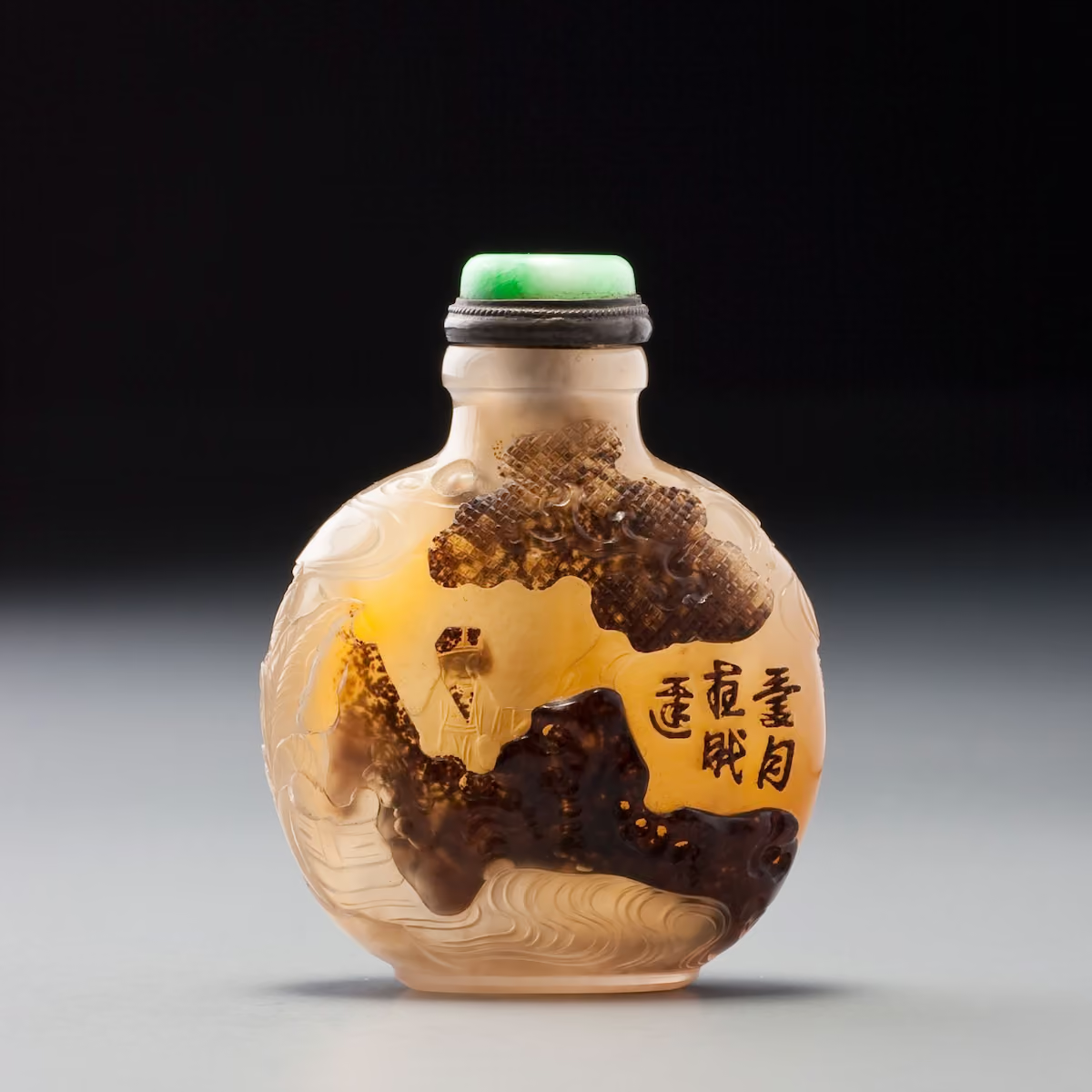
The taotie is a decorative motif originating from the Neolithic era, prominently featured on Shang and Zhou bronzes as a fierce, bodiless head often used in vessel designs. In Qing archaistic decoration, it was revived and appears on snuff bottles as carved reliefs or mask-and-ring handles, often more realistic than its ancient counterparts. This motif, associated with a legendary voracious appetite, symbolizes antiquarian learning rather than menace in its later artistic iterations.
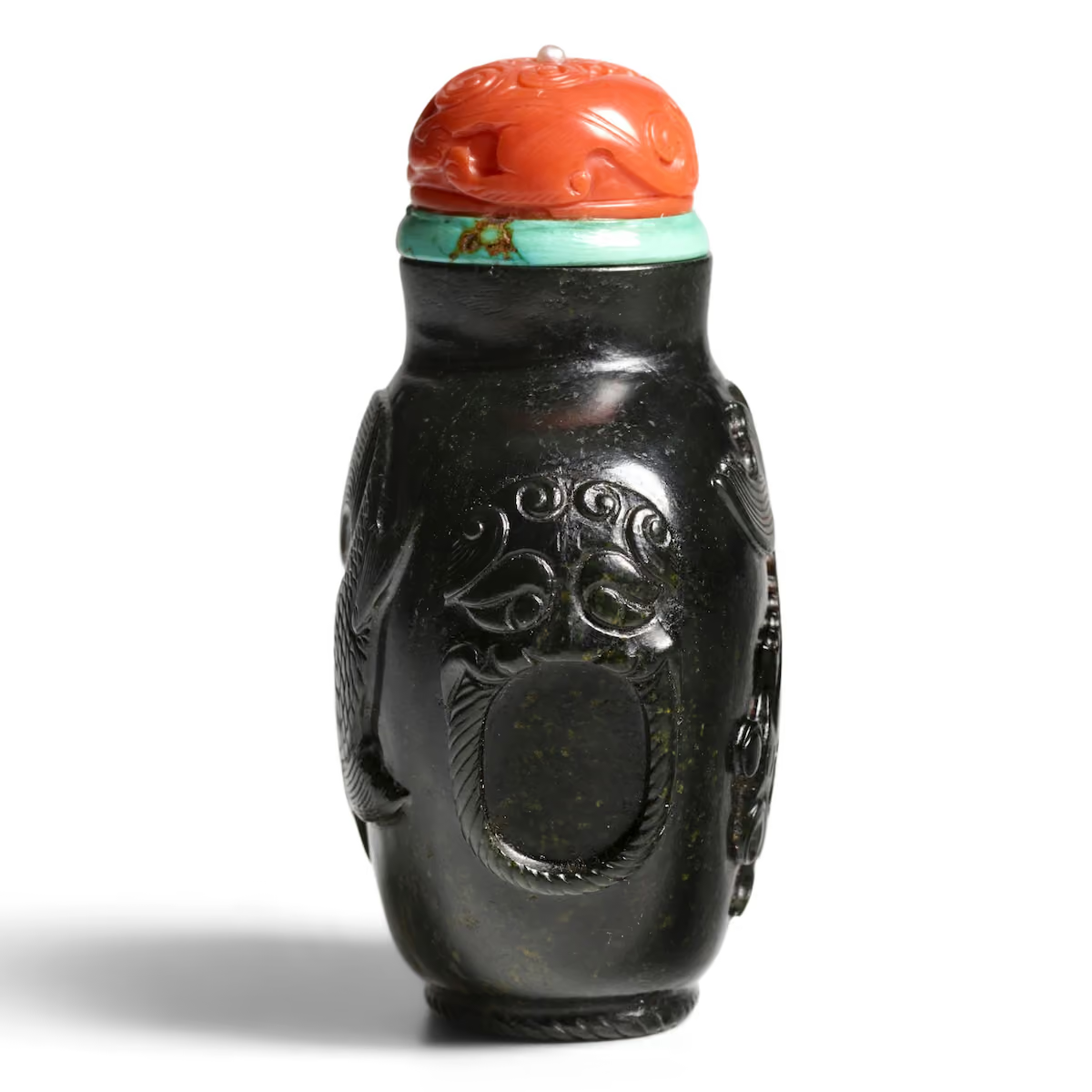
The "Three Abundances" motif involves the peach, pomegranate, and finger citron, symbolizing long life, abundant sons, and happiness, respectively. Traditionally arranged as finger citron, peach, and pomegranate, this motif is common on porcelain and carved hardstone bottles. The finger citron's symbolism of happiness is not related to wealth, countering a common misconception. Additionally, other fruits with many seeds can sometimes substitute for the pomegranate to convey similar ideas.
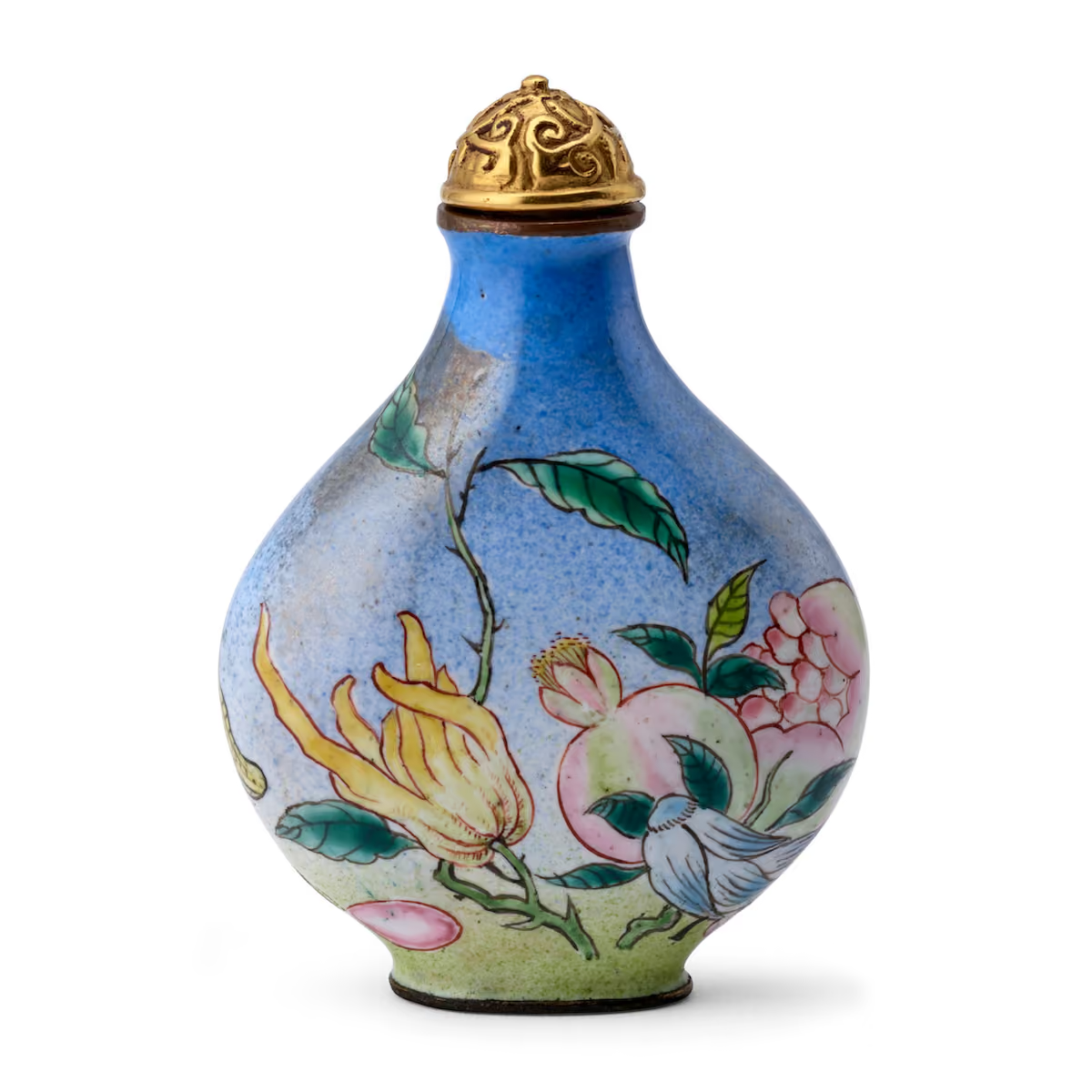
The Three Friends of Winter motif features pine, bamboo, and prunus, celebrated for their resilience in winter and symbolizing virtues such as nobility, humility, fidelity, perseverance, and purity. This motif, significant in Chinese art since the Song dynasty, is depicted in various forms, including snuff bottles and paintings. Each plant carries specific symbolism: the pine represents nobility and longevity, bamboo signifies humility and integrity, and prunus embodies perseverance and purity. The motif is a literati favorite, rendered in media from underglaze blue to overlay glass.
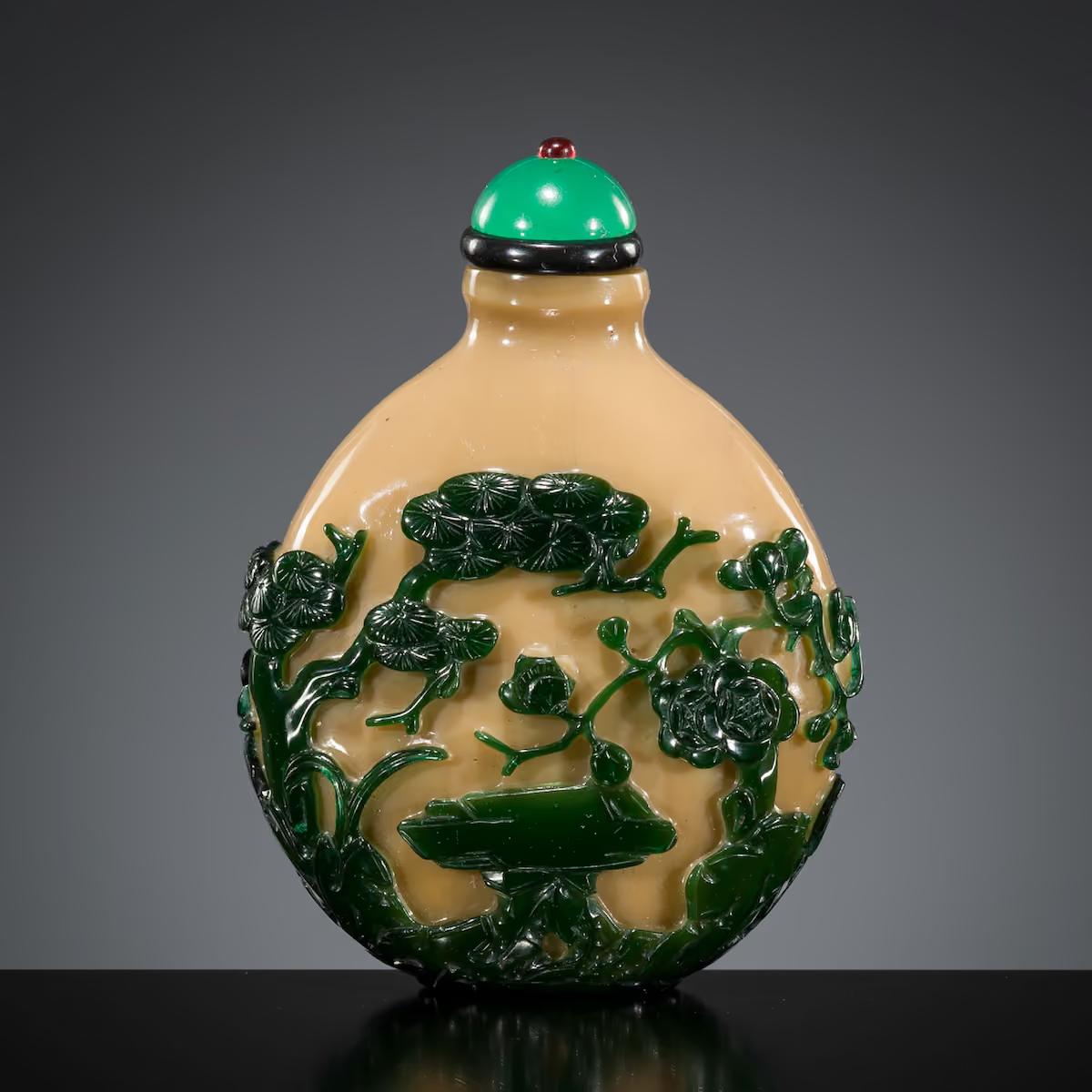
Thumbprint agate is a collectors' term for agate snuff bottles featuring patterns of concentric rings resembling pressed thumbprints, often in colors like garnet, white, and grey. This term serves as a trade convenience rather than a mineralogical classification, similar to macaroni and moss agate. Bottles are often cut to showcase these distinctive patterns, and the material is sometimes referred to in Chinese as "entwining cocoon stone." The agate is noted for its transparency and is often brilliantly and thinly carved.
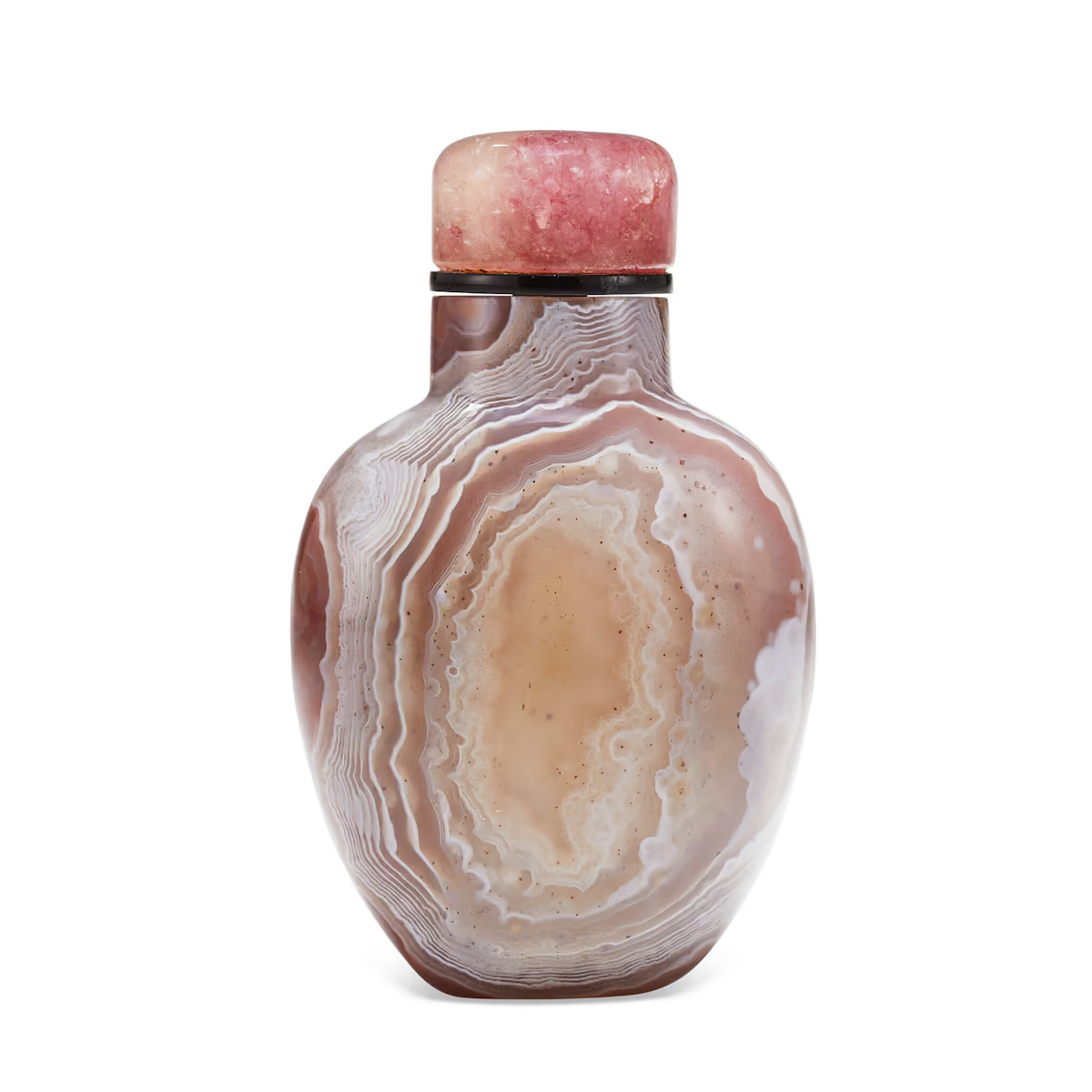
The tiger is revered as the king of all animals and symbolizes martial power, vitality, and protection against evil. It is the third animal in the zodiac and is associated with wealth, being the mount of Zhao Gongming, the Daoist God of Wealth. In artistic representations, the tiger often appears in composite designs with dragons, symbolizing leadership and fierce competition. Its striped pelt is noted for its aesthetic appeal and unpredictability, and it is also associated with danger and ferocity.
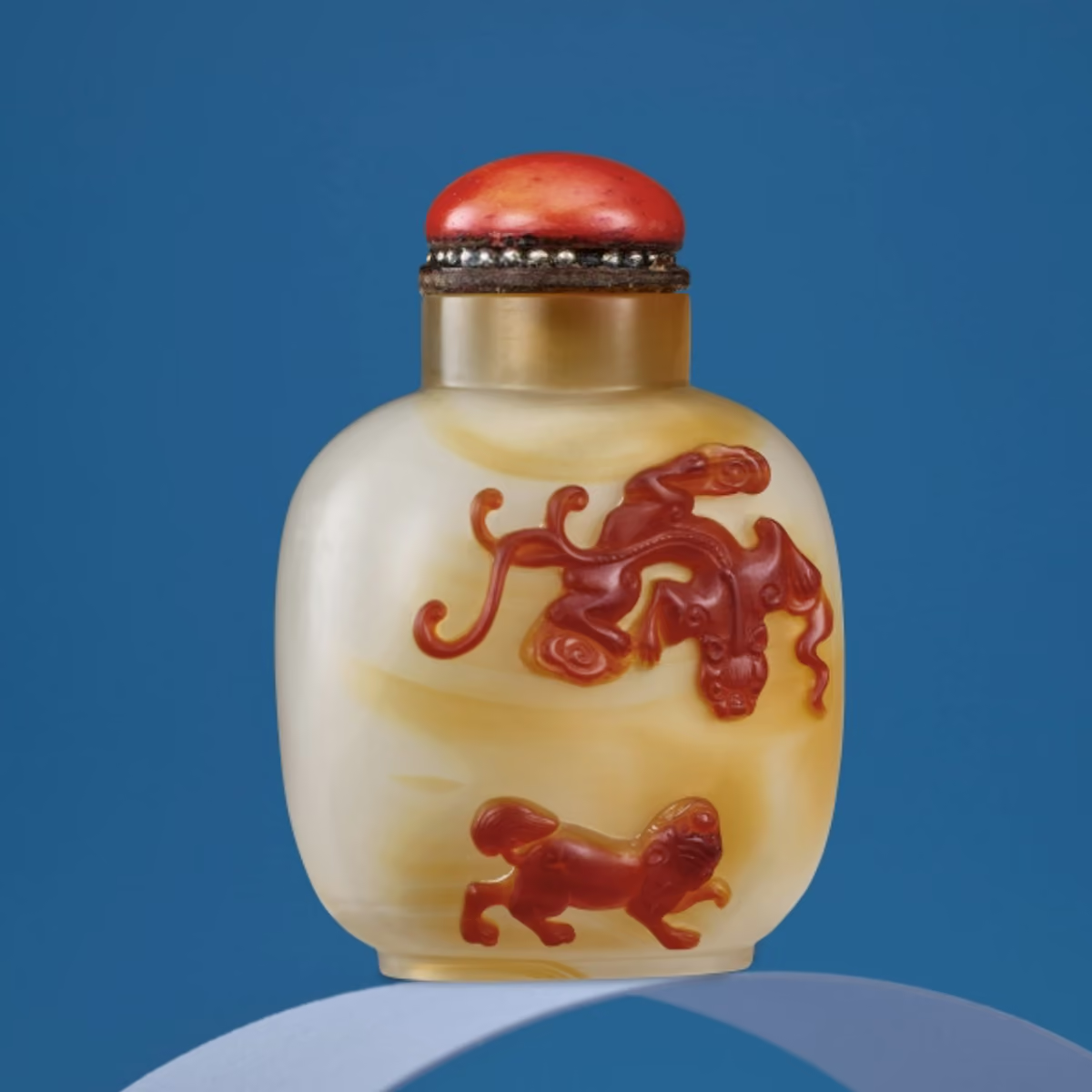
Tortoiseshell, historically used in snuff bottles, is valued for its warm amber and brown marbling and cultural significance in Chinese mythology, where it symbolizes the vault of the heavens. Genuine tortoiseshell bottles, sometimes mounted with inscribed panels, were part of collections like the Montclair Museum. The material's use extended to accessories such as spoons, as ordered by the Daoguang Emperor, and was sometimes simulated with lacquer in Japanese ivory bottles. While now banned from international trade, its historical use requires careful attribution due to celluloid imitations from the late nineteenth century.
Tourmaline is a gemstone found in pink, green, and parti-colored crystals, with notable varieties including red and purple tourmaline. It gained popularity at the late Qing court, particularly associated with Empress Dowager Cixi, and large quantities were imported from Californian mines around 1900. Beyond snuff bottles, tourmaline was used in jewelry and ornaments such as court necklaces, wrist beads, and rosary beads, as well as in snuff bottle stoppers, valued for its luxurious appearance and compatibility with other precious materials. Bottles crafted from tourmaline are typically small, reflecting the size of available rough.
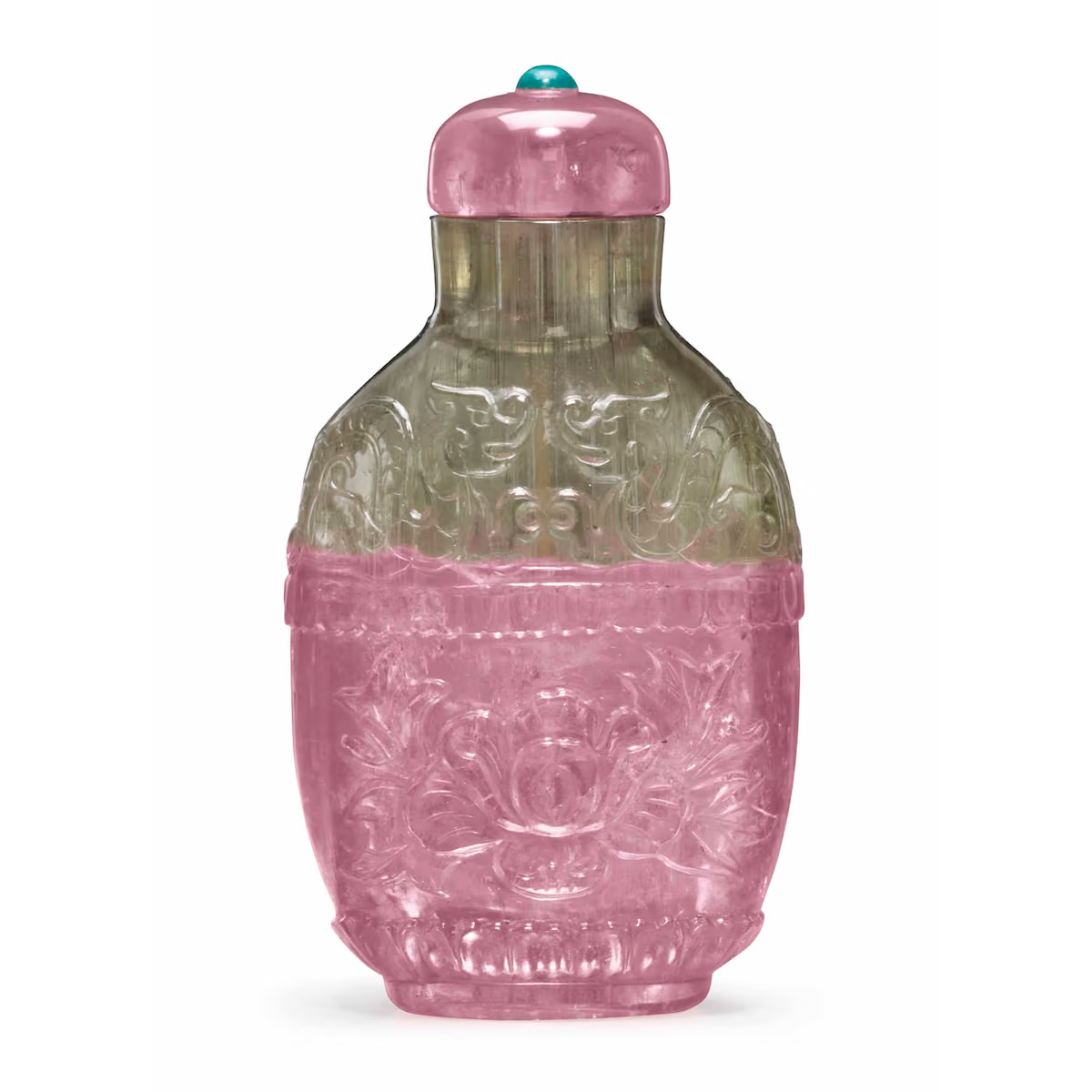
Turquoise is an opaque blue to green stone, historically sourced from Persia, Tibet, and Central China, and used in snuff bottles. Its softness and porosity make it suitable for small bottles, though it is prone to color changes with handling and exposure to oils. The stone often features matrix veining, which can be softer than the turquoise itself, affecting its hardness. Turquoise's natural beauty frequently led to the creation of plain bottles, highlighting its aesthetic appeal and rarity.
Undercutting is a carving technique that involves cutting beneath the edges of relief elements to enhance the sculptural quality and perspective of the work. This labor-intensive process is noted for creating textural layers and rounded, sinuous forms, such as the limbs of chilong dragons on snuff bottles. It is particularly significant in glass carving, where it contributes to the depth and detail of the piece. The absence or softening of undercutting can suggest later re-polishing or imitation, though this aspect is not directly addressed in the retrieved passages.
In the context of snuff bottles, underglaze blue refers to the technique of applying cobalt oxide to unfired porcelain, which is then covered with a clear glaze and fired, resulting in blue designs beneath the glaze. This method was prevalent from the Qianlong period through the nineteenth century and often combined with underglaze copper red. While many underglaze blue snuff bottles were mass-produced, others are noted for their artistic quality, with variations in tone and control of the cobalt aiding in dating and assessing quality. The technique also served as a tribute to previous emperors, reflecting its historical significance.
Underglaze red refers to a porcelain decoration technique using copper oxide fired under the glaze to achieve a red color, which is notoriously sensitive to kiln conditions and can result in unintended shades if not expertly managed. Historically revived during the early Qing reigns, it is often combined with underglaze blue, presenting additional challenges due to the different firing temperatures required for cobalt and copper. Successful execution, resulting in a strong red, is a mark of quality and reflects the high level of technical skill involved. This technique is associated with both high-quality and poor-quality snuff bottles, depending on the execution.
The 'Wang Bingrong zhu mark' refers to a signature or mark found on porcelain snuff bottles and other items, indicating that they were made by the renowned carver Wang Bingrong. Active during the early to mid-19th century, Wang Bingrong was known for his skillful carving and was one of the few craftsmen of his time to sign his works, reflecting a shift towards recognizing individual artists in the porcelain craft. His works often catered to the tastes of the non-imperial elite, imitating literati painting styles and featuring intricate designs.
The retrieved passages do not provide specific information on "water polish," so I cannot rewrite the definition based on the archive. The current definition's elements, such as the soft luster from handling and the contrast with lapidary wheel polish, are not addressed in the retrieved text. For further insights or corrections, I recommend discussing this term on the Society's member forum, where collectors and scholars might provide additional context.
Weight serves as a crucial clue in assessing snuff bottles, particularly in evaluating the degree of hollowing and identifying materials. It is used alongside specific gravity tests to differentiate between materials such as jadeite, nephrite, and agate. Weight can also reveal substitutes, as early plastics were sometimes manipulated to mimic the density of natural materials. While weight provides valuable evidence, it should always be considered with other signs for a comprehensive assessment.
Wheel marks refer to the traces left by a spinning wheel used in the creation of "wheel-cut reign marks" on glass snuff bottles. These marks are significant for assessing authenticity and dating, as the quality and confidence of the cuts can indicate the period of production. The spinning wheel's technical limitations affect the flexibility and placement of strokes, impacting the calligraphic grace of the marks. Understanding these marks helps differentiate between period techniques and modern reproductions.
Wood, as a material for snuff bottles, is prized for its fine grain and aesthetic qualities, particularly in species like zitan and huanghuali. These bottles are valued for their scholarly restraint, but they are relatively scarce due to their vulnerability to drying out, cracking, and losing snuff moisture over time. The variety in colors and textures of wood depends on the species and part of the plant used, with rare woods often chosen for their natural beauty and ability to develop a patina. Wood is also used in the creation of snuff mortars, reflecting its cultural significance and aesthetic appeal.
The Yangzhou school is renowned for its overlay glass carving, often featuring inscriptions and poems carved into the overlay color. This school is characterized by naturalistic scenes, such as landscapes and riverscapes, and is influenced by the Eccentric painters of Yangzhou from the 18th century. The bottles often take on a long rectangular form, with the background color serving as a scroll for the overlay design. While similar to the Suzhou school in some respects, the Yangzhou school is distinct in its stylistic choices and thematic focus.
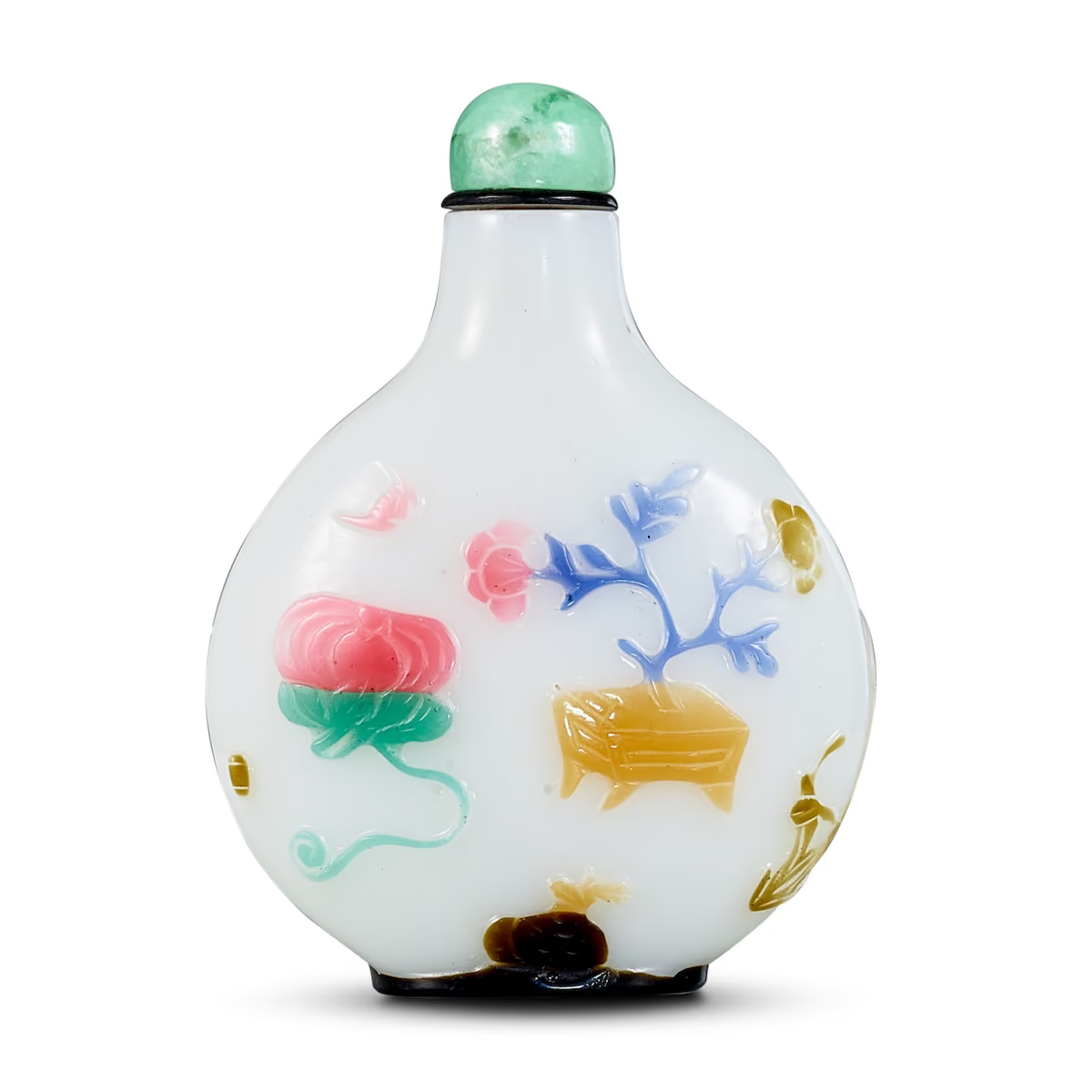
Yixing stoneware is a high-fired, unglazed stoneware made from purplish or reddish-brown clay, originating from the Yixing kilns. Known for its fine texture, it allows for crisp molding and often features decorative techniques such as impressed seals, polychrome enameling, and slip decoration, including the use of lighter-colored slips on darker bodies. Yixing snuff bottles are relatively scarce, and their historical context and dating can present challenges.
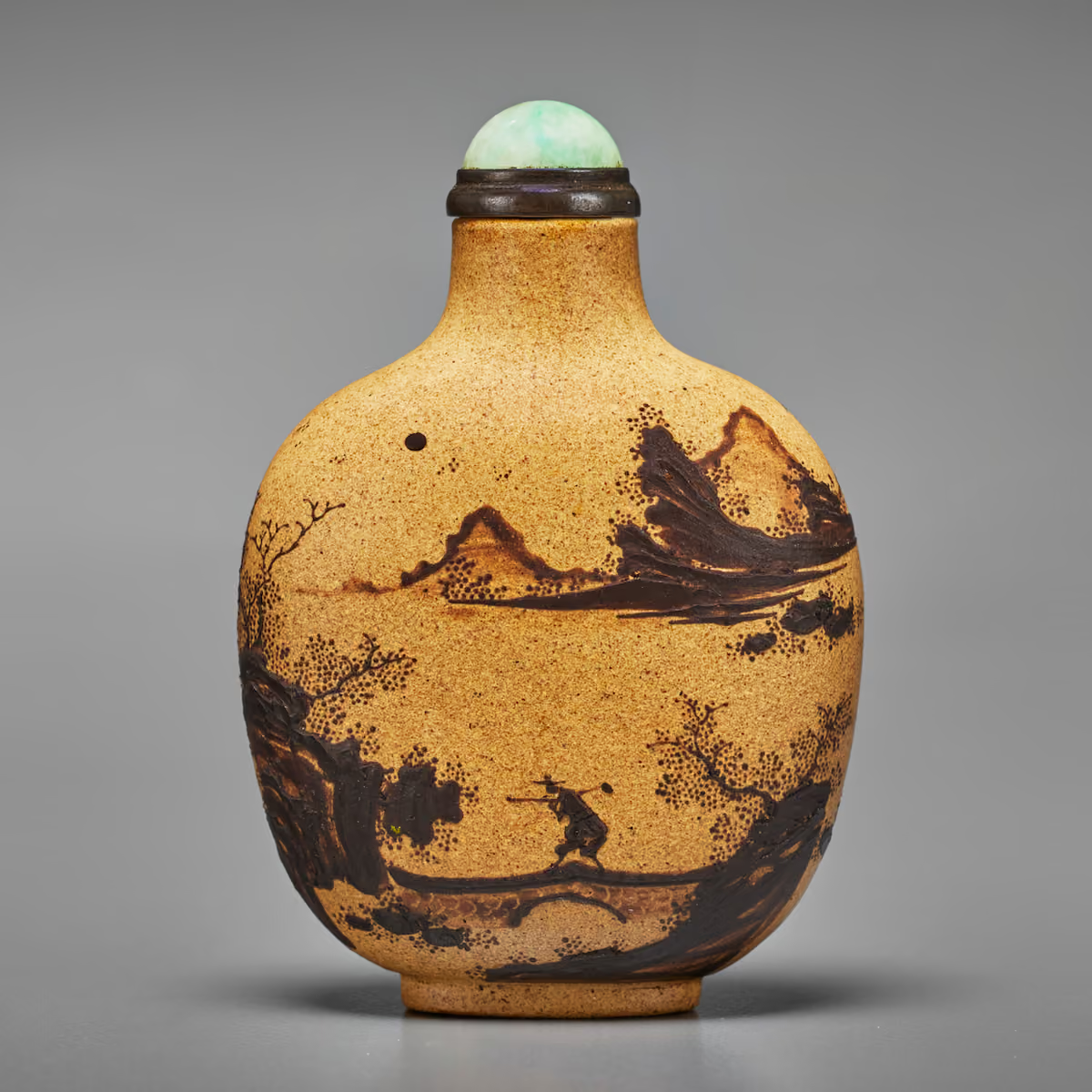
Zisha refers to the unique unglazed stoneware from the Yixing kilns, renowned for its use in teapots and occasionally in snuff bottles. This pottery is characterized by its fine, dense body that allows for crisp molding and applied decoration, developing a soft sheen with handling. Beyond its physical properties, Zisha holds cultural significance, enhancing the tea-drinking experience with its tactile quality and is celebrated in the China Snuff Bottle & Zisha Teapot Museum. Unlike porcelain, Zisha is classified as pottery, noted for its elasticity and resilience, enabling the creation of both large and small vessels.
Zitan is a dense, dark tropical hardwood highly valued for its fine grain and black luster, often associated with scholarly and imperial objects. It is prized for crafting items such as scroll weights, arm rests, and desk chairs, as well as trays and boxes for storing snuff bottles. The wood's cultural significance and historical appreciation among Chinese scholars and collectors enhance its value. The Journal does not specifically mention the difficulty of hollowing zitan for snuff bottles or that bottles are valued for restraint of form rather than elaborate carving.
The twelve zodiac animals, associated with the Chinese cyclical calendar, include the rat, ox, tiger, rabbit, dragon, serpent, horse, ram, monkey, rooster, dog, and pig. On snuff bottles, these animals may appear individually or as a complete set, often depicted in non-traditional orders to fit design needs. Beyond marking years, they can also represent an individual's personal zodiac, encompassing animals for the year, month, day, and hour of birth. Zodiac animals are rarely found on older bottles unless linked to a rebus or story.
The International Chinese Snuff Bottle Society
2 Hamill Road, Suite 353
Baltimore, MD 21210 USA
410-467-9400